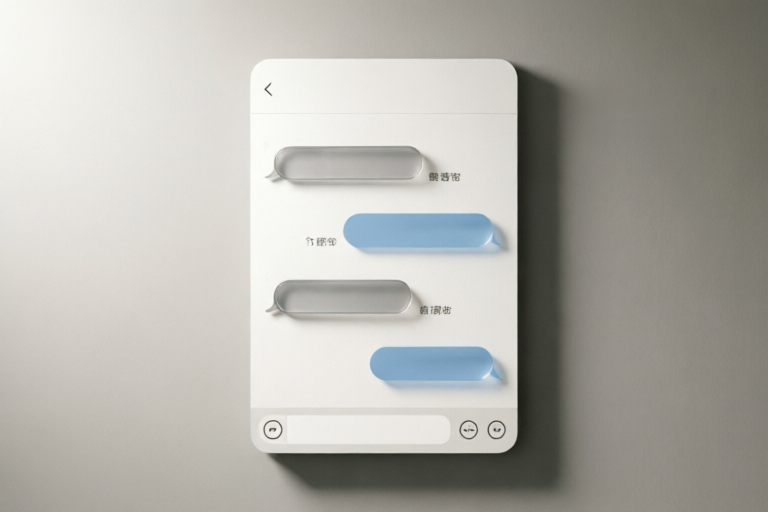
How to Reply Coldly to Unwanted Messages
Master the Art of Polite Rejection in Digital Communication
Introduction: Understanding the Need for a Cold Response
In today's digital age, it's not uncommon to receive unwanted messages. Whether it's unsolicited business proposals, flirtatious advances, or even harassment, learning how to handle these situations with a cold response can be crucial for maintaining your peace of mind and personal boundaries.
Identifying Unwanted Messages and Their Sources
Unwanted messages can come from various sources, including spam emails, social media interactions, and even people you know personally. These messages often include unsolicited business proposals, sales pitches, or attempts at romantic engagement that you're not interested in.
The Importance of Setting Boundaries in Digital Communication
Setting clear boundaries is essential for protecting your time, energy, and mental well-being. A cold response helps you assert your limits without engaging in lengthy or emotional exchanges.
Basic Principles of a Cold Reply
Keeping Responses Short and to the Point
Aim for brevity when responding to unwanted messages. Short, concise replies are less likely to invite further interaction. For instance, simply stating "Thank you, but I'm not interested" can effectively communicate your stance.
Avoiding Emotional Language and Unnecessary Explanations
Stay calm and avoid emotional outbursts. There's no need to provide lengthy explanations or justifications for your decision. A cold response should be clear and to the point.
Maintaining a Polite but Distant Tone
Even when rejecting someone's message, it's important to remain polite. Use respectful language to ensure that your response is professional and courteous, even if the interaction is brief.
Common Scenarios and Appropriate Responses
Unsolicited Business Proposals or Sales Pitches
If you receive an unsolicited business proposal or sales pitch, a simple "Thank you for reaching out, but I'm not interested at this time" can suffice. You might also consider adding, "Please remove me from your mailing list."
Unwanted Romantic Advances or Flirtations
For romantic advances or flirtations, a gentle but firm response like "I appreciate your interest, but I'm not looking for anything more right now" can help maintain your boundaries without causing offense.
Harassment or Aggressive Messaging
In cases of harassment or aggressive messaging, it's best to block the sender and report the behavior to the platform administrators. If necessary, you may want to escalate the issue to law enforcement.
Crafting Effective Cold Responses
Using Pre-Written Templates for Quick Replies
Having a few pre-written templates can save time and ensure consistency in your responses. For example:
- "Thank you for your message, but I'm not interested at this time."
- "I appreciate your offer, but it's not something I'm pursuing."
- "Please remove me from your mailing list."
Incorporating Neutral Phrases That Convey Finality
Use phrases that clearly indicate your decision is final. Examples include:
- "I'm not interested, thank you."
- "This isn't something I'm considering."
Employing Polite Yet Firm Body Language (If Applicable)
If you're responding in person or through video calls, maintaining a polite but firm demeanor can reinforce your message. Keep your body language open but unwelcoming, and avoid prolonged eye contact or overly friendly gestures.
Additional Strategies for Managing Unwanted Messages
Utilizing Block or Mute Features on Platforms
Most digital platforms offer options to block or mute users who send unwanted messages. Utilizing these features can prevent further contact and protect your privacy.
Setting Up Auto-Reply Messages for Frequent Offenders
If you frequently receive messages from the same source, setting up an auto-reply can save you time and effort. Many email services and messaging apps allow you to create automatic responses that inform the sender you're not interested.
Educating Others About Personal Boundaries Through Example
By consistently setting and enforcing your boundaries, you can educate others about the importance of respecting personal space. Over time, this can lead to fewer unwanted messages and healthier digital interactions.
Conclusion: Balancing Professionalism with Personal Boundaries
Reflecting on the Impact of Cold Responses on Relationships
While cold responses are necessary for protecting your boundaries, it's important to reflect on how they might affect your relationships. In some cases, a more personalized approach might be beneficial, especially with acquaintances or colleagues.
Encouraging Readers to Practice Self-Care in Digital Interactions
Managing unwanted messages can be stressful, so it's crucial to practice self-care. Take breaks from digital communication when needed, and prioritize your mental health.
Offering Final Tips for Maintaining a Healthy Online Presence
To maintain a healthy online presence, regularly review your privacy settings, limit the amount of personal information you share, and be mindful of the types of interactions you engage in. By doing so, you can reduce the likelihood of receiving unwanted messages and enjoy a more positive digital experience.
Comments

Blocking and muting are my go-to strategies after the cold response.

The key is to balance professionalism with personal boundaries, right?

Setting up an auto-reply for frequent offenders is a game-changer.

I'm using this next time someone tries to flirt with me over text.

Using a polite but firm tone really helped. People got the message without feeling attacked.
I suggest adding 'No thanks, I'm not interested' to make it even clearer.

What do I reply when someone keeps sending me unsolicited business proposals?

Tried this and it worked! The person stopped messaging me after I kept it short and to the point.