Friends & Social Replies
What to do when a best friend stops texting back
Silence is Information; Maintain Your Peace
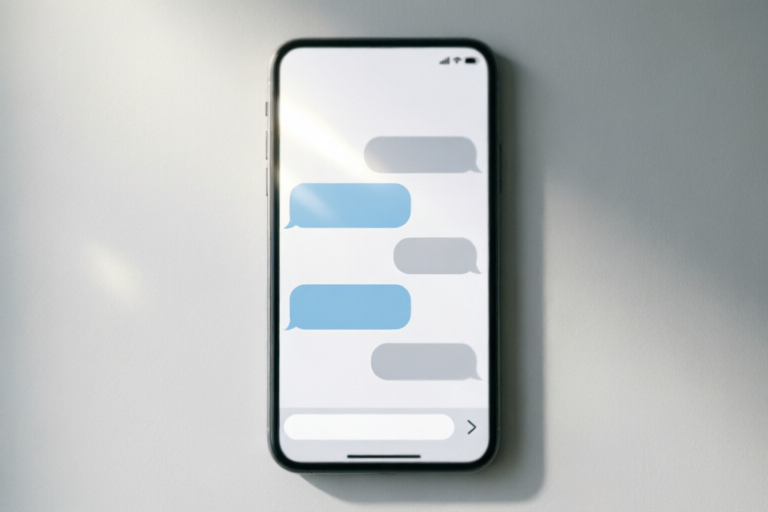
It starts with a notification that never comes. You glance at your phone, waiting for the familiar glow of a name that used to signify connection and joy, only to be met with silence. Perhaps it was months ago, or maybe it happened overnight. Your best friend, someone who knew your deepest secrets and celebrated every milestone with you, has simply stopped replying. They read your messages but don’t respond. Or worse, they don’t even read them anymore. In our hyper-connected world, digital silence can feel louder than shouting matches. It triggers a unique form of distress because the ambiguity leaves you trapped in a cycle of questioning your worth and the validity of the bond.
When a best friend stops texting back, the immediate instinct is often to chase the explanation. You might find yourself crafting perfect replies, overanalyzing your last interaction, or reaching out repeatedly to prove you still care. However, this approach often leads to further disconnection and emotional exhaustion. Navigating this situation requires a balance of empathy, introspection, and self-respect. Whether this shift signals a temporary pause due to overwhelming circumstances or a permanent drift away from the relationship, how you respond defines your emotional well-being moving forward. This guide explores five critical steps to help you process the situation rationally, protect your heart, and reclaim your peace of mind.
## Understand Your Initial Emotional Response
The moment you notice the lack of response from a person you consider family outside of blood, a storm brews within you. This reaction is not merely impatience; it is a genuine physiological and psychological distress response rooted in attachment theory. Humans are social creatures wired for connection, and the sudden withdrawal of a primary attachment figure mimics the sensation of loss.
### Acknowledge the Spectrum of Feelings
Before attempting to fix the problem or reach out, you must first sit with your emotions without judgment. What you are likely experiencing includes:
* **Confusion:** “Did I say something wrong?” “Is there a technical glitch?” The absence of information creates a vacuum that the brain tries to fill with speculation.
* **Rejection:** Even if logically you know they haven’t rejected you explicitly, the behavior mimics rejection. It impacts your sense of belonging and safety within the friendship.
* **Grief:** The sudden silence forces you to mourn the potential loss of the friendship before it has formally ended. You might feel sadness, emptiness, or even anger toward the friend for treating you this way.
* **Anxiety:** Your pulse may race when you check your phone. Sleep might become difficult as you wait for a ping that doesn’t come.
Acknowledging these feelings is not wallowing; it is validation. By admitting, “I am hurt because I valued this connection,” you stop fighting the reality of your experience. Often, we compound this pain by spiraling into negative self-talk, assuming the worst-case scenario immediately. You might tell yourself, “I’m unlovable,” or “Everyone eventually leaves.” These are catastrophic thoughts fueled by fear rather than fact.
### Pause Before Reacting
In the initial hours or days following the disappearance of the texts, avoid making decisions based solely on adrenaline. The urge to double or triple text is strong. It screams, “Fix it!” Yet, hitting the “send” button frantically rarely yields positive results. It can project desperation, which might inadvertently push a vulnerable friend further away if they are avoiding contact due to internal struggles.
Instead, engage in a grounding exercise. Write down your immediate thoughts in a private journal. Pour out every frustration, every memory of why they matter, and every accusation you wish to make. Once the ink hits the paper (or the pixels hit the screen), put the device away. Give your nervous system time to regulate. Remind yourself that their silence does not necessarily define your value as a human being or a friend. This period of reflection transforms your reaction from a panicked impulse into a thoughtful response, setting the stage for the next steps.
## Analyze Potential External Factors
Once your immediate emotional turbulence settles, it is crucial to switch modes from “personal victim” to “detective.” While it feels personal, human relationships are influenced by a vast array of variables that often have nothing to do with the other person’s regard for you. Before concluding that the friendship is over or that you did something unforgivable, cast a wide net of possibility.
### The Pressure of Modern Life
We live in an era of unprecedented distraction and obligation. Between demanding careers, financial instability, housing costs, and family responsibilities, many adults are operating on a constant deficit of energy. Social interaction, even with close friends, requires a level of cognitive load. For some, reading a text means they have to formulate a coherent, caring response, think of appropriate content, and maintain the momentum of the conversation. If they are burnt out, social obligations can feel like chores rather than joys.
You might interpret the lack of texts as indifference, but for your friend, it might be a survival mechanism. They may be working excessive overtime, dealing with debt, or navigating health insurance nightmares. In these states, the phone becomes a source of demand rather than relief. They aren’t choosing to ignore you specifically; they are ignoring *everything*, including themselves.
### Mental Health Struggles
Depression and anxiety are significant factors in communication breakdown. Depression can strip away the motivation to initiate contact. It makes the concept of answering a message feel insurmountable. Someone experiencing depressive episodes often isolates intentionally because they believe they are a burden to others. They might see you as a light that would highlight their darkness, so they step away to protect you from their gloom.
Similarly, severe social anxiety can manifest as avoidance. A person who once loved chatting may suddenly develop a crippling fear of saying the wrong thing, leading to procrastination that turns into avoidance. They might have meant to reply yesterday, then today, then next week, until the gap becomes so wide they feel too embarrassed to bridge it.
### Family Emergencies or Crises
There are also scenarios outside of their control. Family members getting sick, divorce proceedings, legal troubles, or sudden losses can consume all available bandwidth. In these situations, people enter a “hiding” mode. They retreat to process trauma or navigate complex logistics. During these times, basic functioning is prioritized over social maintenance. If your friend’s phone goes dark, it is entirely possible they are dealing with a crisis they cannot share yet, fearing it would invite unwanted questions or pity.
### Different Attachment Styles
Finally, consider the differences in attachment styles. Some individuals operate with an "avoidant" style. When things get too deep or intense, or when they feel overwhelmed by another’s needs (even a friend’s), they instinctively pull back to regain autonomy. This isn’t always malicious; it’s a coping mechanism. Recognizing that their withdrawal is a pattern related to their own wiring, rather than a reflection of your inadequacy, can reduce the sting of rejection significantly.
By systematically reviewing these possibilities, you create a buffer zone in your mind. You give them the benefit of the doubt without dismissing your own concerns. This balanced view prevents you from escalating the situation prematurely while keeping your options open should the reason indeed be interpersonal conflict.
## Send a Single, Low-Pressure Follow-Up
If you have allowed sufficient time to pass (usually anywhere from a few days to a couple of weeks, depending on your usual dynamic) and the silence persists, taking action is preferable to indefinite waiting. However, the manner of this action is critical. You want to extend a hand, not grab an ankle. The goal is to express concern without placing a burden on them to perform emotionally right now.
### Crafting the Right Message
Your message should serve two purposes: to re-establish contact and to signal understanding. It should be casual, non-demanding, and free of accusation. Avoid phrases like “Why didn’t you reply?”, “I feel ignored,” or “Are you mad at me?” These sentences put the recipient on the defensive immediately.
**Option 1: The Gentle Nudge**
“Hey! Just thinking about [shared memory/hobby] and wanted to say hi. Hope you’re doing okay. No rush to reply, just wanted to drop some sunshine your way.”
**Option 2: The Supportive Check-In**
“Hi [Name], noticed you’ve been quiet lately and I just wanted to make sure everything is alright. I’m here if you need anything, whether it’s venting or hanging out silently. Sending love.”
**Option 3: The Shared Context**
“Saw [something relevant to their interest] today and thought of you. Hope life isn’t too crazy right now. Catch up whenever you’re ready!”
### Timing and Platform Matters
Choose a channel where you know they feel comfortable. If you usually text, stick to text. Do not switch to a video call request immediately, as that demands immediate attention and presence, which can be overwhelming. Also, time your message appropriately. Sending a late-night text after 24 hours of silence can seem like a plea for attention. Send it in the morning or early evening when energy levels are generally higher.
### The Rule of One
This is the golden rule of the situation: **Send one message and stop.** Do not send a follow-up if they don’t reply to this one. Do not call their phone. Do not DM them on Instagram. Every additional attempt shifts the dynamic from “caring” to “pushing.” By sending just one low-pressure note, you demonstrate maturity and respect. You show that you care enough to ask but value them enough to allow them space if they don’t have the capacity to respond.
If they respond positively, great. The connection is renewed, perhaps with a conversation about how they’ve been holding back. If they respond with “Thanks, just really swamped,” you now have a confirmed reason and can adjust your expectations accordingly. But if there is no response to this compassionate outreach, the ball is firmly in their court. You have done everything socially and morally expected of a good friend.
## Accept the Outcome and Respect Boundaries
The hardest part of this journey is not the silence, but what you decide to do after the silence remains unbroken. After you have sent your single, caring follow-up, the outcome is determined. If there is no reply, or if the reply is cold and distant despite your warmth, you must make the difficult decision to accept the reality of the boundary that has been set.
### Silence as Communication
Many people struggle to articulate, “This friendship has ended.” Consequently, they use silence. It is a passive-aggressive way of ending things without taking responsibility. While painful, it is a form of communication in itself. It communicates that the person currently lacks the resources, emotional energy, or desire to maintain the relationship in its previous state. Accepting this does not mean you accept being mistreated; it means you acknowledge the current status of the relationship.
Trying to force communication from someone who wants to disconnect is draining. It is akin to trying to wake someone up who has chosen to sleep. Pushing harder doesn’t wake them; it exhausts you. Recognizing this allows you to lower the stakes. You aren’t failing to save the friendship; you are witnessing the natural evolution or dissolution of a relationship.
### Respecting Their Autonomy
Respecting boundaries means honoring their right to withdraw, even if you disagree with it. By stepping back gracefully, you preserve your dignity and leave the door open for the future without resentment. If they reach out months later, you can choose how to respond with your head held high, knowing you didn’t chase unnecessarily. Conversely, if they never return, you know you left it on a respectful note, rather than burning bridges with aggressive pleas.
### Dealing with Uncertainty Cycles
Acceptance is a process, not a switch. You may find yourself going back to Step 1 repeatedly. That is normal. Grief cycles in relationships are messy. Some days you will feel fine, and other days, staring at the unread icon will bring tears. Be gentle with yourself. Allow yourself periods of hope, but don’t build your schedule around their availability. Create a timeline for yourself. Give it a month. If nothing changes after that grace period, fully commit to the conclusion that the friendship has paused indefinitely.
This step also involves forgiving yourself for the ambiguity. There will be days you wonder, “Could I have said something better?” Stop the inquiry. You acted with kindness in your last contact. Anything beyond that belongs to their responsibility. They hold the pen that writes the response; you cannot sign that page for them.
## Invest Energy in Your Own Well-being
The void left by a disappearing friend is real. It creates a hole in your daily routine and emotional landscape. You cannot simply fill this void by finding a replacement instantly, but you can rebuild your support structure to ensure you are not dependent on one person for validation or happiness. Turning inward becomes the most powerful tool you possess.
### Focus on Self-Care Routines
Invest time in activities that nurture your own mental health. Exercise, meditation, reading, or creative hobbies release dopamine and serotonin, counteracting the cortisol spike caused by the stress of the friendship silence. Establish routines that ground you in the present moment rather than the past interaction. If you spent hours texting them every day, fill that time with something productive or restorative. Go to the gym, learn a language, or cook a complex meal. Show yourself that you are capable of fulfilling your own needs.
### Diversify Social Connections
Relying heavily on one best friend can magnify the pain when that friend withdraws. While this doesn’t negate the importance of that specific friendship, it highlights the danger of having all your eggs in one basket. Start nurturing other relationships. Reach out to acquaintances you haven’t spoken to in a while. Join communities with shared interests, whether it’s running clubs, book clubs, or volunteering groups. Engaging with a wider network reminds you that connection is abundant and you do not have to wait for one person to feel validated.
This also teaches you resilience. You realize that while one bond fading is sad, your social ecosystem remains vibrant. It builds confidence in your ability to attract and maintain connections without clinging to a single anchor.
### Rebuild Confidence Independent of Feedback
Often, the pain of being ghosted stems from a loss of identity “I am the person they texted.” You must reclaim your identity separate from their attention. Reflect on your strengths, values, and contributions to the world. Remind yourself that your worth is intrinsic, not transactional. You were valuable before they messaged back, and you remain valuable regardless of their reply.
If you find yourself obsessively checking your phone or analyzing your personality traits for faults, consider speaking with a therapist. Professional guidance can help you unpack why this silence affects you so deeply and help you build stronger boundaries for future interactions. Therapy can be instrumental in breaking patterns of anxious attachment or people-pleasing that make you feel responsible for others’ responses.
### Prepare for Future Interactions
If the friend eventually returns, you will need boundaries for the new phase of the friendship. You can no longer tolerate being treated as an option. Have a plan in place. If they say, “Sorry, I was busy,” you can respond, “That’s understood, but please try to keep better communication habits going forward.” You can negotiate a pace that works for both of you. If the distance is consistent, you might decide to downgrade the friendship to a casual acquaintance, protecting your energy for those who reciprocate.
## Conclusion
Navigating the silence of a best friend is one of the most disorienting experiences in modern dating and friendship. It challenges us to balance compassion for others with protection of ourselves. By understanding your emotional response, analyzing external factors, sending a single supportive check-in, accepting the outcome, and investing in your well-being, you transform a situation of uncertainty into an opportunity for growth.
Remember, true friendship should not be a guessing game. A healthy connection thrives on mutual effort and communication. If that reciprocity vanishes, it is not a failure on your part to recognize the distance and walk away gracefully. Prioritize your peace. Your heart deserves to be with people who eagerly choose to stay, not just when convenient, but consistently. By letting go of the need for a closed loop, you make room for new, clearer, and more supportive relationships that align with the worth you truly deserve. Stay strong, trust your instincts, and move forward with the knowledge that your silence is respected, and your voice is valuable.
Take a deep breath. Close the app. Turn off the notifications for a while. The world continues spinning, and you have the power to write the next chapter of your story, with or without their participation.
Comments

lonely_boi
needed this reminder rn honestly 💔
👍 6👎 0

TextFail2023
100% agree. i used to send paragraphs when they stopped replying. huge oof lmao
👍 29👎 0

MindfulMike
fr step 5 is crucial. dont let their ghosting destroy ur self worth move on ngl
👍 19👎 0

Alex_Writes
this hurts tbh me and my bestie kinda drifted apart bc we were both waiting for the other to reach out fr
👍 20👎 0

Jay_Doe
tbh sometimes a simple 'u good?' works better than stressing over the perfect tone
👍 14👎 0
confused_cat
but what if they NEVER reply tho? how do you know when to stop waiting for an answer?
👍 10👎 0
SarahM_99
literally just sent a check-in like this & they replied within an hour. glad i didnt send 10 texts trying to fix it lol
👍 22👎 0