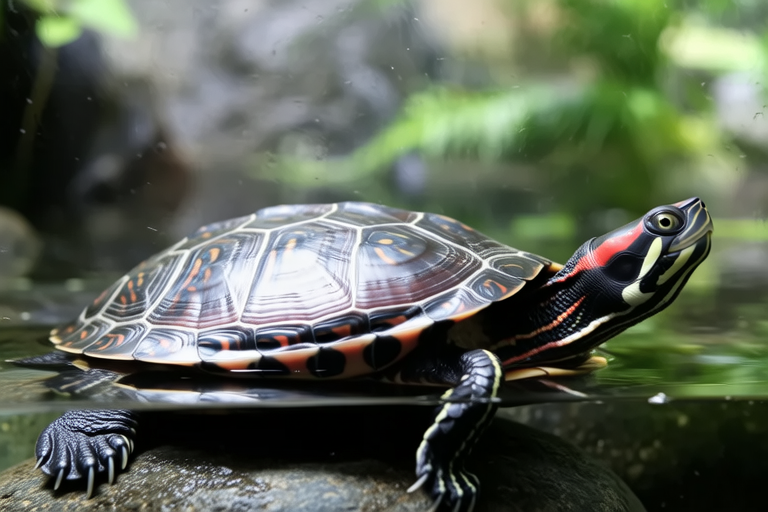
Top 10 Care Tips for Thriving Red-Eared Sliders at Home
Red-eared sliders are one of the most popular pet turtles in the world, known for their hardiness and ease of care. However, to ensure they thrive, it’s crucial to provide them with the right environment and care. This comprehensive guide covers everything from setting up their habitat to maintaining their health and preventing common issues.
1. Proper Housing
The first step in caring for your red-eared slider is providing an appropriate habitat. These turtles need plenty of space to swim and bask, so the enclosure should be large enough to accommodate both a water area and a dry land area. A general rule of thumb is that for every inch of shell length, the tank should be 10 gallons of water. For example, a 6-inch turtle would require a 60-gallon tank.
Ensure that the tank has a secure lid or cover to prevent the turtle from escaping. The water area should be deep enough for the turtle to submerge completely, while the dry land area can be created using rocks, ramps, or a floating platform. It’s important to note that red-eared sliders are excellent swimmers but also need access to a dry area to rest and bask.
2. Water Quality Maintenance
Water quality is critical for the health of your red-eared slider. Poor water conditions can lead to infections and other health problems. To maintain clean water, you should perform regular water changes. Aim to change 10-20% of the water weekly and do a full water change every month. Additionally, invest in a good quality filter to help keep the water clean between changes.
Test the water regularly for pH levels, ammonia, nitrite, and nitrate. The pH level should be around 7.0 to 8.0, and ammonia and nitrite levels should be undetectable. Nitrate levels should be kept below 40 ppm. If you notice any signs of poor water quality, such as cloudiness, foul odors, or algae growth, increase the frequency of water changes.
3. Temperature Control
Temperature regulation is essential for the health and well-being of red-eared sliders. They are ectothermic, meaning they rely on external sources of heat to regulate their body temperature. In their natural habitat, they bask in the sun to warm up and retreat into the water to cool down. At home, you can replicate this by providing a basking area and ensuring the water temperature remains within an optimal range.
The basking area should have a temperature gradient, with one side warmer than the other. Use a heat lamp or ceramic heater to achieve a basking spot temperature of 85-90°F (29-32°C). The cooler side should be around 75-85°F (24-29°C). The water temperature should be maintained between 75-80°F (24-27°C) using a submersible aquarium heater.
4. Diet Recommendations
A balanced diet is vital for the health of your red-eared slider. Their diet should consist of a variety of foods to ensure they receive all the necessary nutrients. Offer a combination of commercial turtle pellets, fresh vegetables, and occasional protein sources like earthworms, crickets, or cooked chicken. Vegetables such as leafy greens, carrots, and squash should make up about 60-70% of their diet, while protein sources should account for 20-30%. Feed your turtle every other day, and remove any uneaten food to prevent contamination of the water.
It’s important to avoid feeding your turtle iceberg lettuce, as it has little nutritional value and can cause digestive issues. Also, refrain from feeding them processed human foods, as they may contain harmful additives or be too high in fat.
5. Basking Area Setup
The basking area is where your red-eared slider will spend a significant amount of time drying off and regulating its body temperature. It should be easily accessible from the water and provide a flat surface for the turtle to comfortably rest on. Use a heat lamp or ceramic heater to create a warm basking spot, and position it so that the temperature gradient is achieved.
In addition to the heat source, consider adding UVB lighting to the basking area. UVB light is essential for calcium absorption and bone health. Choose a bulb specifically designed for reptiles and follow the manufacturer’s guidelines for placement and duration. Most UVB bulbs need to be replaced every six months to ensure they are still effective.
6. Health Monitoring
Regular health checks are crucial for identifying potential issues early and ensuring your red-eared slider stays healthy. Observe your turtle daily for any changes in behavior, appetite, or physical appearance. Look out for signs of illness such as lethargy, loss of appetite, swollen eyes, or respiratory distress. If you notice any concerning symptoms, consult a veterinarian who specializes in reptiles.
It’s also important to monitor your turtle’s weight and shell condition. A healthy red-eared slider will have a smooth, even shell with no cracks or soft spots. Regular weigh-ins can help you track your turtle’s growth and overall health. If you’re unsure how often to weigh your turtle, ask your veterinarian for guidance.
7. Exercise Needs
While red-eared sliders don’t require as much exercise as some other pets, they still benefit from opportunities to move around and explore. In addition to swimming and basking, you can encourage exercise by providing hiding spots, tunnels, or toys in the water. These items stimulate natural behaviors and promote mental stimulation.
Ensure that the enclosure is large enough to allow for movement and exploration. A spacious habitat will encourage your turtle to swim and climb, which helps maintain muscle tone and cardiovascular health. Avoid overcrowding the enclosure with too many decorations, as this can limit the turtle’s ability to move freely.
8. Cleaning Routines
Maintaining a clean habitat is essential for the health and happiness of your red-eared slider. In addition to regular water changes, you should also clean the basking area, decorations, and filters. Scrub the basking area and decorations with a reptile-safe disinfectant every few weeks to remove algae and buildup.
Check the filter regularly and replace any worn-out parts or media. Follow the manufacturer’s instructions for cleaning and maintaining the filter. If you notice any unusual smells or signs of clogging, clean the filter more frequently. Regular cleaning helps prevent the buildup of harmful bacteria and ensures a healthy living environment for your turtle.
9. Common Health Issues Prevention
To prevent common health issues in red-eared sliders, it’s important to provide proper care and nutrition. Metabolic bone disease (MBD) is a serious condition caused by a lack of calcium or vitamin D3. It can result in weak bones, shell deformities, and other health problems. To prevent MBD, ensure your turtle has access to UVB lighting and a balanced diet rich in calcium.
Respiratory infections are another common issue, often caused by poor water quality or inadequate temperature gradients. Keep the water clean and maintain proper temperatures to reduce the risk of respiratory infections. Shell rot, a bacterial infection that affects the shell, can occur if the turtle is kept in dirty or poorly maintained water. Regular cleaning and water changes help prevent shell rot.
10. Tips for Handling These Turtles Safely
Handling your red-eared slider safely is important for both the turtle’s health and your own. Always wash your hands before and after handling your turtle to prevent the spread of germs. Avoid handling your turtle excessively, as it can cause stress and disrupt their natural behaviors.
When picking up your turtle, support its body and legs to prevent injury. Place one hand under the front half of the turtle and the other hand under the back half. Be gentle and avoid squeezing or pinching. Never lift your turtle by its tail, as this can cause serious injury.
Additionally, be aware that red-eared sliders can carry Salmonella bacteria, which can be transmitted to humans. Children under five years old, pregnant women, and individuals with weakened immune systems should take extra precautions when handling turtles or cleaning their enclosures.
In conclusion, providing proper care for your red-eared slider involves creating a suitable habitat, maintaining water quality, controlling temperatures, offering a balanced diet, setting up a basking area, monitoring health, encouraging exercise, establishing cleaning routines, preventing common health issues, and handling your turtle safely. By following these top 10 care tips, you can ensure your red-eared slider leads a happy, healthy life.
