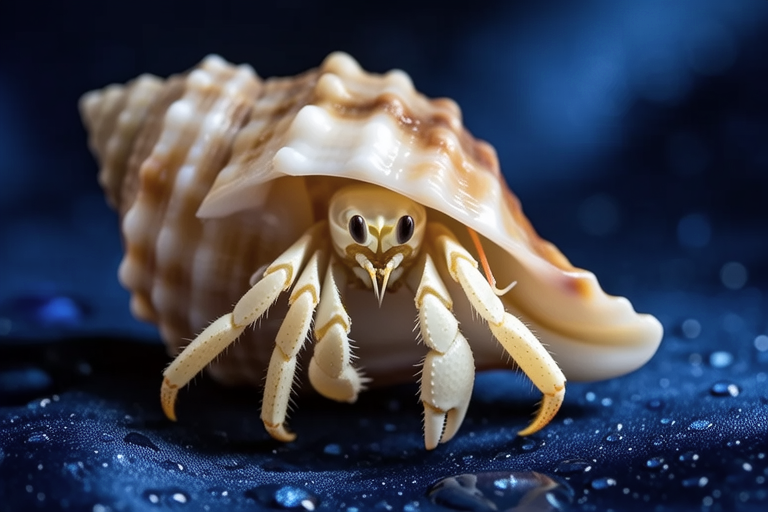
Tiny but Mighty: Discovering the Life of Pea Crabs
In the vast ocean, where the mightiest creatures reign, there exists a world of tiny beings that play crucial roles in maintaining the delicate balance of marine ecosystems. Among these microscopic marvels are the pea crabs (Pinnotheridae), a family of small crustaceans named for their resemblance to the humble garden pea. Despite their diminutive size, pea crabs are far from inconsequential; they have fascinating lives, intriguing symbiotic relationships, and significant ecological roles.
The Size and Appearance of Pea Crabs
Pea crabs are indeed minute, typically measuring less than half an inch in length, making them one of the smallest crab species in existence. Their petite stature is often their most striking feature, and it is this very trait that has earned them their common name. Their carapaces, or shells, are usually oval-shaped and covered with fine hairs, which provide camouflage and protection from predators. Depending on the species, their colors range from pale white to deep red, blending seamlessly into the sandy seabeds and rocky crevices they call home.
Habitat and Distribution
Pea crabs are found in diverse marine habitats around the globe, from shallow coastal waters to the depths of the ocean floor. They thrive in environments where their preferred hosts are abundant, such as sea cucumbers, barnacles, and oysters. These tiny crustaceans can be found in both temperate and tropical seas, with species adapted to specific niches within these ecosystems. Some prefer the rocky shores of the Pacific Northwest, while others inhabit the coral reefs of the Caribbean. Their ability to adapt to various conditions is remarkable, considering their small size and limited mobility.
The Lifecycle of Pea Crabs
The lifecycle of pea crabs begins with mating, a process that is both intricate and synchronized with the tides. Male pea crabs release sperm into the water, where it is picked up by females who have just molted and are ready to mate. The fertilized eggs are then carried by the female under her abdomen until they hatch. The larvae, known as zoeae, are planktonic and drift with ocean currents for several weeks before settling onto a suitable host. Once attached, they undergo metamorphosis, transforming into juvenile crabs that will eventually mature into adults.
Diet and Feeding Habits
Pea crabs are opportunistic feeders, primarily consuming detritus, algae, and small organisms that live within or near their host. However, their diet can vary depending on the species and the availability of food sources. Some pea crabs are known to consume mucus secretions from their hosts, while others may feed on parasites or debris caught within the host’s gills. This varied diet allows them to thrive in environments where food resources might otherwise be scarce.
Symbiotic Relationships
One of the most fascinating aspects of pea crab life is their symbiotic relationships with other marine creatures. These relationships are mutually beneficial, providing both the crab and its host with advantages that enhance their survival. One notable example is the relationship between pea crabs and sea cucumbers. Sea cucumbers, known for their tube-like bodies and ability to expel their internal organs when threatened, serve as ideal hosts for pea crabs. In return for a safe place to live and food, pea crabs help keep their hosts clean by eating detritus and parasites. This partnership ensures that both parties remain healthy and free from infection.
Another significant symbiotic relationship involves pea crabs and barnacles. Barnacles, sessile crustaceans that attach themselves to rocks, boats, or other surfaces, provide a stable home for pea crabs. Inside the protective shell of the barnacle, pea crabs find refuge from predators and a steady supply of food. In exchange, pea crabs assist in cleaning the barnacle’s feeding appendages, ensuring efficient filtration of nutrients from the surrounding water. This interaction highlights the intricate web of dependencies that characterize marine ecosystems.
Ecological Role
Beyond their symbiotic partnerships, pea crabs play essential roles in marine ecosystems. By controlling populations of smaller organisms and contributing to nutrient cycling, they help maintain the health of their habitats. Their presence also serves as an indicator of ecosystem health; declines in pea crab populations could signal broader issues affecting marine biodiversity.
Challenges Faced by Pea Crabs
Despite their adaptations, pea crabs face numerous challenges in their environment. Predation is one of the primary threats they encounter, with larger fish and other marine animals preying upon them. Additionally, environmental changes such as pollution, climate change, and habitat destruction pose significant risks to their survival. As human activities continue to impact marine environments, understanding and protecting these tiny yet vital creatures becomes increasingly important.
Conclusion
Tiny but mighty, pea crabs exemplify the resilience and complexity of life in the oceans. Through their unique characteristics, symbiotic relationships, and ecological roles, these small crustaceans demonstrate how even the smallest members of an ecosystem can have profound impacts. By exploring the world of pea crabs, we gain insight into the interconnectedness of marine life and the importance of preserving these delicate balances. Whether you’re a seasoned marine biologist or simply curious about the wonders of the sea, the story of pea crabs offers a captivating glimpse into the hidden lives of our ocean’s smallest inhabitants.
