Hotot Rabbit Care Guide: Tips for New and Experienced Owners
Welcome to your comprehensive guide on caring for Hotot rabbits! Whether you’re a first-time owner or an experienced breeder, this guide will provide you with all the essential information to ensure your Hotot rabbit lives a happy, healthy life. From understanding their unique characteristics to providing proper care, this guide covers everything you need to know.
Introduction to Hotot Rabbits
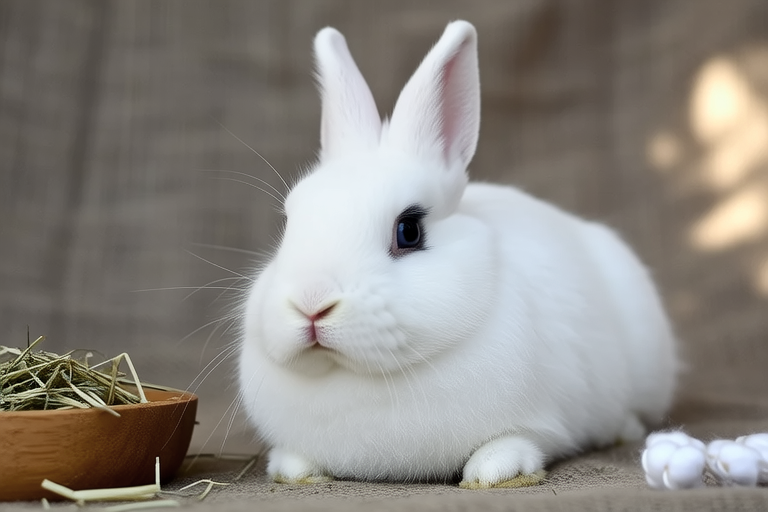
The Hotot is a breed of domestic rabbit known for its striking appearance and friendly nature. Originating from France, these rabbits are named after the village of Hotot-en-Auge. They were developed by Eugène Émile Oudry in the early 20th century. Hotots are recognized for their pure white coat and black or blue eye rings that encircle their eyes, giving them a distinctive look.
Unique Characteristics of Hotot Rabbits
Hotot rabbits have a compact, muscular build with a broad head and large, expressive eyes. Their most recognizable feature is the eye ring, which can vary in color depending on the variety (black or blue). These rabbits are intelligent, curious, and generally friendly towards humans. They are often described as docile and easy to handle, making them popular pets.
Dietary Needs of Hotot Rabbits
Proper nutrition is crucial for the health and well-being of your Hotot rabbit. A balanced diet should consist of hay, fresh vegetables, and a limited amount of pellets. Timothy hay or orchard grass hay is recommended as the primary component of their diet, ensuring they get the necessary fiber.
- Hay: Offer unlimited access to fresh hay, which aids in digestion and keeps teeth worn down.
- Fresh Vegetables: Introduce a variety of leafy greens like romaine lettuce, parsley, and spinach. Limit carrots and other high-sugar vegetables.
- Pellets: Provide a small amount of high-quality rabbit pellets daily. Avoid overfeeding as excess can lead to obesity.
Always introduce new foods gradually to prevent digestive upset. Fresh water should be available at all times.
Housing Requirements
Creating a suitable living environment for your Hotot rabbit is vital for their comfort and safety. The ideal cage should be spacious, allowing the rabbit to move around freely. A minimum size of 4 square feet per rabbit is recommended. Ensure the cage has a solid bottom to prevent injury from wire flooring.
- Cage Size: Provide ample space for movement and stretching.
- Bedding: Use absorbent bedding such as straw or shredded paper to keep the cage clean and comfortable.
- Temperature: Maintain a moderate temperature between 60°F and 70°F to avoid heatstroke or cold stress.
- Shelter: Ensure the cage has a hiding spot or burrow area for security.
Regular cleaning of the cage is essential to prevent odors and infections.
Exercise Essentials
Hotot rabbits are active animals that require regular exercise to maintain good health. Daily playtime outside the cage is recommended. A safe, enclosed area allows them to explore and stretch their legs.
- Play Area: Create a secure play area with tunnels, toys, and platforms for climbing.
- Supervision: Always supervise your rabbit during playtime to prevent accidents.
- Exercise Time: Aim for at least 30 minutes of supervised play each day.
Exercise promotes mental stimulation and helps prevent obesity.
Grooming Tips
Despite their short fur, Hotot rabbits still require regular grooming to keep their coats clean and free of mats. Grooming also provides an opportunity for bonding and checking for any health issues.
- Brushing: Use a soft brush to remove loose hair and prevent matting.
- Bathing: Bathe only when necessary, using a gentle shampoo specifically designed for rabbits.
- Nail Trimming: Trim nails regularly to prevent overgrowth and discomfort.
Pay attention to their ears and eyes, keeping them clean and free of debris.
Health Concerns
Like all animals, Hotot rabbits can be prone to certain health issues. Regular veterinary check-ups and attentive observation are key to maintaining their health.
- Digestive Issues: Monitor for signs of gastrointestinal stasis, such as reduced appetite and lethargy.
- Tooth Problems: Check for overgrown teeth that may require trimming by a professional.
- Skin Conditions: Watch for signs of dermatitis or mites.
- Eye Infections: Keep eyes clear and free of discharge.
Vaccinations are typically not required for pet rabbits, but consult your vet for specific recommendations.
Breeding Information
If you’re interested in breeding Hotot rabbits, it’s important to understand the process and responsibilities involved. Breeding requires careful planning and attention to genetic diversity.
- Selecting Breeders: Choose healthy, well-socialized parents with desirable traits.
- Reproduction: Female rabbits can have up to 8 kits per litter. Gestation lasts approximately 31 days.
- Postpartum Care: Provide a quiet, warm nest box for the mother and kits.
- Weaning: Kits should be weaned at about 6 weeks old.
Responsible breeding involves screening for hereditary conditions and ensuring the welfare of all animals involved.
Behavioral Training
Training your Hotot rabbit can enhance your bond and make interactions more enjoyable. Positive reinforcement techniques, such as treats and praise, work best.
- Litter Box Training: Place a litter box in their cage and reward them for using it.
- Leash Training: Use a harness and leash for safe outdoor excursions.
- Basic Commands: Teach simple commands like ‘come’ and ‘sit’ for better control.
Patience and consistency are key to successful training.
Conclusion
Owning a Hotot rabbit is a rewarding experience filled with companionship and joy. By following the guidelines provided in this care guide, you can ensure your rabbit enjoys a long, healthy life. Remember, every rabbit is unique, so tailor your care approach to suit their individual needs. With love, attention, and proper care, your Hotot rabbit will bring countless moments of happiness into your home.
