The Ultimate Guide to Feeding Your Bearded Dragon for Maximum Health
Proper nutrition is paramount for ensuring the health and longevity of your bearded dragon. Just like humans, these fascinating reptiles require a well-balanced diet rich in essential nutrients to thrive. A poorly nourished bearded dragon can suffer from various health issues, including metabolic bone disease, obesity, and weakened immune systems. This guide aims to provide you with all the information needed to feed your bearded dragon correctly, ensuring it enjoys a long and healthy life.
Essential Nutrients for Bearded Dragons
Bearded dragons need a variety of nutrients to stay healthy. Calcium is crucial for bone development and maintenance, while vitamin D3 aids calcium absorption. Protein supports muscle growth and repair, and vitamins such as A, B, C, and E contribute to overall health. Fatty acids are important for skin health and energy production. Ensuring that your dragon gets these nutrients in the right proportions is key to maintaining its vitality.
Ideal Food Types: Insects, Vegetables, and Fruits
Insects
Bearded dragons love insects, which are an excellent source of protein. Crickets, dubia roaches, mealworms, and superworms are commonly fed. However, it’s vital to gut-load insects before feeding them to your dragon. Gut-loading means providing the insects with nutritious food so they become more nutritious themselves when eaten by your pet. Avoid feeding wild-caught insects as they may carry parasites or harmful substances.
Vegetables
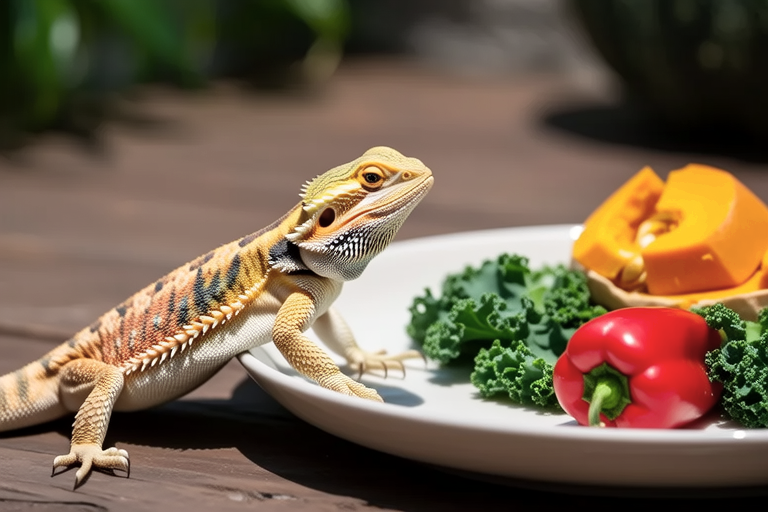
A wide range of vegetables can be offered to your bearded dragon. Dark leafy greens like collard greens, dandelion greens, and mustard greens are highly recommended. Other suitable vegetables include bell peppers, carrots, squash, and zucchini. Remember to offer a variety to prevent any nutritional deficiencies. Always wash and chop vegetables into small pieces to make them easier for your dragon to eat.
Fruits
Fruits should be given sparingly due to their high sugar content. Suitable fruits include berries, apples, and melons. Feed fruit as a treat, not a staple part of the diet. Too much fruit can lead to diarrhea and other digestive issues.
Portion Sizes and Feeding Frequency
Newborn and juvenile bearded dragons need to eat daily, with insects making up the majority of their diet. As they grow, reduce the number of feedings to every other day. Adult dragons should be fed insects two to three times per week and vegetables daily. Portion sizes depend on the size of your dragon; generally, offer as many insects as your dragon can consume in 15 minutes. For vegetables, a small handful per feeding is usually sufficient.
Hydration
Water is vital for your bearded dragon’s health. Although they get most of their water from the foods they eat, offering fresh water daily is still important. You can mist their enclosure or provide a shallow water dish. Ensure the water is clean and changed regularly. Some dragons will drink directly from a dish, while others prefer to lap water droplets from leaves.
Common Feeding Mistakes to Avoid
Overfeeding is a common mistake. It can lead to obesity, which increases the risk of health problems. Another mistake is feeding inappropriate food items, such as spinach (which contains oxalates that can bind calcium), or feeding insects that haven’t been properly gut-loaded. Feeding wild-caught insects also poses risks. Finally, failing to provide a balanced diet can result in nutritional deficiencies.
Tips for Ensuring a Balanced Diet
To maintain a balanced diet, rotate the types of insects and vegetables you feed your dragon. Use a multivitamin supplement designed for reptiles to ensure your dragon gets all necessary nutrients. Dusting insects with calcium powder and providing a UVB light source to help with vitamin D3 synthesis are also crucial steps.
Monitoring Your Dragon’s Health Through Its Diet
Regularly check your bearded dragon’s weight and body condition. A healthy dragon should have firm muscles and clear eyes. Signs of malnutrition or overfeeding may include lethargy, swollen joints, or changes in appetite. If you notice any concerning signs, consult a veterinarian specializing in reptiles. Adjustments to the diet might be necessary based on your dragon’s specific needs.
Conclusion
Feeding your bearded dragon properly is one of the most important aspects of responsible pet ownership. By understanding what constitutes a balanced diet and avoiding common pitfalls, you can ensure your dragon leads a happy and healthy life. Regular monitoring and prompt attention to any signs of dietary imbalance will further enhance your pet’s wellbeing. With this guide in hand, you’re well-equipped to provide the best care possible for your beloved bearded dragon.
