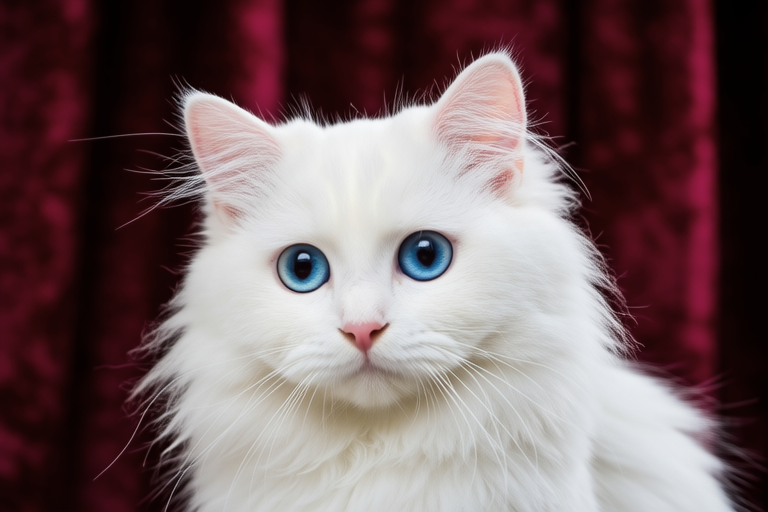
From Royalty to Companions: The Journey of Persian Cats
The Persian cat, one of the oldest and most recognizable breeds, has captivated hearts for centuries. Known for their luxurious long coats, expressive eyes, and gentle dispositions, these felines have a rich history that spans continents and centuries. From their origins in Persia (modern-day Iran) to their current status as beloved family pets, Persian cats have come a long way. This article explores the historical roots, physical attributes, and evolving role of Persian cats in human society, offering valuable insights for both enthusiasts and prospective owners.
Historical Origins and Introduction to Europe
The story of Persian cats begins in ancient Persia, where they were highly valued for their beauty and grace. Historical accounts suggest that these cats were often kept by Persian nobility, who admired their elegance and used them as symbols of wealth and prestige. The exact origins of the breed remain somewhat shrouded in mystery, but it is believed that the first Persian cats were brought to Europe by Italian traders in the 16th century.
Their introduction to Europe marked the beginning of a new chapter in the breed’s history. Initially, Persian cats were considered exotic and rare, reserved for the elite. They quickly became a favorite among European royalty and aristocracy. The breed’s popularity soared during the Victorian era, when keeping pets was a status symbol. Queen Victoria herself was an ardent fan of Persian cats, further cementing their reputation as luxury pets.
The breed’s name, Persian, was adopted when these cats were introduced to England, reflecting their origins. Over time, selective breeding in Europe led to the development of the modern Persian cat, which is distinctively different from its ancestral counterparts.
Physical Characteristics and Temperament
Persian cats are renowned for their striking appearance. They possess a compact, muscular body with a broad chest and a short neck. Their head is round, with large, expressive eyes that are typically blue or copper in color. Their ears are small and set far apart, giving them a sweet, almost doll-like face. Perhaps the most defining feature of Persian cats is their thick, luxurious coat, which can be found in a wide array of colors and patterns.
Beyond their physical beauty, Persian cats are known for their calm and gentle demeanor. They are affectionate, docile, and enjoy spending time with their human companions. These cats are generally content with a quiet, peaceful environment, making them ideal for homes where there is minimal disturbance. While they are not particularly active, they do enjoy lounging around and can be quite playful, especially with interactive toys.
Persian cats are also known for their vocalization. While not as talkative as some other breeds, they do communicate through soft meows and chirps. Their voice is usually low-pitched and melodic, adding to their charm.
Care Requirements
Owning a Persian cat comes with specific care requirements due to their long, dense coats. Regular grooming is essential to maintain their fur and prevent matting. Daily brushing is recommended to keep their coat tangle-free and healthy. Bathing should be done occasionally, depending on the cat’s activity level and hygiene needs. Additionally, trimming their nails and cleaning their ears are part of routine maintenance.
Dietary considerations are also important for Persian cats. A balanced diet rich in protein and essential nutrients is crucial for maintaining their health and energy levels. Owners should consult with veterinarians to determine the appropriate food and portion sizes for their pet. Obesity is a common issue among Persian cats, so monitoring their weight and adjusting their diet accordingly is vital.
Regular veterinary check-ups are necessary to ensure the cat’s overall well-being. Persian cats are prone to certain health issues, such as polycystic kidney disease and respiratory problems, due to their flat faces. Early detection and management of these conditions can significantly improve their quality of life.
Evolution of Status: From Royalty to Beloved Companions
Over the years, the status of Persian cats has evolved dramatically. Once the exclusive pets of the elite, they have become more accessible and are now cherished by people from all walks of life. The rise of social media and the internet has played a significant role in popularizing Persian cats, with countless photos and videos showcasing their beauty and personality.
Today, Persian cats are widely recognized for their ability to bring joy and comfort to families. They have transitioned from being symbols of wealth to beloved companions who provide emotional support and unconditional love. Their gentle nature and affectionate disposition make them ideal pets for individuals and families seeking a peaceful and loving presence at home.
One notable example of a famous Persian cat is Cheshire Cat from Lewis Carroll’s “Alice’s Adventures in Wonderland.” Although fictional, this character embodies the mystique and allure associated with Persian cats. In real life, celebrities like Taylor Swift have also owned Persian cats, further increasing their visibility and appeal.
Tips for Prospective Owners
If you’re considering adopting a Persian cat, there are several factors to keep in mind. First and foremost, be prepared for the commitment involved in caring for their luxurious coat. Regular grooming is a must, and you should be willing to invest time and effort into maintaining their appearance. Additionally, consider the space available in your home. Persian cats thrive in quiet environments and may not be suited for households with high levels of noise and activity.
When choosing a Persian cat, it’s important to select a reputable breeder who prioritizes the health and well-being of their animals. Look for breeders who provide documentation of genetic testing and health clearances. Once you’ve brought your Persian cat home, establish a routine that includes regular grooming, playtime, and social interaction. Creating a comfortable and stimulating environment will help your cat feel secure and happy.
Finally, remember that Persian cats offer a unique and rewarding companionship. Their gentle nature and affectionate behavior make them wonderful pets for those who appreciate a calm and serene atmosphere. With proper care and attention, a Persian cat can become a cherished member of your family, providing years of love and companionship.
Conclusion
The journey of Persian cats from the royal courts of Persia to the cozy living rooms of everyday families is a testament to their enduring appeal. Despite their initial association with luxury and exclusivity, Persian cats have become cherished companions known for their beauty, grace, and gentle nature. By understanding their unique needs and providing the care they require, potential owners can enjoy the rewarding experience of sharing their lives with these magnificent creatures.
