The History, Origins, and Characteristics of Siberian Huskies
Siberian Huskies have a rich history that traces back to the harsh landscapes of Siberia, where they were bred by the Chukchi people for sledding. These dogs were essential for transportation and hunting in the extreme cold. Their journey to the United States began when they were imported by fur traders and later brought to Nome, Alaska, during the Alaskan Gold Rush. The famous serum run of 1925, also known as the Great Race of Mercy, solidified their reputation as hardworking and resilient sled dogs. This event involved a relay of dog teams delivering diphtheria antitoxin across hundreds of miles of treacherous terrain to save lives in a small Alaskan town.
Physical Traits
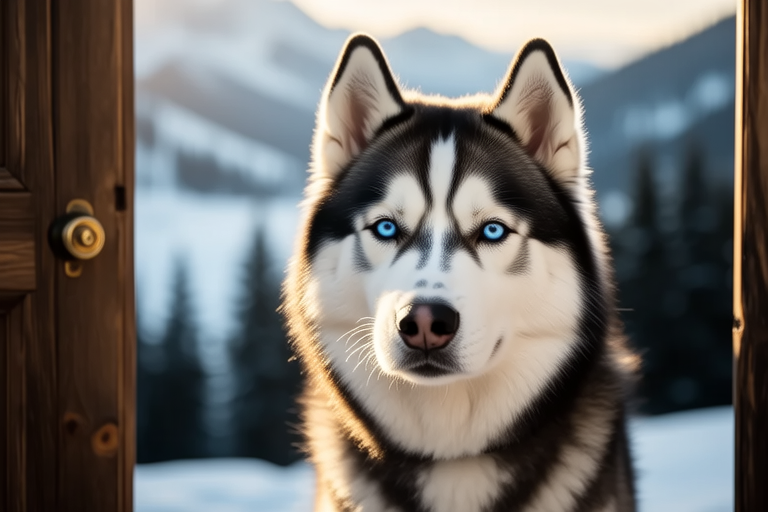
Siberian Huskies are medium-sized dogs with a distinctive appearance. They have a thick double coat that provides excellent insulation against the cold, making them well-suited for snowy climates. Their coat comes in various colors, including black and white, gray and white, red and white, and pure white. The most iconic feature of these dogs is their striking blue eyes, though some may have brown or one blue and one brown eye, known as heterochromia. Siberian Huskies are athletic, with a strong, muscular build that allows them to pull heavy loads over long distances. Their average height ranges from 20 to 23.5 inches at the shoulder, and they typically weigh between 35 to 60 pounds.
Temperament and Training Requirements
Siberian Huskies are known for their friendly and outgoing personalities. They are generally good with children and other pets, but their independent nature can sometimes make training challenging. Consistency and positive reinforcement are key when teaching commands and correcting unwanted behaviors. Early socialization is crucial to ensure that they grow up to be well-adjusted and obedient dogs. Due to their high energy levels, Siberian Huskies require regular mental and physical stimulation to prevent boredom and destructive behaviors. Interactive toys, puzzle feeders, and obedience training sessions can help keep them engaged and happy.
Common Health Issues
Despite their robust appearance, Siberian Huskies are prone to certain health conditions. Hip dysplasia, a condition where the hip joint doesn’t fit properly, can lead to arthritis and pain. Progressive retinal atrophy (PRA), an inherited disease that causes blindness, affects some Huskies. Other common issues include hypothyroidism, which can cause weight gain and lethargy, and seizures. Regular veterinary check-ups, a balanced diet, and proper exercise can help maintain their overall health. It’s important for owners to be aware of these potential problems and take preventive measures.
Social Behavior
Siberian Huskies are pack-oriented animals that thrive in social environments. They enjoy spending time with their human families and other dogs. However, their strong prey drive means they may chase smaller animals, so supervision is necessary around cats or other small pets. In terms of human interaction, they are affectionate and loyal but can be aloof with strangers. They tend to bond closely with their primary caregivers and are often protective of their family members. Socializing them from a young age helps them become comfortable with different people and situations, reducing anxiety and aggression.
Exercise Needs
Given their heritage as working dogs, Siberian Huskies have a high energy level that requires significant physical activity. Daily walks or runs, along with opportunities for play and exploration, are essential to keep them healthy and content. Agility courses, fetch games, and hiking are great ways to provide mental and physical stimulation. Without adequate exercise, they may become restless and develop behavioral issues such as chewing or digging. Owners must be prepared to commit to a rigorous exercise routine to meet their dog’s needs.
Dietary Considerations
A nutritious diet is vital for maintaining the health and vitality of Siberian Huskies. High-quality dog food that meets their specific nutritional needs should be chosen. This includes proteins like chicken, beef, and fish, as well as carbohydrates such as rice and sweet potatoes. Omega-3 fatty acids found in fish oil are beneficial for their skin and coat. Fresh water should always be available, especially after exercise or in hot weather. Avoid feeding them foods that are toxic to dogs, such as chocolate, grapes, and onions. Consulting with a veterinarian about the best diet plan for your individual Husky is advisable.
Unique Challenges and Joys of Owning a Siberian Husky
Owning a Siberian Husky presents both challenges and joys. One of the biggest challenges is managing their high energy and independent spirit. They need patient and dedicated owners who can provide consistent training and ample exercise. Another challenge is dealing with their tendency to wander off if given the chance, due to their strong hunting instincts. On the flip side, the joy of owning a Siberian Husky lies in their loyalty, companionship, and playful nature. They bring endless entertainment with their antics and are always ready for adventure. Tips for potential owners include spaying or neutering to reduce roaming tendencies, ensuring secure fencing, and providing plenty of mental and physical outlets.
Reflections on Why Siberian Huskies Have Captured Many Hearts
In conclusion, Siberian Huskies have captured the hearts of many people worldwide due to their striking appearance, friendly nature, and remarkable endurance. Despite their independent streak, they form strong bonds with their families and are loyal companions. Their legacy as sled dogs during the serum run has made them symbols of courage and resilience. The combination of their beautiful coats, piercing eyes, and spirited personalities makes them irresistible to dog lovers. With proper care, training, and attention, Siberian Huskies can be wonderful additions to any home, bringing joy and excitement to their owners’ lives.
