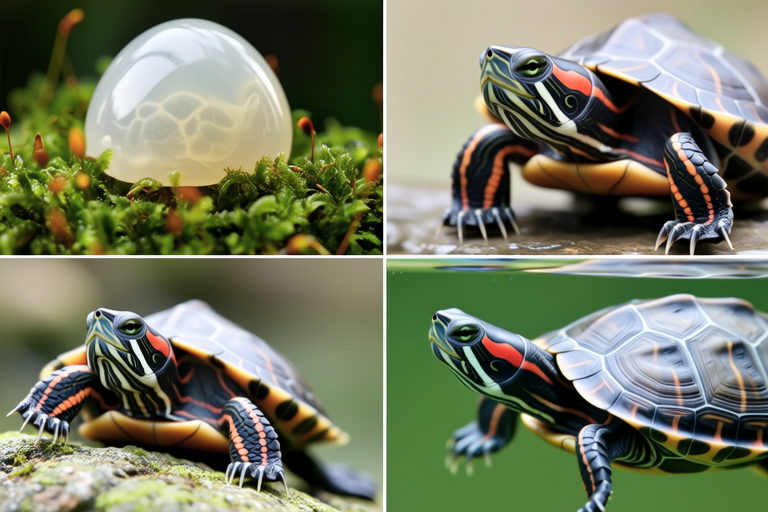
From Egg to Adult: Journey of a Red-Eared Slider Turtle
The red-eared slider turtle (Trachemys scripta elegans) is one of the most popular pet turtles globally, renowned for its vibrant colors and relatively easy care requirements. This article delves into the fascinating life cycle of this reptile, from its intricate mating rituals and egg-laying habits to its adult stage, providing a comprehensive overview of its development and care.
Mating and Egg-Laying: The Beginning of Life
The reproductive cycle of red-eared sliders begins with courtship and mating. These turtles reach sexual maturity between 2 and 5 years of age, depending on their diet and living conditions. Mating can occur year-round but is most frequent during spring and summer. Male red-eared sliders initiate the mating process by pursuing females, often swimming in front of them. The male uses his long claws to stimulate the female’s head and neck, which may lead to copulation.
Once fertilized, the female seeks out suitable nesting sites. Ideal locations include sandy or loamy soil banks near water bodies, ensuring that the eggs remain moist and protected from predators. The female typically lays between 4 to 20 eggs per clutch, though larger females may produce more. Incubation periods range from 60 to 90 days, depending on temperature and humidity levels. Higher temperatures speed up the development process, while lower temperatures slow it down.
Environmental factors play a crucial role in successful hatching. Temperature influences sex determination; warmer nests tend to produce more females, while cooler ones yield more males. Humidity also impacts hatching success, as excessively dry conditions can cause dehydration and death of embryos, whereas overly wet environments may lead to fungal infections. Additionally, protection from predators is vital for egg survival.
Hatchling Stage: A New Beginning
Newly hatched red-eared sliders measure approximately 1 inch in length and weigh around 0.5 ounces. Their carapaces (upper shells) are soft and pliable, making them susceptible to injuries from sharp objects or aggressive siblings. Within days, hatchlings begin feeding on small insects, aquatic plants, and algae.
Dietary needs during this phase are diverse, reflecting the omnivorous nature of these turtles. High-protein foods such as crickets, mealworms, and commercial turtle pellets support rapid growth. As they mature, their diet shifts towards more plant matter, including leafy greens like romaine lettuce and dandelion leaves.
Behaviorally, hatchlings exhibit curiosity and exploration, frequently investigating their surroundings. They are also highly social creatures, often found basking together in groups. However, competition for resources can lead to aggression among siblings. Providing ample space and hiding spots within enclosures helps reduce stress and promotes healthy interactions.
Juvenile Stage: Growth and Development
As juveniles, red-eared sliders continue growing rapidly, reaching lengths of 3 to 5 inches within their first few years. During this period, they develop distinct shell patterns and coloration. Juveniles prefer shallow waters where they can easily access food and bask under sunlight for warmth and vitamin D synthesis.
Developmental milestones include the hardening of their shells, which occurs gradually over several months. This process provides better protection against predators and physical trauma. Juveniles also learn essential behaviors necessary for survival, such as hunting techniques and predator avoidance strategies.
Habitat preferences shift as juveniles grow larger. While hatchlings thrive in small, enclosed spaces, juveniles require more extensive areas with varied depths. Floating platforms or rocks allow them to rest above water, mimicking natural basking spots. Proper filtration systems become increasingly important to maintain water quality, preventing bacterial growth and maintaining optimal pH levels.
Common health issues affecting juveniles include respiratory infections caused by poor water conditions, shell rot resulting from prolonged exposure to damp environments, and metabolic bone disease due to insufficient calcium intake. Regular veterinary check-ups help detect and address these problems early on.
Adulthood: Fully-Grown Characteristics and Longevity
Adult red-eared sliders reach sizes ranging from 8 to 12 inches in length, with some individuals surpassing 14 inches. Males generally attain larger sizes than females, exhibiting longer tails and more prominent claws used during courtship displays. Their skin color becomes darker, contrasting sharply with the bright yellow stripes behind each eye.
Longevity is impressive, with many red-eared sliders living well beyond 20 years in captivity. Some have been documented surviving up to 40 years. Factors contributing to longevity include proper nutrition, regular exercise, and appropriate housing conditions.
Care tips for owners include providing spacious enclosures that accommodate their size and activity level. Water quality remains paramount, requiring frequent cleaning and maintenance of filtration systems. Diet should consist of high-quality commercial turtle pellets supplemented with fresh vegetables and occasional protein sources. Regular exposure to UVB lighting aids in calcium absorption and overall health.
Red-eared sliders are fascinating creatures, offering both educational value and companionship. Understanding their lifecycle from egg to adult ensures responsible ownership and contributes positively to their welfare.
