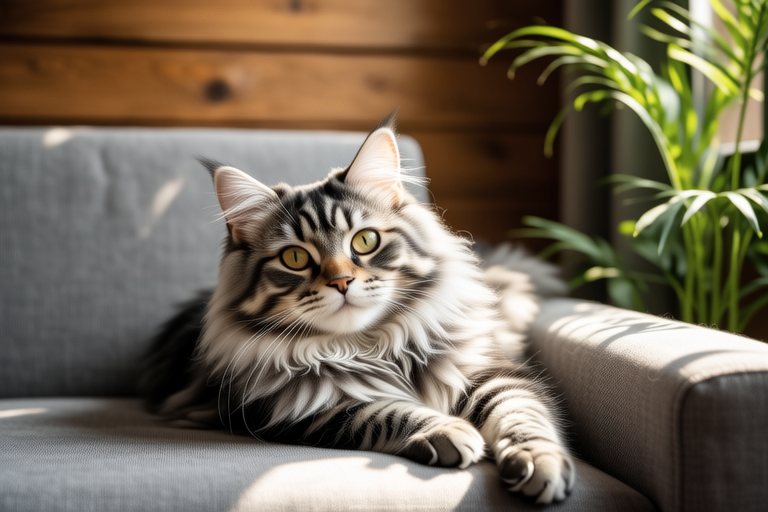
Norwegian Pets: A Guide to Keeping Your Animals Healthy and Happy
Welcome to our comprehensive guide on pet care tailored specifically for the unique conditions of Norway. Whether you’re a first-time pet owner or a seasoned handler, this article will provide you with valuable insights into ensuring your furry friends lead healthy and happy lives amidst the Norwegian climate and environment.
Nutrition for Norwegian Pets
Feeding your pet a balanced diet is crucial for their overall health. In Norway, where winters can be long and cold, it’s important to ensure that your pet receives enough calories to maintain body heat. High-quality pet food brands like Canidae and Wellness offer options rich in protein and fat, which are essential for energy production. Additionally, consider supplementing your pet’s diet with vitamins and minerals during the winter months when natural sunlight is limited.
For dogs, raw meaty bones can be beneficial for dental health but should always be supervised due to the risk of choking or digestive issues. Cats, being obligate carnivores, require taurine-rich diets. Look for cat foods that list taurine as an ingredient or consult your veterinarian about appropriate supplements.
Exercise and Playtime
Physical activity is vital for maintaining good health. During the warmer months, take advantage of the long daylight hours by taking your dog for extended walks or hikes. Norway offers numerous parks and trails perfect for outdoor adventures. However, remember that during the shorter days of autumn and winter, indoor play becomes more critical. Interactive toys, puzzle feeders, and regular play sessions can help keep your pet mentally stimulated.
Indoor cats benefit greatly from vertical spaces like cat trees and window perches, especially in apartments where space might be limited. Encourage climbing and jumping to mimic natural hunting behaviors.
Grooming Practices
Grooming your pet regularly not only keeps them clean but also helps detect any potential health issues early. Norwegian breeds such as the Lundehund and Norwegian Elkhound have thick coats that need regular brushing to prevent matting. Use a slicker brush twice weekly to remove loose hair and distribute skin oils evenly.
Bathing should be kept to a minimum, ideally once every few months unless there’s a medical reason. Over-bathing strips away natural oils, leading to dry skin and irritation. Always use pet-safe shampoos formulated for your animal’s coat type.
Common Health Issues
Cold weather poses several risks for pets, including frostbite and hypothermia. Dogs with thin coats may require protective gear such as sweaters or jackets. Regular check-ups with a veterinarian familiar with Norwegian conditions can help identify signs of arthritis, which often affects older animals in colder climates.
Vaccinations are equally important, particularly against rabies and leptospirosis, both prevalent in Norway. Annual visits to the vet allow for timely updates on necessary shots and screenings for other diseases common in the region.
Indoor vs Outdoor Pets
Living indoors provides shelter from harsh elements, making it easier to control temperature and humidity levels. Indoor pets tend to live longer and healthier lives, provided they receive adequate mental stimulation through toys and interactive games. However, indoor confinement requires extra attention to litter box hygiene for cats and potty training consistency for puppies.
Outdoor pets enjoy freedom but face greater exposure to environmental hazards. Ensure their living area has proper fencing and secure gates to prevent escapes. Providing a warm, insulated house outside can make all the difference during severe weather.
Unique Challenges Faced by Pet Owners in Norway
The long polar nights and short summers present unique challenges. Seasonal Affective Disorder (SAD) affects many humans, but pets too can experience changes in behavior during these periods. Increased affection, gentle exercise, and ensuring they get enough daylight can alleviate symptoms.
Another challenge is finding suitable accommodations when traveling. Many hotels and vacation rentals in Norway welcome pets, but it’s always best to confirm policies ahead of time. Pet-friendly travel accessories like portable kennels and collapsible water bowls can make trips smoother.
Local Resources and Veterinary Recommendations
Several organizations in Norway offer support and resources for pet owners. The Norwegian Kennel Club promotes responsible breeding practices and organizes events for dog lovers. Local animal shelters, such as Oslo Animal Shelter, provide adoption services and spay/neuter programs aimed at reducing stray populations.
Your local veterinarian is another invaluable resource. They can provide personalized advice based on your pet’s breed, age, and specific needs. Regular consultations help establish a baseline for your pet’s health, making it easier to spot deviations quickly.
Conclusion
Raising pets in Norway comes with its own set of joys and challenges. By understanding the nutritional, exercise, grooming, and health needs of your animal companions, you can ensure they thrive in this beautiful yet challenging landscape. Stay informed, seek professional guidance when needed, and most importantly, show your love and care every day. With dedication and effort, you’ll create lasting memories filled with joy and companionship.
