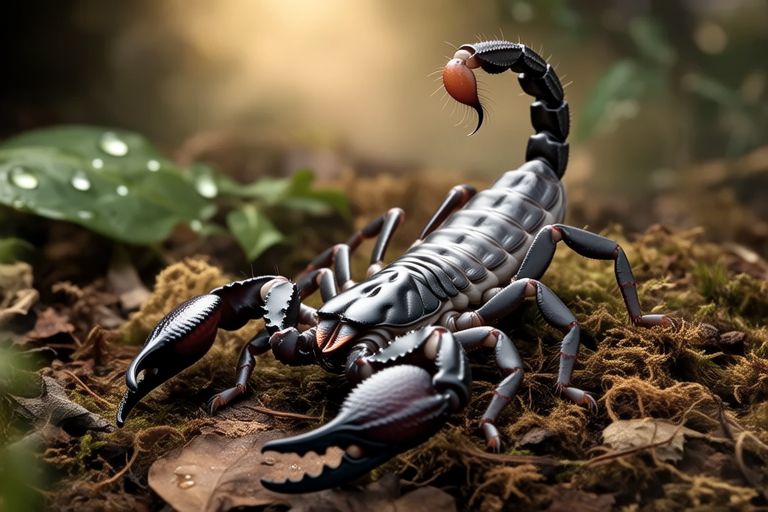
Top Secrets of Keeping Heterometrus Spinifer Happy and Healthy
Welcome to the world of exotic pets! If you’re considering or already own a Heterometrus spinifer, commonly known as the Asian Forest Scorpion, you’ve chosen a fascinating and unique creature. This article will guide you through the essential aspects of keeping your scorpion happy and healthy, from habitat setup to dietary needs and handling techniques. By understanding their natural environment, you can provide the best care possible.
The Natural Habitat: A Blueprint for Success
To ensure your Heterometrus spinifer thrives, it’s crucial to replicate its natural habitat as closely as possible. Native to Southeast Asia, these scorpions prefer humid, warm climates with plenty of hiding spots. Start by setting up a terrarium that mimics their wild environment:
- Temperature: Maintain temperatures between 75°F and 85°F (24°C to 29°C). Use a heat mat or under-tank heater to achieve this. Avoid extreme fluctuations that could stress your scorpion.
- Humidity: Aim for a humidity level of around 60% to 80%. Regular misting is necessary to keep the substrate moist and maintain proper hydration.
- Substrate: Provide a deep layer of coconut fiber or peat moss to allow burrowing. Ensure the substrate remains damp but not waterlogged.
- Hiding Spots: Offer multiple hiding places such as cork bark, half logs, or artificial caves. These provide security and help reduce stress.
Creating a comfortable and stimulating environment will encourage your scorpion to thrive. Remember, a well-set-up habitat not only benefits your pet but also makes observing its behavior more enjoyable.
Dietary Needs: Fueling Their Growth
A balanced diet is vital for the health and longevity of your Heterometrus spinifer. In the wild, they primarily feed on insects, so their captive diet should reflect this:
- Feeding Frequency: Feed adult scorpions once every 7 to 10 days. Juveniles may require more frequent meals, approximately every 3 to 5 days.
- Prey Selection: Offer a variety of appropriately sized insects like crickets, dubia roaches, and mealworms. Gut loading the prey with nutritious vegetables before feeding ensures your scorpion receives additional vitamins and minerals.
- Variety: Introduce different types of prey to prevent nutritional deficiencies. Consider adding occasional waxworms or silkworms for extra fat content.
- Hydration: While scorpions obtain most of their moisture from their food, providing a shallow water dish can help maintain hydration levels, especially during shedding periods.
By carefully selecting and preparing your scorpion’s meals, you contribute significantly to its overall health. Always ensure that the prey items are no larger than the width of the scorpion’s body to avoid choking hazards.
Handling Techniques: Safety First
Handling your Heterometrus spinifer requires caution and respect. While these scorpions are generally docile, improper handling can lead to stress or injury:
- Minimal Handling: Limit handling sessions to once a week at most. Frequent handling can cause undue stress and disrupt their natural behaviors.
- Use Tools: Utilize tongs or forceps when necessary to move your scorpion. This reduces direct contact and minimizes the risk of accidental stings.
- Observation: Spend time observing your scorpion from outside its enclosure. Watching its interactions with its environment can be just as rewarding as physical interaction.
- Safe Release: When returning your scorpion to its enclosure, gently place it back into its preferred hiding spot rather than simply dropping it.
Remember, each scorpion has its own personality. Some may tolerate handling better than others. Pay attention to your pet’s reactions and adjust your approach accordingly.
Signs of Health Issues: Early Detection is Key
Regular monitoring allows you to detect potential health issues early. Here are some common signs to watch for:
- Lethargy: A normally active scorpion becoming sluggish or unresponsive could indicate illness or stress.
- Poor Appetite: Refusal to eat over several feedings might signal underlying health problems.
- Abnormal Behavior: Changes in usual behavior, such as increased aggression or excessive hiding, can point to discomfort or disease.
- Physical Symptoms: Look for visible signs like missing limbs, discoloration, or unusual exoskeleton formations. These could indicate injuries or infections.
If you notice any concerning symptoms, consult a veterinarian specializing in exotic animals. Early intervention can make all the difference in treatment outcomes.
Actionable Advice for Both Novice and Experienced Owners
No matter your experience level, there are always ways to improve your care routine:
- For Novices: Start by researching extensively about Heterometrus spinifer. Join online communities and forums where you can ask questions and share experiences. Begin with a basic setup and gradually introduce more advanced elements as you gain confidence.
- For Experienced Owners: Continue learning about advancements in scorpion care. Attend workshops or seminars to stay updated on the latest practices. Share your knowledge with new owners to promote responsible pet ownership.
Regardless of your expertise, maintaining a consistent care routine and showing your scorpion love and respect will greatly enhance its quality of life.
Conclusion: A Rewarding Journey
Keeping a Heterometrus spinifer as a pet is a rewarding endeavor filled with opportunities for learning and growth. By understanding their natural environment and meeting their specific needs, you can ensure your scorpion lives a long, healthy, and happy life. Remember, responsible pet ownership involves ongoing commitment and education. With dedication and care, you’ll build a strong bond with your unique companion.
