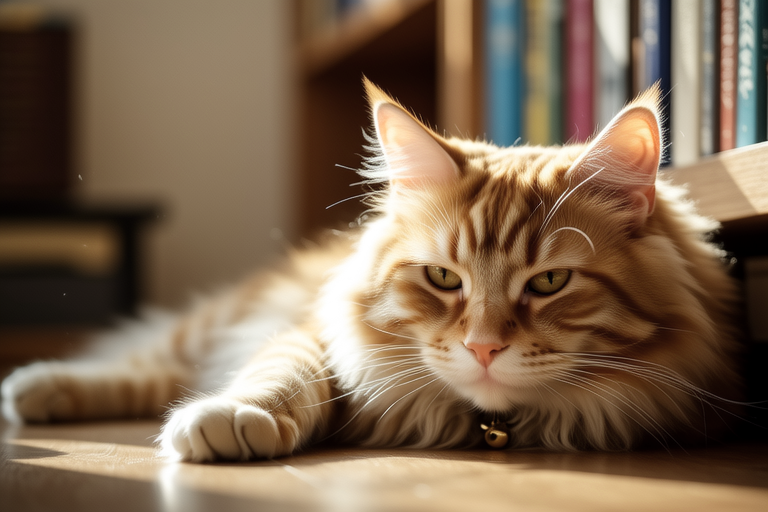
The Unique Charm of Orange Cats: A Scientific Perspective
Orange cats, with their striking coats and friendly dispositions, have long captured the hearts of cat enthusiasts around the world. But what exactly makes these felines so captivating? In this article, we’ll explore the genetics behind their coat color, delve into their behavioral traits, examine historical and evolutionary factors that have influenced their popularity, and investigate the psychological impacts they have on humans. By the end, you’ll understand why orange cats might be considered more lovable from a scientific standpoint.
The Genetics Behind Their Coat Color
The distinctive orange coloration of these cats is primarily due to a genetic mutation that affects the production of melanin, the pigment responsible for skin and hair color. This mutation results in the expression of a gene called orange, which is located on the X chromosome. As a result, orange cats are predominantly male (since males have one X and one Y chromosome), while females can either be tortoiseshell (with patches of orange and black) or calico (with additional white patches).
Interestingly, the orange gene is also linked to the production of red pigment in human eyes, which explains why some people with red hair and green eyes may share a similar genetic background with orange cats. The mutation that causes orange fur is relatively common in the cat population, making it easier for breeders to produce these beautiful felines.
Behavioral Traits Associated With Orange Cats
Orange cats are often perceived as being more outgoing and friendly than other breeds. Studies have shown that orange cats tend to be more social and interactive with humans, which could explain their popularity as pets. A study published in the Journal of Feline Medicine and Surgery found that orange cats were more likely to approach strangers and engage in play than cats with other coat colors. This behavior could be attributed to their genetic predisposition towards sociability.
In addition to their friendly nature, orange cats are known for their playful personalities. They are often described as curious and energetic, always ready to explore new environments and engage in stimulating activities. This playful demeanor can be traced back to their wild ancestors, who needed to hunt and survive in challenging environments. Today, orange cats retain this natural instinct, making them excellent companions for families with children or individuals looking for an active pet.
Historical and Evolutionary Factors Influencing Their Popularity
The history of orange cats dates back thousands of years, with evidence suggesting that they were revered in ancient Egypt. Cats were considered sacred animals in Egyptian culture, and orange cats, in particular, were believed to possess magical powers. This reverence extended to other cultures as well, with orange cats appearing in mythology and folklore throughout history. Their association with warmth and sunlight has made them symbols of good fortune and protection in many societies.
From an evolutionary perspective, orange cats’ popularity can be attributed to their adaptability and resilience. Over time, these traits have allowed them to thrive in diverse environments, making them ideal candidates for domestication. As humans began to settle in agricultural communities, orange cats became valuable companions, helping to control rodent populations and protect food supplies. This mutually beneficial relationship between humans and orange cats has persisted for centuries, contributing to their enduring appeal.
Psychological Impacts They Have On Humans
The psychological benefits of owning an orange cat are numerous and well-documented. Research has shown that interacting with pets can reduce stress levels, lower blood pressure, and improve overall mental health. Orange cats, in particular, have been found to provide a sense of comfort and security, making them ideal companions for individuals dealing with anxiety or depression.
A study conducted by the University of Missouri found that people who owned orange cats reported higher levels of happiness and life satisfaction compared to those who owned cats with other coat colors. This could be due to the cats’ friendly and affectionate nature, which fosters a strong bond between pet and owner. The presence of an orange cat in the home can create a calming environment, reducing feelings of loneliness and isolation.
Why Orange Cats Might Be Considered More Lovable
So, why are orange cats considered more lovable? Part of the answer lies in their physical appearance. Their bright, eye-catching coats make them stand out from other cats, capturing attention and admiration. Additionally, their friendly and sociable nature allows them to form strong bonds with humans, creating a sense of companionship and emotional connection.
Research has shown that people are naturally drawn to animals with large, expressive eyes and soft, cuddly bodies – characteristics that orange cats possess in abundance. The combination of these physical traits, along with their playful and affectionate personalities, contributes to their overall appeal. Moreover, the cultural and historical significance of orange cats adds another layer of charm, making them even more beloved by cat lovers worldwide.
In conclusion, the unique charm of orange cats can be explained through a variety of scientific perspectives. From their genetics and behavior to their historical and evolutionary background, these felines have captivated humans for centuries. Whether you’re a devoted cat lover or simply curious about our feline friends, understanding the science behind orange cats’ appeal will deepen your appreciation for these wonderful creatures.
