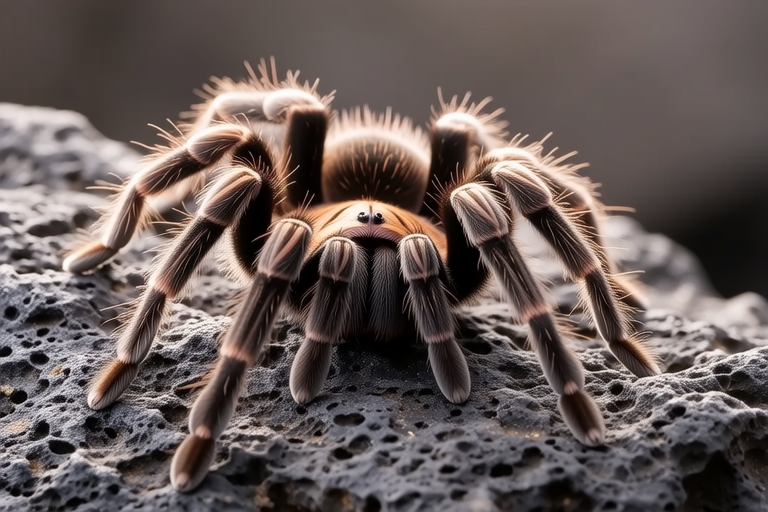
Legs for Days: The Ultimate Guide to Chilean Rose Tarantula Ownership
Welcome to the fascinating world of tarantulas! Among the most popular and beloved species is the Grammostola rosea, commonly known as the Chilean rose tarantula. These spiders are celebrated for their docile temperament and striking appearance, which features a dusty rose-colored carapace. Their manageable size and relatively low maintenance make them ideal pets for both beginners and seasoned arachnologists alike. In this comprehensive guide, we will explore everything you need to know about owning a Chilean rose tarantula, from setting up the perfect habitat to understanding their dietary needs and ensuring their overall well-being.
Housing Requirements
Creating a suitable living environment is crucial for the health and happiness of your Chilean rose tarantula. Proper housing ensures that your pet thrives and remains stress-free.
Enclosure Size
The enclosure size should be proportional to the size of your tarantula. A general rule is to provide at least three times the leg span in height and diameter for a comfortable space. For example, a young tarantula might require a 5-gallon tank, while an adult would be more at home in a 10-gallon tank or larger.
Substrate
The substrate, or bedding, should be chosen carefully. Many owners prefer coconut fiber or reptile-safe soil, as these materials retain moisture well and provide a naturalistic environment. Avoid substrates like sand, which can cause impaction if ingested by the tarantula.
Temperature and Humidity
Maintaining the right temperature and humidity levels is essential. Chilean rose tarantulas thrive in temperatures ranging from 75°F to 85°F (24°C to 29°C). Use a thermometer to monitor these levels accurately. Humidity should be kept around 60-70%, achieved through regular misting or the use of a humidifier.
Feeding Habits
Understanding the feeding habits of your tarantula is key to its health and longevity.
Suitable Prey
Chilean rose tarantulas are carnivorous and will eat a variety of small insects. Crickets, mealworms, and dubia roaches are popular choices. It’s important to ensure that the prey is appropriately sized; it should not be larger than half the width of the tarantula’s abdomen.
How Often to Feed
Younger tarantulas should be fed once every 5-7 days, while adults can be fed less frequently, about once every 10-14 days. Overfeeding can lead to obesity and other health issues, so it’s important to strike a balance.
Handling Techniques
Handling your Chilean rose tarantula requires careful attention to detail to ensure the safety of both you and your pet.
Preparation
Before attempting to handle your tarantula, ensure that your hands are clean and free of any potential irritants. Place your tarantula in a secure container, such as a deli cup, to prevent accidental falls or escapes.
Techniques
When ready to handle, gently coax the tarantula onto your hand using a stick or a nontoxic object. Support the spider’s body fully, especially the abdomen, to avoid causing stress or injury. Always handle with care and respect.
Common Health Issues and Preventive Care
Like any pet, Chilean rose tarantulas can face various health challenges. Early detection and proper care are vital for maintaining their well-being.
Signs of Illness
Look out for signs such as lethargy, loss of appetite, or unusual behavior. A healthy tarantula is active and shows interest in its surroundings. If you notice any concerning symptoms, consult a veterinarian specializing in exotic animals.
Preventive Care
Regular cleaning of the enclosure, providing fresh water, and ensuring a balanced diet are all part of good preventive care. Regular observation of your tarantula’s behavior can also help identify early signs of distress.
Creating an Enriching Environment
To maintain a strong bond with your Chilean rose tarantula and ensure its contentment, it’s important to provide an enriching environment.
Environmental Enrichment
Incorporate elements such as cork bark or artificial plants to mimic a natural habitat. These additions not only enhance the aesthetic appeal but also provide hiding spots and climbing opportunities for your tarantula.
Maintaining a Bond
While tarantulas are not social creatures in the same way mammals are, they can develop a familiarity with their handlers over time. By offering consistent care and a stable environment, you can foster a positive relationship with your pet.
By following this guide, you’ll be well-equipped to provide your Chilean rose tarantula with the best possible care. Remember, patience and attention to detail are key when it comes to these fascinating creatures. Enjoy the journey of learning and bonding with your new pet!
