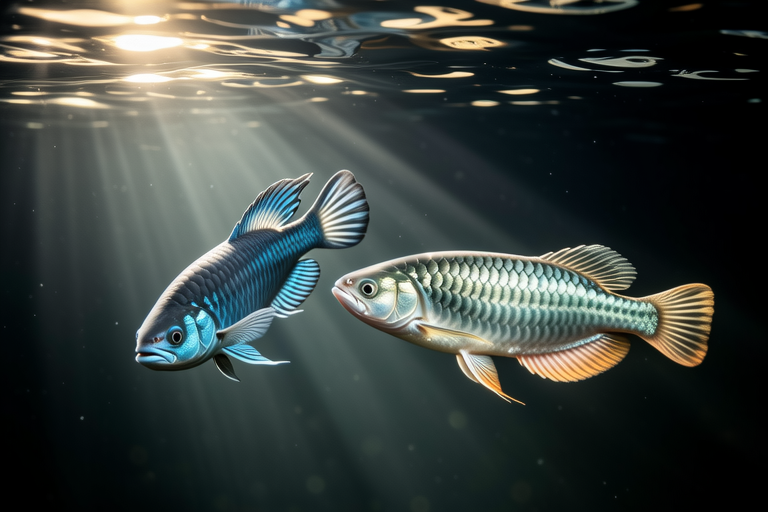
Mesmerizing Males vs. Captivating Females: Understanding Your Arowana’s Behavior
Welcome to an intriguing exploration of the fascinating world of arowanas. These majestic fish are not just beautiful; they also exhibit a wide range of behaviors that can be both captivating and complex. In this article, we will delve into the distinct behavioral traits of male and female arowanas, focusing on their interactions within aquarium settings, feeding habits, territorial displays, and mating behaviors. By understanding these nuances, you’ll be better equipped to provide optimal care and enriching experiences for your aquatic companions.
Understanding Arowana Species
Arowanas belong to the Osteoglossidae family and are native to parts of South America, Africa, and Asia. The most popular species among aquarists include the Asian Arowana (Scleropages formosus), African Arowana (Heterotis niloticus), and Silver Arowana (Osteoglossum bicirrhosum). Each species showcases unique characteristics, but our focus here will primarily be on the Asian Arowana due to its prominence in the aquarium trade.
Distinct Behavioral Traits
Interactions Within Aquarium Settings
Male and female arowanas interact differently within the confines of an aquarium. Males tend to be more active swimmers, often patrolling the upper waters to claim territory or search for food. They are known for their boldness and can sometimes display aggressive behavior towards other males, especially during breeding seasons. On the other hand, females are generally more docile and spend more time near the bottom or middle of the tank, scavenging for food and ensuring safety from potential threats.
In a community tank, it is crucial to observe these interactions closely. Male arowanas may become overly territorial if space is limited, leading to stress among tank mates. Conversely, females might retreat too much, missing out on essential nutrients. Ensuring ample space and providing hiding spots can help balance these dynamics.
Feeding Habits
The feeding habits of male and female arowanas differ slightly. Males are more likely to chase after food items, making them excellent surface feeders. They often leap out of the water to catch insects, a trait inherited from their wild counterparts. This behavior is particularly mesmerizing and adds an element of excitement to feeding times.
Females, while less adventurous, are efficient at scavenging for food at various levels of the tank. They prefer sinking pellets and live foods like worms and shrimp. Owners should offer a varied diet to cater to these differences, ensuring both genders receive adequate nutrition.
Territorial Displays
Arowanas are known for their territorial nature, and this behavior is more pronounced in males. During territorial disputes, males will extend their dorsal fins and swim erratically around the tank, displaying their vibrant colors to intimidate rivals. They may also engage in head-butting or fin-nipping as part of their dominance displays.
Females, although less aggressive, still participate in establishing territories. Their displays are subtler, involving slow swimming patterns and occasional flaring of fins. Observing these behaviors can provide valuable insights into the health and hierarchy of your tank. If a female consistently avoids certain areas, it might indicate underlying issues such as bullying or inadequate hiding spaces.
Mating Behaviors
The reproductive behavior of arowanas is one of the most fascinating aspects of their biology. Males play a crucial role in courtship, often performing elaborate dances to attract females. They fan their fins and create bubblenests, which they use to protect eggs and fry. This parental care extends even further in some species, where males continue to guard the offspring until they are capable of fending for themselves.
Females, on the other hand, are responsible for producing eggs. Their bodies undergo significant changes during spawning, including the development of swollen bellies and darker pigmentation. Providing a suitable environment for breeding, such as a separate breeding tank with soft, clean water, can greatly enhance the chances of successful reproduction.
Tips for Owners
Observation and Interpretation
To ensure the well-being of your arowanas, it’s essential to regularly observe their behaviors. Keep a journal noting any changes in activity levels, eating habits, or social interactions. This can help identify early signs of illness or stress, allowing for prompt intervention.
For example, if you notice a sudden decrease in appetite or increased lethargy, it could indicate poor water quality or dietary imbalance. Adjustments in filtration systems or diet modifications might be necessary. Similarly, frequent territorial disputes might suggest overcrowding, requiring additional space or tank mates.
Creating a Balanced Environment
Designing an appropriate habitat is key to fostering healthy behaviors in your arowanas. Start by selecting a spacious tank that allows ample swimming room. For a pair of adult arowanas, a minimum of 400 gallons is recommended. Incorporate robust filtration systems to maintain crystal-clear water, as these fish are sensitive to ammonia and nitrite levels.
Provide a variety of hiding spots using driftwood, caves, and plants. This not only enriches the visual appeal of the tank but also offers refuge for both males and females. Additionally, consider incorporating floating plants to mimic their natural habitats, encouraging surface feeding behaviors.
Conclusion
Mesmerizing Males vs. Captivating Females: Understanding Your Arowana’s Behavior offers a comprehensive look into the intricate lives of these magnificent creatures. By recognizing the distinct traits and needs of each gender, you can create a thriving environment that enhances their well-being and enjoyment. Whether you’re a novice aquarist or an experienced enthusiast, the insights gained from observing and caring for arowanas will undoubtedly deepen your appreciation for these captivating fish.
We hope this guide has provided you with valuable information and inspiration. Happy fishkeeping!
