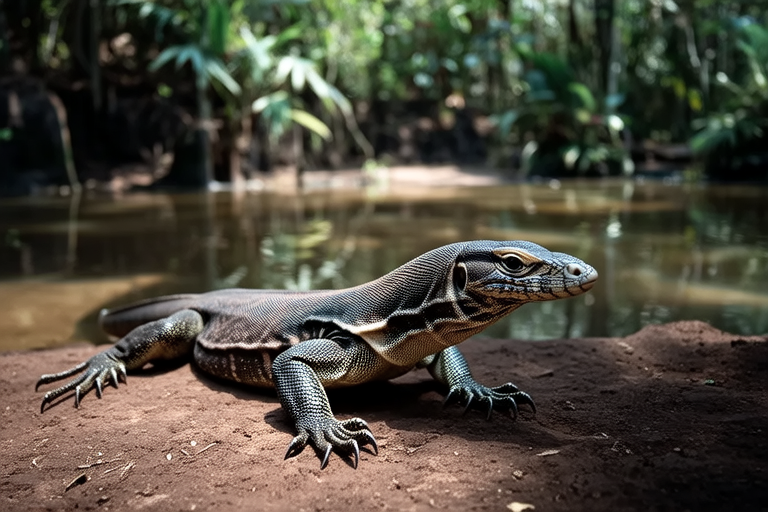
How to Care for a Water Monitor: Tips from Expert Reptile Keepers
Introduction to Water Monitors and Their Care Requirements
Water monitors (Varanus salvator) are one of the largest lizard species in the world, known for their impressive size and active nature. Native to Southeast Asia, these reptiles thrive in environments with ample water access and high humidity. As pets, they require meticulous care to ensure their well-being. Understanding their natural habitat is crucial for providing an appropriate living environment that mimics their wild conditions.
Water monitors are semi-aquatic creatures that spend significant time both on land and in water. They need a habitat that supports both terrestrial and aquatic activities. Additionally, they have specific temperature, humidity, and lighting requirements that must be met to maintain their health and happiness.
Detailed Setup Instructions for an Appropriate Habitat
Habitat Size
Adequate space is essential for water monitors. A juvenile may start in a large enclosure, but as they grow, they will need significantly more room. For an adult water monitor, a custom-built enclosure measuring at least 12 feet long, 6 feet wide, and 6 feet tall is recommended. This ensures they have enough space to move around, bask, swim, and explore.
Temperature and Humidity
Water monitors are ectothermic, meaning they rely on external sources for body heat. The ideal temperature gradient within the enclosure should range from 85°F to 95°F (29°C to 35°C) during the day and drop slightly to 75°F to 85°F (24°C to 29°C) at night. A basking spot should reach around 100°F (38°C).
Humidity levels should be kept between 60% and 80%. This can be achieved through regular misting, using a humidifier, or incorporating a large water area within the enclosure. Proper humidity is vital for maintaining healthy skin and preventing respiratory issues.
Lighting
UVB lighting is crucial for calcium absorption and overall health. A full-spectrum UVB light should be provided for 10 to 12 hours per day. Position the light so it reaches a basking area where the monitor can soak up the rays. Ensure the UVB light is replaced every six months to maintain its effectiveness.
Diet Specifics, Feeding Schedules, and Nutritional Needs
Water monitors are carnivorous and require a diet rich in protein. In captivity, their diet typically consists of rodents, feeder fish, crickets, and other insects. Younger monitors may also consume smaller prey items like mealworms and waxworms. It’s important to offer a variety of food to ensure a balanced intake of nutrients.
Feeding schedules vary depending on the age and size of the monitor. Juveniles should be fed daily, while adults can be fed every two to three days. Always provide fresh water for drinking and soaking. Water quality should be maintained to prevent bacterial growth.
Health Maintenance Tips
Signs of Illness
Monitor your water monitor regularly for any signs of illness. Common indicators include lethargy, loss of appetite, weight loss, discharge from the eyes, nose, or mouth, and abnormal skin coloration. If you notice any of these symptoms, consult a veterinarian specializing in reptiles immediately.
Necessary Veterinary Care
Regular check-ups are essential to catch potential health issues early. Annual visits to a reptile veterinarian are recommended. During these visits, your vet can perform blood tests, fecal examinations, and assess overall health. Vaccinations are not typically required for water monitors, but they may need periodic treatments for parasites.
Behavior Insights and How to Handle Your Water Monitor Safely
Water monitors are intelligent and curious animals. They can become quite tame with consistent handling, but they retain a strong predatory instinct. When handling, always support their body fully and avoid sudden movements. Approach them calmly and gently, allowing them to become accustomed to your presence.
Training can help build trust. Positive reinforcement techniques, such as offering treats, can encourage desirable behaviors. However, never punish a water monitor, as this can lead to fear and aggression.
Expert Reptile Keeper Advice on Common Mistakes to Avoid and Best Practices
Common Mistakes to Avoid
One of the most common mistakes is underestimating the space needed for a growing water monitor. Many owners start with a small enclosure and find themselves struggling to accommodate their rapidly expanding pet. Another frequent error is failing to provide adequate humidity, which can lead to dehydration and respiratory problems.
Best Practices
To ensure a happy and healthy water monitor, provide enrichment opportunities. This can include hiding spots, climbing structures, and toys that stimulate their natural instincts. Regular cleaning of the enclosure is also crucial to maintain hygiene and prevent disease.
Conclusion Summarizing Key Points and Encouraging Responsible Pet Ownership
Caring for a water monitor requires dedication and knowledge. By understanding their natural habitat, providing an appropriate environment, and meeting their dietary and health needs, you can ensure your water monitor thrives. Handling them safely and avoiding common mistakes will contribute to their well-being. Ultimately, responsible pet ownership involves making informed decisions and committing to the lifelong care of your pet.
