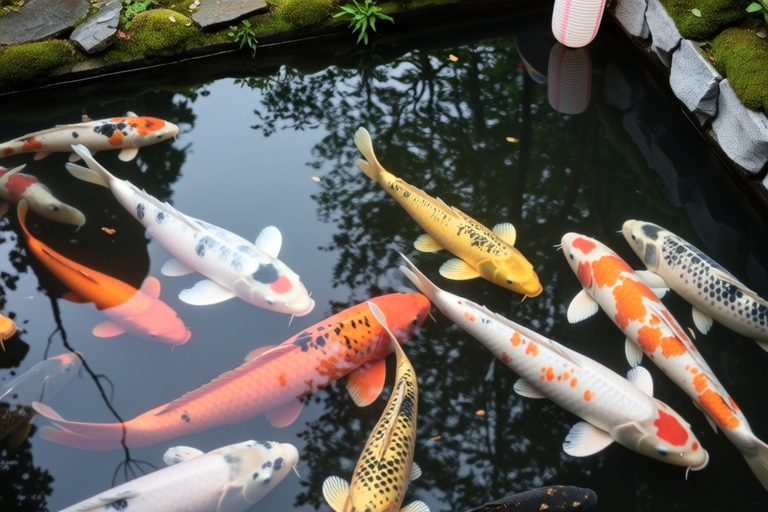
The Secret Life of Koi: Understanding Their Behavior and Needs
Koi fish are among the most popular ornamental fish, known for their vibrant colors and graceful swimming. However, behind their serene appearance lies a complex world of behavior, needs, and challenges that owners must understand to provide optimal care. This article will delve into the secret life of koi, exploring their anatomy, natural habitat, social behaviors, feeding habits, environmental preferences, common health issues, and tips for maintaining a healthy pond ecosystem.
Anatomy of Koi Fish
Understanding the anatomy of koi fish is crucial for recognizing their health and well-being. Koi have a streamlined body shape that allows them to swim efficiently through water. They possess two sets of paired fins – pectoral and pelvic fins – which help with maneuverability and stability. The dorsal fin, located on the back, provides balance, while the caudal (tail) fin propels the fish forward. Koi also have a lateral line, a sensory organ running along the side of their body, which helps them detect changes in water pressure and movement.
One of the most distinctive features of koi is their gills. These respiratory organs extract oxygen from the water, enabling koi to breathe underwater. A healthy koi’s gills should be pinkish in color; any signs of discoloration or lesions may indicate a health issue.
Natural Habitat
Native to East Asia, koi were originally domesticated from the common carp. In the wild, they inhabit slow-moving rivers, lakes, and ponds with abundant vegetation. Koi prefer environments with plenty of hiding spots, such as submerged plants and rocks, which offer protection from predators and provide areas for resting and breeding.
In captivity, it’s essential to recreate this natural habitat as closely as possible. Providing ample space, appropriate filtration systems, and incorporating natural elements like aquatic plants and rocks can significantly enhance the well-being of your koi. Additionally, maintaining a consistent temperature range between 68°F and 77°F (20°C to 25°C) ensures optimal conditions for these cold-water fish.
Social Behaviors
Koi are social creatures that thrive in groups. They exhibit various behaviors depending on their mood and environment. For instance, when feeling safe and secure, koi often gather near the surface of the water, where they can easily access food and interact with their surroundings. On the other hand, if threatened or stressed, they may retreat to deeper waters or hide among plants and structures within the pond.
Owners can observe these behaviors to gauge the overall health and happiness of their koi. Regularly interacting with your fish by hand-feeding them can strengthen bonds and make it easier to notice any changes in their behavior that might signal potential problems.
Feeding Habits
Proper nutrition is vital for maintaining the health and longevity of koi. A balanced diet typically consists of high-protein pellets or flakes formulated specifically for koi. These foods should be supplemented with occasional treats like freeze-dried bloodworms, brine shrimp, and vegetables such as zucchini or peas.
It’s important to feed koi according to their size and activity level. Overfeeding can lead to poor water quality and obesity, while underfeeding may result in malnutrition. As a general guideline, feed adult koi once or twice daily, offering only what they can consume within five minutes. Adjust portions based on seasonal changes, as koi require less food during colder months when their metabolism slows down.
Environmental Preferences
To ensure a thriving pond ecosystem, it’s crucial to create an environment that meets the specific needs of koi. Besides providing ample space and enriching the habitat with natural elements, attention should be paid to water quality parameters such as pH levels, ammonia, nitrite, and nitrate concentrations. Regular testing and adjustments using appropriate treatments can prevent harmful conditions that could compromise the health of your fish.
Additionally, consider installing UV sterilizers and biological filters to reduce algae growth and maintain clear water. Proper circulation also plays a significant role in preventing stagnation and promoting oxygen exchange. Lastly, ensure adequate shading from direct sunlight to minimize algae blooms and protect koi from overheating.
Common Health Issues
Despite best efforts, koi may still encounter health issues. Some of the most common problems include parasitic infections, bacterial diseases, fungal infections, and swim bladder disorders. Early detection and prompt treatment are key to managing these conditions effectively.
Regular observation of your koi’s behavior, appetite, and physical appearance can help identify potential issues before they become severe. If you notice any unusual symptoms, consult with a veterinarian specializing in aquatic animals for proper diagnosis and treatment. Maintaining good water quality through regular maintenance practices reduces the risk of many health problems.
Maintaining a Healthy Pond Ecosystem
A well-balanced pond ecosystem supports the overall health of koi. This involves managing factors such as water chemistry, beneficial bacteria populations, and aquatic plant growth. Beneficial bacteria play a critical role in breaking down waste products and converting harmful compounds into less toxic forms. Encouraging the growth of these bacteria through the use of biofilters or live plants enhances water clarity and minimizes the need for chemical interventions.
Regular water changes, cleaning of filters, and removal of excess organic matter contribute to maintaining stable water conditions. Additionally, incorporating oxygenators like floating plants or air stones increases dissolved oxygen levels, benefiting both koi and microorganisms involved in nutrient cycling.
Tips for Interacting With Koi and Understanding Their Moods
Building trust with your koi takes time but can greatly enhance your enjoyment of keeping them. Start by hand-feeding small amounts of food at regular intervals until they associate your presence with positive experiences. Gradually increase the amount fed by hand over several weeks, allowing each fish to approach independently.
Pay attention to subtle cues indicating your koi’s mood. For example, increased activity near the surface often signals excitement or anticipation of feeding time. Conversely, lethargic behavior might suggest discomfort or illness. Learning to read these signs helps you respond appropriately and address any concerns promptly.
Finally, remember that patience and consistency are key when interacting with koi. Establishing routines fosters predictability and security for your fish, leading to more confident and responsive interactions.
