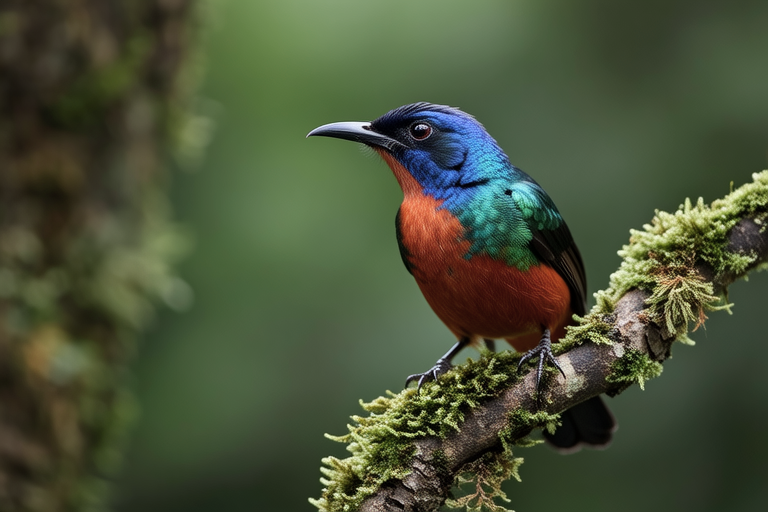
Meet the Splendid Japalure: The Bird That Will Win Your Heart
Welcome to the enchanting world of the Japalura gecko lizard! This article aims to correct a common misconception by introducing you to this fascinating creature, which, contrary to popular belief, is not a bird but a captivating gecko species. Known for its unique beauty, charm, and intelligence, the Japalura is a splendid addition to any exotic pet collection. In this comprehensive guide, we will explore the vibrant colors, distinct patterns, and intriguing behaviors of the Japalura. Additionally, we will provide essential tips on how to care for these delightful creatures, ensuring they thrive in their new home. Let us delve into the world of the Japalura and discover why it will win your heart.
The Unique Beauty and Charm of the Japalura Gecko Lizard
The Japalura gecko, scientifically known as Gekko japonicus, is a small, arboreal lizard native to the forests of Japan and Korea. These geckos are easily recognizable due to their vibrant colors and distinctive patterns. Their skin often features shades of green, brown, or gray, adorned with intricate markings that resemble spots, stripes, or even leopard-like rosettes. The contrast between these colors creates a striking visual effect, making each Japalura a unique masterpiece of nature.
One of the most fascinating aspects of the Japalura is its ability to change color. Like many other gecko species, the Japalura can alter its appearance depending on its environment, mood, and temperature. This color-changing ability allows them to blend seamlessly into their surroundings, offering protection from predators while also enhancing their appeal to potential mates. Watching a Japalura shift colors can be a mesmerizing experience, adding an extra layer of fascination to these already captivating creatures.
Intriguing Behaviors and Intelligence
Japaluras are not only visually stunning but also exhibit a range of intriguing behaviors that make them highly entertaining pets. They are primarily nocturnal, becoming more active during the evening hours when they search for food and engage in social interactions. Despite their small size, Japaluras are agile climbers and can navigate through complex environments with ease, thanks to their sticky toe pads. These adaptations enable them to scale vertical surfaces, making them excellent escape artists if given the chance.
Beyond their physical abilities, Japaluras display remarkable intelligence and responsiveness. Many owners report that their Japaluras quickly learn to recognize their caretakers and respond to gentle handling. Some individuals may even become affectionate, seeking out human interaction and enjoying being held or petted. This level of engagement makes the Japalura not just a passive pet but a companion capable of forming strong bonds with its owner.
Care Tips for Potential Owners
If you’re considering adding a Japalura to your exotic pet collection, it’s essential to understand the specific needs of this species to ensure their well-being. Proper care involves providing a suitable habitat, a balanced diet, and regular health checks. Below are some key tips to help you create a thriving environment for your Japalura.
Habitat Setup
A proper habitat is crucial for the health and happiness of your Japalura. A glass terrarium with a secure lid is ideal, allowing for ventilation while preventing escapes. The enclosure should be spacious enough to accommodate climbing structures, branches, and hiding spots. Providing a variety of perches and vines encourages natural behavior and promotes exercise. Additionally, maintaining a consistent temperature gradient within the enclosure is vital, with a warm basking area (around 85°F) and cooler areas (around 75°F).
Substrate choice is another important consideration. Coconut fiber, cypress mulch, or reptile-safe paper towels are suitable options. Avoid substrates that could be ingested, such as sand or gravel, as they pose a choking hazard. Regular cleaning of the enclosure is necessary to maintain hygiene and prevent the buildup of harmful bacteria.
Diet and Nutrition
Japaluras are insectivores, meaning their diet consists primarily of insects. A varied diet rich in nutrients is essential for their overall health. Suitable prey items include crickets, mealworms, dubia roaches, and waxworms. It’s recommended to dust feeder insects with calcium and vitamin supplements to ensure your Japalura receives all necessary nutrients. Feeding should occur several times a week, with the frequency adjusted based on the age and size of your gecko.
Water is also a critical component of a Japalura’s diet. While they obtain much of their hydration from their food, providing a shallow water dish encourages drinking and helps maintain humidity levels within the enclosure. Misting the enclosure daily can further aid in maintaining appropriate humidity, which is particularly important during shedding periods.
Health Care
Regular health checks are essential for keeping your Japalura in optimal condition. Signs of illness may include lethargy, loss of appetite, abnormal shedding, or changes in stool consistency. If you notice any concerning symptoms, consult a veterinarian specializing in reptiles for diagnosis and treatment.
To prevent health issues, it’s crucial to maintain clean living conditions and provide a balanced diet. Quarantine new additions to your collection to avoid introducing parasites or diseases. Additionally, regular handling and observation allow you to familiarize yourself with your Japalura’s normal behavior, making it easier to detect any deviations that might indicate illness.
The Bond Between Japaluras and Their Caretakers
The relationship between Japaluras and their caretakers can be incredibly rewarding. These intelligent and responsive lizards have the potential to form strong bonds with their owners, especially with proper handling and socialization. Regular interaction builds trust and familiarity, encouraging your Japalura to seek out human company.
Handling your Japalura should be done gently and with respect for their comfort. Start by offering treats, such as small insects, to encourage positive associations. Gradually increase the duration and frequency of handling sessions, always being mindful of your gecko’s signals. Some Japaluras may enjoy being held, while others prefer to remain on perches or ledges. Pay attention to your Japalura’s preferences and adjust your approach accordingly.
The intelligence and responsiveness of Japaluras make them more than just pets; they become companions capable of enriching your life. Their unique behaviors, vibrant colors, and engaging personalities create a special connection that can last a lifetime.
Why the Japalura is a Splendid Addition to Any Exotic Pet Collection
In conclusion, the Japalura gecko is a splendid addition to any exotic pet collection, whether you’re a first-time reptile owner or an experienced herpetologist. Their vibrant colors, distinct patterns, and intriguing behaviors make them visually captivating and endlessly fascinating. With proper care and attention, Japaluras can thrive in captivity, forming strong bonds with their caretakers and providing years of enjoyment.
By understanding their specific needs and providing a suitable habitat, balanced diet, and regular health care, you can ensure your Japalura lives a long and healthy life. The intelligence and responsiveness of these lizards make them more than just pets; they become companions capable of enriching your life. Whether you’re drawn to their unique appearance or their engaging personalities, the Japalura is sure to win your heart.
