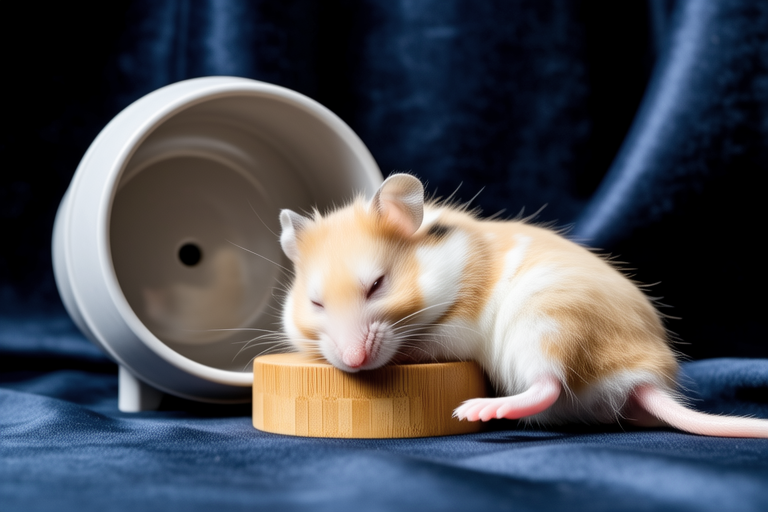
Nighttime Adventures: Understanding and Enjoying Your Golden Hamster’s Sleep Patterns
Golden hamsters, like many other small rodents, are primarily nocturnal creatures. This means they are most active during the night and sleep during the day. Their nocturnal nature sets them apart from diurnal animals, which are active during the day and rest at night. Understanding this behavior is crucial for providing the best care for your pet and ensuring its well-being.
The Nocturnal Nature of Golden Hamsters
Hamsters have adapted to be nocturnal due to their natural habitats, where they can avoid predators and extreme daytime temperatures. In the wild, golden hamsters (Mesocricetus auratus) spend their days in underground burrows, emerging at dusk to forage for food and explore their territory. This pattern has been preserved in domesticated hamsters, making them ideally suited for life as pets.
It’s important to recognize that while hamsters are nocturnal, they are not strictly so. They can exhibit periods of activity during the day, especially if they are young or if their environment is disrupted. However, understanding their typical schedule helps you anticipate their needs and provide an enriching environment.
Observing Activity Levels Without Disturbing Them
One of the challenges for hamster owners is observing their pet’s activity without causing stress or disruption. Since hamsters are most active during the night, it’s essential to find ways to monitor their behavior without waking them up. Here are some tips:
- Use Red Light Bulbs: Installing red light bulbs in your hamster’s enclosure allows you to see them clearly without disrupting their sleep. Red light is less intrusive to hamsters compared to white or blue light.
- Keep Observations Brief: When checking on your hamster, try to limit your time in the room. Prolonged exposure to your presence may stimulate your hamster into activity, disrupting their natural sleep cycle.
- Utilize Video Monitoring: If you’re curious about your hamster’s nighttime activities, consider setting up a small camera with night vision capabilities. This way, you can observe without disturbing.
By following these guidelines, you can gain valuable insights into your hamster’s behavior while respecting their need for uninterrupted sleep.
Maintaining a Consistent Environment for Their Sleep-Wake Cycle
Creating a stable and predictable environment is key to supporting your hamster’s sleep-wake cycle. Consistency helps reduce stress and promotes healthy habits. Here are some aspects to consider:
Temperature
Golden hamsters thrive in environments with moderate temperatures, typically between 65°F and 75°F (18°C to 24°C). Extreme temperatures can lead to discomfort or even health issues. Ensure that your hamster’s living area is not exposed to drafts or direct sunlight, which can cause temperature fluctuations.
Lighting Conditions
Light plays a significant role in regulating your hamster’s circadian rhythm. To help them maintain a regular sleep-wake cycle, it’s best to keep their living space dimly lit during the day and dark at night. Use curtains or blinds to control the amount of daylight entering the room where your hamster lives. Avoid placing their cage near windows that receive direct sunlight, as this can disrupt their routine.
Additionally, consider using a timer to automate the lights in your hamster’s room. This ensures that the lighting changes occur consistently, helping to reinforce their internal clock.
Enriching Nighttime Experiences
Since hamsters are most active at night, it’s essential to provide them with stimulating toys and activities during their peak hours. This not only keeps them entertained but also helps prevent boredom, which can lead to behavioral problems such as chewing on cage bars or excessive digging.
Safe Toys and Activities
Choose toys that are designed specifically for small rodents. Look for items made from non-toxic materials that won’t pose a choking hazard. Some popular choices include:
- Tunnels and Hideouts: These provide both shelter and exercise opportunities, encouraging your hamster to explore and play.
- Exercise Wheels: A solid-surface wheel is a must-have for any hamster owner. It allows your pet to run freely without risking injury from gaps.
- Fortune Teller Balls: These toys contain treats inside and require problem-solving skills to access them, providing mental stimulation.
Rotate toys periodically to keep your hamster interested and engaged. This prevents monotony and keeps them mentally sharp.
Interactive Play
While hamsters are generally solitary animals, they can still enjoy brief interactions with their owners. Gently place your hand in the cage to encourage your hamster to approach. You can also offer treats or use a small spoon to feed them, creating a bonding experience.
Remember to handle your hamster carefully, as they are delicate creatures. Always support their body and avoid lifting them by their tail.
Recognizing Signs of Poor Health Related to Sleep Disturbances
Sometimes, despite your best efforts, your hamster may experience sleep disturbances that could indicate underlying health issues. It’s important to be vigilant and seek veterinary assistance if you notice any of the following signs:
- Excessive Sleepiness: If your hamster appears unusually lethargic or sleeps more than usual, it could be a sign of illness.
- Difficulty Waking Up: Hamsters should wake up easily when stimulated. If your hamster seems slow to respond or disoriented, consult a vet.
- Changes in Appetite: A sudden loss of appetite or refusal to eat can be linked to various health problems, including those affecting sleep.
- Unusual Vocalizations: While hamsters can make soft squeaks, persistent or loud noises might signal distress.
If you notice any of these symptoms, it’s advisable to take your hamster to a veterinarian who specializes in exotic pets. Early intervention can often resolve issues before they become more serious.
