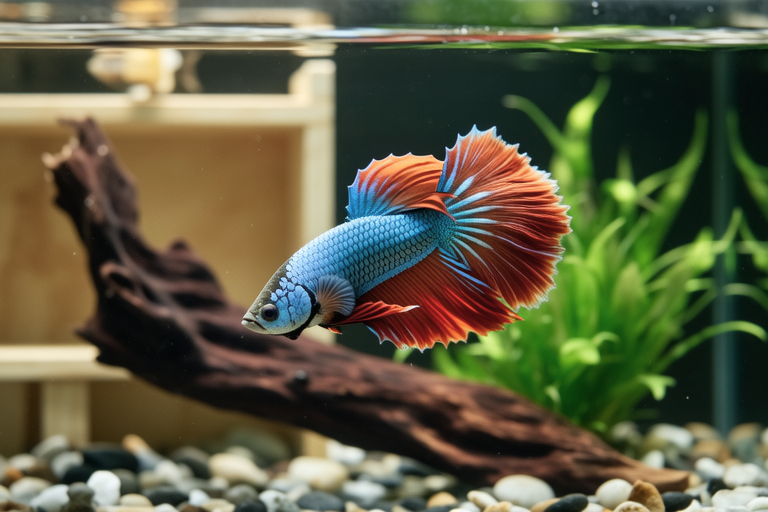
The Ultimate Guide to Creating a Happy Home for Your Betta
Welcome to your ultimate guide on how to create a happy home for your betta! Betta fish, also known as Siamese fighting fish, are popular pets due to their vibrant colors and long, flowing fins. However, they require specific care to thrive. This comprehensive guide will walk you through everything you need to know to provide your betta with a healthy and comfortable environment.
Selecting an Appropriate Tank Size
One of the first steps in creating a happy home for your betta is choosing the right tank size. Contrary to popular belief, a bowl is not sufficient for these fish. Bettas need more space to swim and explore. A minimum tank size of 2.5 gallons is recommended, but a larger tank, such as 5 gallons or more, is even better. Ensure that the tank has a secure lid to prevent the betta from jumping out, as they are known to be enthusiastic jumpers.
Filtration Systems
A reliable filtration system is crucial for maintaining clean water and removing harmful toxins. While some betta owners believe these fish prefer still water, it’s important to have gentle filtration to keep the water moving and oxygenated. Look for filters labeled as ‘low flow’ to avoid strong currents that could stress your betta. Additionally, regular water changes are necessary to maintain optimal water quality.
Water Parameters (Temperature, pH)
Bettas thrive in specific water conditions. The ideal temperature range for bettas is between 76°F and 82°F (24°C to 28°C). You can use a heater to maintain this temperature, especially if your home tends to get chilly. The pH level should be slightly acidic, ideally between 6.5 and 7.5. Consistent water parameters are key to keeping your betta healthy, so invest in a reliable thermometer and pH test kit.
Proper Diet
Feeding your betta a balanced diet is essential for its overall health. Bettas are carnivorous and should be fed a variety of high-quality foods. Pellets specifically designed for bettas are a good staple, but you can also offer live or frozen foods like bloodworms, brine shrimp, and daphnia. Avoid overfeeding, as excess food can lead to poor water quality and obesity. Feed your betta small portions two to three times a day.
Aquarium Decorations for Hiding and Resting
Your betta will appreciate having places to hide and rest. Plants, both real and artificial, are excellent choices. Real plants not only look beautiful but also help improve water quality by absorbing nitrates. Artificial plants are a great alternative if you’re concerned about plant maintenance. Floating plants are particularly beneficial as they provide shade and reduce surface agitation. In addition to plants, consider adding caves or driftwood to create hiding spots.
Maintaining Water Quality
Maintaining clean water is critical for your betta’s well-being. Regular water changes are necessary to remove waste and maintain water parameters. Aim to change about 25% of the water weekly. Always treat tap water with a dechlorinator before adding it to the tank to remove harmful chemicals. Additionally, perform regular maintenance on the filter and vacuum the substrate to prevent the buildup of debris.
Managing Tank Mates
Bettas are often thought to be aggressive towards other fish, but with careful selection, you can successfully house them with compatible tank mates. Small, peaceful fish like danios, mollies, and platies can coexist with bettas if there is enough space and hiding spots. Avoid housing bettas with long-finned fish, as they may become targets for fin-nipping. It’s also important to note that male bettas should not be housed together, as they are territorial and will fight.
Common Health Issues to Watch For
Despite your best efforts, your betta may still encounter health issues. Fin rot, characterized by frayed or discolored fins, is one of the most common problems. It can be caused by poor water quality or physical damage. To prevent fin rot, ensure your water is clean and avoid handling your betta roughly. Dropsy, another serious condition, causes the abdomen to swell and scales to protrude. If you notice signs of dropsy, seek immediate veterinary care.
Daily Care Tips
- Check Water Temperature: Ensure the temperature stays within the recommended range. Bettas are sensitive to temperature fluctuations.
- Observe Behavior: Watch your betta’s behavior for any signs of stress or illness. A healthy betta is active and curious.
- Feed Appropriately: Offer small, frequent meals to avoid overfeeding. Remove uneaten food after a few minutes to prevent water pollution.
- Clean the Tank: Perform regular water changes and clean the tank as needed. A clean environment promotes a healthy betta.
- Monitor Equipment: Check that the heater and filter are functioning properly. Replace any worn-out parts promptly.
By following these guidelines, you’ll provide your betta with a comfortable and stimulating environment. Remember, each betta is unique, so pay attention to your fish’s individual needs and preferences. With proper care and attention, your betta will lead a long, healthy, and happy life.
