Coral Shrimp Care Made Easy: Tips for Beginners and Experts Alike
Introduction:
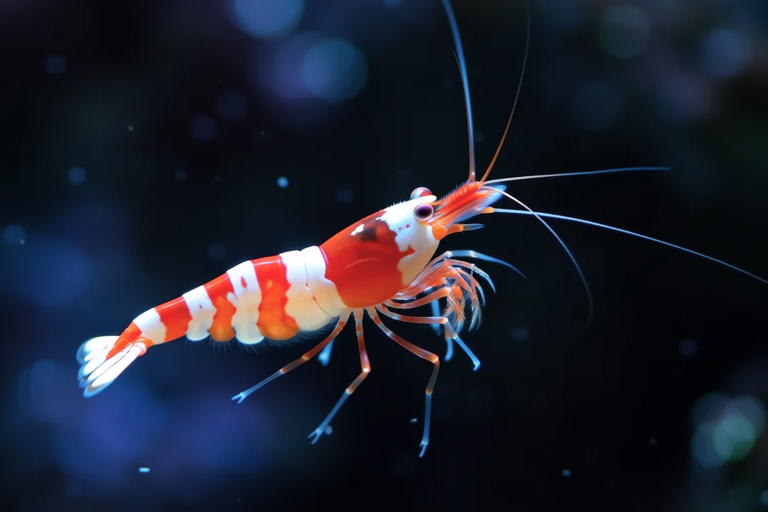
Among the vibrant array of creatures that grace aquariums, coral shrimp stand out as both visually captivating and relatively easy to care for. Their translucent bodies, adorned with striking patterns, make them a favorite among aquarists. Whether you’re a novice just diving into the world of aquatic pets or an experienced hobbyist looking to expand your collection, coral shrimp offer a rewarding experience. This guide aims to provide comprehensive insights into their care, ensuring a thriving environment for these delightful creatures.
Setting Up the Perfect Habitat
The first step towards successful coral shrimp care is creating an ideal living space. Coral shrimp thrive in environments that mimic their natural habitats. For beginners, it’s essential to start with a well-established tank, ideally at least 10 gallons, though larger tanks offer more stability. Ensure the water temperature stays between 72-78°F (22-26°C) and maintain a pH level around 8.1-8.4. Regular water changes are crucial; aim for about 10% weekly to keep nitrate levels low.
Advanced aquarists might consider incorporating live rock and sand into the setup. Live rock provides hiding spots and promotes beneficial bacteria growth, while sand mimics natural seabeds. Additionally, ensure adequate filtration and gentle water flow to prevent stress.
Dietary Needs
Understanding what coral shrimp eat is key to keeping them healthy. These omnivores feed on algae, detritus, and small organisms. In captivity, they can be fed a variety of foods, including commercial shrimp pellets, algae wafers, and blanched vegetables like spinach or zucchini. It’s advisable to supplement their diet with occasional treats such as frozen brine shrimp or daphnia.
For beginners, it’s recommended to introduce a diverse diet gradually to avoid digestive issues. Advanced aquarists might experiment with live foods to enhance coloration and overall vitality. However, ensure any live food is free from parasites to prevent introducing harmful elements into the tank.
Common Health Issues
Like any aquatic creature, coral shrimp can face health challenges. One common issue is molting difficulties, which can occur if the shrimp lacks proper calcium or if environmental conditions are suboptimal. To support healthy molting, provide ample hiding spots and include calcium supplements in their diet.
Another prevalent problem is bacterial infections, often signaled by lethargy, loss of appetite, or discolored shells. Maintaining pristine water quality through regular cleaning and testing helps prevent such infections. If symptoms persist, consult a veterinarian specializing in aquatic animals for appropriate treatment.
Tips for Breeding
Breeding coral shrimp can be a rewarding endeavor but requires careful planning. The process starts with selecting healthy adult shrimp, typically over one year old. Ensure the breeding tank is spacious and includes plenty of hiding spots and plants for privacy. Water parameters should be meticulously maintained, with particular attention to salinity levels, which can influence fertility.
Beginners might find it easier to start with pairs rather than groups to reduce competition. Advanced aquarists can attempt larger colonies but should monitor closely for aggressive behaviors that could harm weaker individuals. After mating, female shrimp carry eggs under their tails until hatching. Patience and attention to detail are crucial during this phase.
The Importance of Regular Monitoring and Maintenance
Regardless of skill level, consistent observation and upkeep are vital for long-term success. Regularly check water parameters, noting any deviations that could indicate underlying issues. Cleaning equipment and performing water changes diligently help maintain a stable environment. Additionally, observing the behavior and appearance of your shrimp can alert you to potential problems early, allowing for timely interventions.
Supportive communities and resources, such as forums and local clubs, can provide valuable insights and encouragement. Engaging with fellow enthusiasts fosters learning and shared experiences, enriching the hobbyist journey.
In conclusion, caring for coral shrimp involves balancing thoughtful preparation, attentive observation, and ongoing adaptation. By following these guidelines, both beginners and experts can enjoy the beauty and joy of these fascinating creatures. Remember, every tank setup is unique, so tailor advice to suit your specific circumstances for optimal results.
