Siberian Huskies Unveiled: Myths, Facts, and Furry Realities
Welcome to the fascinating world of Siberian huskies! These majestic dogs have captured the hearts of many with their striking blue eyes, thick coats, and playful personalities. However, amidst the admiration, several misconceptions surround these beautiful creatures. In this article, we will debunk some common myths, delve into the facts, and share our furry realities of owning a Siberian husky.
Debunking Common Myths About Siberian Huskies
Myth 1: Siberian Huskies Are Ideal Indoor Pets
One of the most prevalent myths is that Siberian huskies make perfect indoor companions. While they can adapt to indoor life, it’s crucial to understand their origins and exercise needs. Siberian huskies were bred to work in harsh Arctic conditions, where they would cover vast distances daily. As such, they have high energy levels and require regular physical activity to stay healthy and happy. Without sufficient exercise, huskies may become destructive or develop behavioral issues due to pent-up energy.
Myth 2: Siberian Huskies Thrive in Warm Climates
Another misconception is that Siberian huskies can easily adapt to warm climates. While they have a thick double coat that helps them withstand cold temperatures, this same coat can cause discomfort in hot weather. Huskies are prone to overheating, especially if they don’t have access to shade, water, and proper ventilation. It’s essential to provide them with a cool environment during hot days to prevent heatstroke and other related health issues.
Facts About Siberian Huskies
Origin
Siberian huskies originated from the Chukchi people of Northeastern Asia. These indigenous tribes bred huskies for sled racing and herding reindeer. The dogs’ endurance, strength, and resilience made them invaluable companions in the harsh Arctic conditions. Today, Siberian huskies are cherished for their beauty, intelligence, and loyalty.
Physical Characteristics
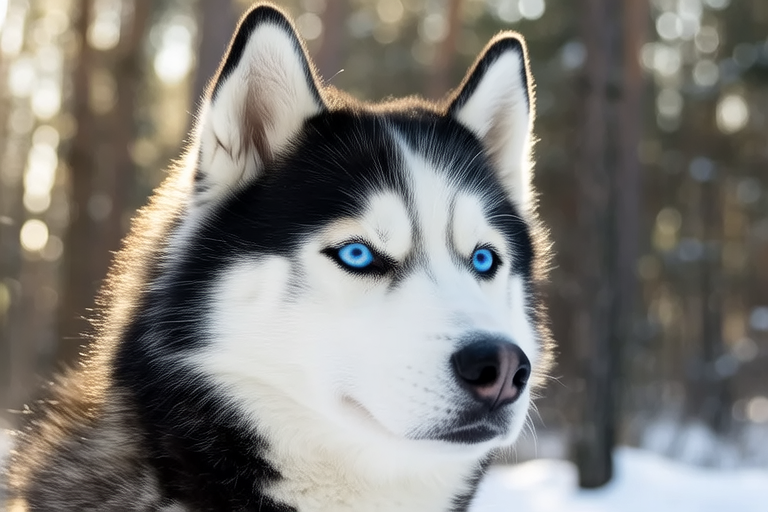
Siberian huskies are medium-sized dogs with a distinctive appearance. They typically weigh between 35 to 60 pounds and stand around 20 to 24 inches tall at the shoulder. Their most recognizable feature is their striking blue or multi-colored eyes, which add to their captivating allure. Other notable traits include their thick, double-layered fur, which provides insulation against extreme cold, and their strong, muscular bodies designed for stamina and endurance.
Typical Behaviors
Huskies are known for their friendly and outgoing personalities. They are generally good with children and other animals, making them excellent family pets. However, their independent nature can sometimes lead to stubbornness, especially when training. Consistency and positive reinforcement are key to successfully training a Siberian husky. Additionally, huskies are pack-oriented dogs that thrive on companionship and social interaction. They enjoy spending time with their families and are often found seeking attention and affection.
Exercise Needs
As mentioned earlier, Siberian huskies have high energy levels and require ample exercise to maintain their physical and mental well-being. Daily walks or runs are essential, but they also benefit from opportunities for free play and exploration. Agility courses, fetch games, and swimming are great ways to keep huskies engaged and entertained. Providing them with a stimulating environment helps prevent boredom and destructive behavior.
Dietary Requirements
Proper nutrition is vital for maintaining a Siberian husky’s health and vitality. A balanced diet rich in proteins, fats, and carbohydrates is recommended. High-quality dog food specifically formulated for active breeds is ideal. It’s important to consult with a veterinarian to determine the appropriate portion sizes based on the dog’s age, weight, and activity level. Additionally, fresh water should always be available to keep them hydrated, especially during hot weather.
Grooming Tips
Siberian huskies have a dense double coat that requires regular grooming to prevent matting and ensure overall hygiene. Brushing them at least twice a week is recommended, with more frequent brushing during shedding seasons. This helps remove loose hair and distribute natural oils throughout the coat. Bathing should be done sparingly, usually every few months, to avoid stripping the coat of its natural oils. Regular nail trimming, ear cleaning, and dental care are also important aspects of their grooming routine.
Personal Insights and Anecdotes
Living with a Siberian husky is an enriching experience filled with joy, challenges, and unforgettable moments. One of the most rewarding aspects of owning a husky is their unwavering loyalty. Despite their independent streak, they form deep bonds with their human families and are always ready to offer comfort and companionship. Their intelligence makes them quick learners, though patience is required during training sessions. Huskies are also incredibly adaptable, adjusting to new environments and situations with ease.
However, it’s essential to be prepared for their energetic nature. Huskies are notorious escape artists and will go to great lengths to explore their surroundings. Ensuring they have a secure yard or leash is crucial to prevent them from wandering off. Additionally, their vocal tendencies can be both endearing and challenging. Huskies are known for howling and barking, which can be triggered by various stimuli. Teaching them basic commands and providing outlets for their energy can help manage excessive barking.
In conclusion, Siberian huskies are magnificent creatures with unique qualities that make them beloved pets. By understanding their origins, physical characteristics, and behavioral traits, potential owners can better prepare themselves for the joys and challenges of living with a Siberian husky. With proper care, training, and attention, these loyal, intelligent, and energetic dogs can bring immense happiness and companionship to their families.
