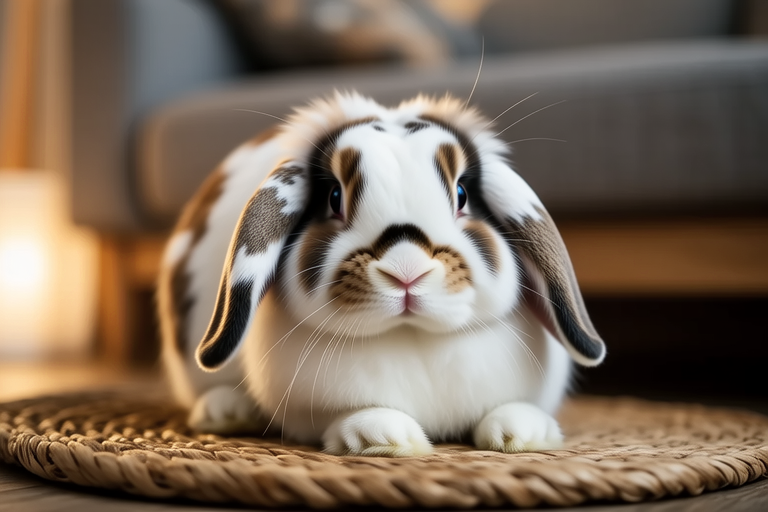
Everything You Need to Know Before Adopting a Guinea Pig as a Pet
Welcome to the wonderful world of guinea pigs! These delightful, social creatures have been charming pet owners for centuries. If you’re considering adopting a guinea pig, it’s essential to understand their unique needs and behaviors. This guide will help you make informed decisions and provide a loving home for your new furry friend.
Understanding Guinea Pig Behavior
Guinea pigs are highly social animals that thrive on companionship. They enjoy being around other guinea pigs or humans and can become depressed if left alone for long periods. They communicate through vocalizations, such as chirping, squeaking, and purring, which can express happiness, distress, or excitement. It’s important to observe these sounds and body language to understand your guinea pig’s mood.
Guinea pigs are also curious and playful, often exploring their surroundings with enthusiasm. They may chew on anything within reach, so it’s crucial to provide safe toys and materials to satisfy their natural chewing instincts. Additionally, they have a strong sense of smell and rely heavily on scent to navigate and identify objects and other guinea pigs.
Dietary Needs
A well-balanced diet is vital for your guinea pig’s health. Their diet should primarily consist of hay, fresh vegetables, and a small amount of high-quality guinea pig pellets. Timothy hay is especially beneficial for dental health and digestion. Fresh water should always be available, and it’s recommended to provide a water bottle with a sipper tube.
Vitamin C is essential for guinea pigs, as they cannot produce it themselves. Incorporate vitamin C-rich foods like bell peppers, broccoli, and strawberries into their diet. However, avoid feeding them too much citrus fruit, as it can cause digestive issues. Also, limit treats and sugary snacks to prevent obesity and tooth decay.
Housing Requirements
Choosing the right living space is crucial for your guinea pig’s comfort and well-being. A spacious cage is necessary, with a minimum size of 7.5 square feet per guinea pig. The cage should have a solid floor to prevent injuries from wire mesh bottoms. Provide plenty of bedding, such as shredded paper or wood shavings, ensuring it’s free from dust and chemicals.
In addition to a comfortable sleeping area, include tunnels, hammocks, and hideouts to create an enriching environment. These items stimulate mental and physical activity, reducing boredom and promoting overall health. Position the cage away from direct sunlight, drafts, and excessive noise to maintain a stress-free habitat.
Health Care Basics
Regular veterinary check-ups are essential for maintaining your guinea pig’s health. Schedule annual visits and consult a veterinarian specializing in exotic pets. Common health issues include dental problems, respiratory infections, and skin conditions. Early detection and treatment are crucial for preventing more severe complications.
To monitor your guinea pig’s health, familiarize yourself with normal behaviors and signs of illness. Watch for changes in appetite, energy levels, and litter habits. Keep an eye on their coat and skin for any abnormalities. Regular grooming, including nail trimming and teeth checking, is also important for maintaining good hygiene.
Exercise Needs
Despite their small size, guinea pigs require regular exercise to stay healthy and happy. Daily playtime outside the cage is recommended, allowing them to explore and burn off excess energy. Create a safe, enclosed area with non-toxic plants and supervise them closely to prevent accidents.
Interactive toys, such as balls and tunnels, encourage physical activity and mental stimulation. Rotate toys periodically to keep things interesting and engaging. Exercise promotes cardiovascular health, muscle strength, and weight management, contributing to a longer, healthier life for your guinea pig.
Cost of Ownership
Adopting a guinea pig comes with various expenses, including initial setup costs and ongoing maintenance. Expect to spend approximately $200-$300 for the cage, bedding, food, and accessories. Regular veterinary care, including vaccinations and emergency treatments, can add up over time. Additional costs may include toys, treats, and grooming supplies.
While the initial investment might seem significant, responsible pet ownership ensures your guinea pig receives proper care and attention. Consider these expenses when budgeting for your new pet and plan accordingly to avoid financial strain.
Tips for Bonding with Your New Pet
Building a strong bond with your guinea pig takes time and patience. Start by spending quiet time near their cage, allowing them to become accustomed to your presence. Gradually introduce gentle handling, speaking softly and moving slowly to avoid startling them.
Positive reinforcement, such as offering treats and praise, encourages trust and affection. Spend quality time together each day, engaging in activities like playtime and grooming. Establishing routines helps your guinea pig feel secure and builds a lasting relationship based on mutual trust and respect.
By understanding guinea pig behavior, meeting their dietary needs, providing suitable housing, attending to health care basics, ensuring regular exercise, managing costs, and fostering a strong bond, you’ll be well-prepared to provide a loving home for your new pet. With dedication and care, your guinea pig will bring joy and companionship for years to come.
