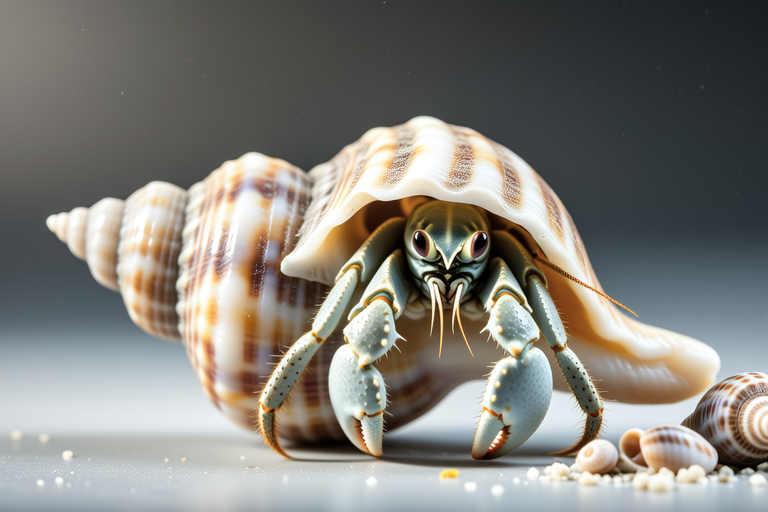
Hermit Crab Housing Hacks You Need to Know
Hermit crabs are fascinating creatures that make wonderful pets for those who appreciate unique and interactive animals. These crustaceans have specific housing needs that must be met to ensure their health and happiness. In this comprehensive guide, we will explore essential tips for selecting appropriate shells, maintaining optimal humidity levels, creating a safe and stimulating environment, and providing necessary accessories for hermit crab habitats. We’ll also discuss the importance of regular shell swapping and the need for various shell sizes, as well as substrate choices that support natural burrowing behaviors.
Selecting Appropriate Shells
The most recognizable feature of hermit crabs is their reliance on shells for protection. As they grow, hermit crabs outgrow their shells and need to find new ones. It’s crucial to provide a variety of shells in different sizes and shapes to accommodate your pet’s changing needs. The ideal shell should fit snugly over the hermit crab’s body but allow room for growth. Shells with smooth interiors are preferable, as rough or jagged surfaces can cause injury.
When choosing shells, consider the following:
- Variety: Offer a range of shell types, from small and delicate to large and robust, to cater to different hermit crab species and individual preferences.
- Condition: Inspect each shell for cracks, holes, or other damage that could compromise its integrity. Avoid shells with excessive algae or debris.
- Size: Provide shells that are slightly larger than your hermit crab’s current size to allow for future growth.
Hermit crabs are highly social creatures and may compete for desirable shells. To minimize stress and conflict, it’s essential to offer a sufficient number of shells for all crabs in the enclosure. Ideally, you should have at least two to three times as many shells as there are hermit crabs.
Maintaining Optimal Humidity Levels
Hermit crabs thrive in humid environments, so maintaining optimal humidity levels is critical for their well-being. Most hermit crabs require a relative humidity of 70-80%. If the air is too dry, your hermit crabs may become dehydrated and develop health issues. Conversely, overly moist conditions can lead to mold growth and respiratory problems.
To maintain proper humidity:
- Use a hygrometer: This tool measures the relative humidity in the enclosure, allowing you to monitor and adjust as needed.
- Provide water sources: Include shallow dishes filled with fresh, non-chlorinated water for drinking and soaking. Some hermit crabs prefer saltwater, so it’s a good idea to offer both options.
- Humidifiers and misters: Consider using a humidifier or mister to increase moisture levels in the enclosure, especially if you live in a dry climate.
- Air circulation: While humidity is important, it’s equally vital to ensure proper air circulation to prevent stagnant air and mold growth.
Regularly check the humidity levels and adjust the enclosure’s setup as necessary to keep your hermit crabs healthy and happy.
Creating a Safe and Stimulating Environment
Hermit crabs are curious and active creatures that enjoy exploring their surroundings. Creating a habitat that is both safe and stimulating is key to ensuring their physical and mental well-being. A well-designed enclosure should include plenty of hiding spots, climbing structures, and areas for digging and burrowing.
Some ideas for enriching your hermit crab’s environment include:
- Hiding spots: Provide a variety of hiding places, such as cork bark, coconut huts, or commercially available shelters.
- Climbing structures: Incorporate branches, driftwood, or commercially designed climbing toys to encourage exercise and exploration.
- Burrowing areas: Hermit crabs love to dig and burrow, so include a deep layer of substrate (discussed later) to satisfy this natural behavior.
- Toys and accessories: Offer toys that promote interaction and play, such as small bells, wooden blocks, or plastic tunnels.
It’s important to regularly rotate and rearrange items within the enclosure to keep your hermit crabs engaged and mentally stimulated. This also helps prevent boredom and encourages natural behaviors.
Providing Necessary Accessories
In addition to the main components of the habitat, there are several accessories that can enhance your hermit crab’s quality of life. These include:
- Water dishes: Provide separate dishes for fresh and saltwater, ensuring that both are shallow enough for easy access.
- Food dishes: Use heavy, non-tippable dishes for feeding to prevent food waste and maintain cleanliness.
- Substrate: Choose a substrate that supports natural burrowing behaviors while being safe for your hermit crabs. More on this below.
- Decorative elements: Add plants, rocks, and other decorative items to create a visually appealing and enriching environment.
Ensure all accessories are clean and free from harmful chemicals. Regular cleaning and maintenance of the enclosure and its contents are essential for preventing disease and promoting a healthy living space.
The Importance of Regular Shell Swapping
As mentioned earlier, hermit crabs outgrow their shells and require new ones as they mature. Providing a wide selection of shells is crucial, but it’s also important to facilitate regular shell swapping. Encourage your hermit crabs to try on new shells by gently removing them from their current homes and placing them near a selection of available options. Some hermit crabs may be reluctant to change shells, so patience and persistence are key.
Observe your hermit crabs closely to determine when they’re ready for a new shell. Signs that a hermit crab may need a new shell include:
- The current shell is too small or too large.
- The hermit crab frequently tries to exit its shell or appears uncomfortable.
- The shell shows signs of wear or damage.
Always respect your hermit crab’s preference when it comes to shell selection. Never force a hermit crab into a new shell, as this can cause stress and injury. Instead, provide ample opportunities for natural shell swapping to occur.
Need for Various Shell Sizes
When setting up the substrate, consider the following:
- Depth: Aim for a substrate depth of at least four inches to allow for adequate burrowing and tunneling.
- Composition: Choose a substrate that mimics the natural environment of hermit crabs. Coconut fiber, crushed coral, and calcium sand are popular choices.
- Moisture: Keep the substrate damp but not wet. Too much moisture can lead to mold growth and respiratory issues, while too little can cause dehydration.
- Clumping: Avoid substrates that clump together, as this can hinder burrowing and create unsafe conditions.
Regularly check the substrate for signs of mold, mildew, or contamination. Clean and replace the substrate as needed to maintain a healthy living environment for your hermit crabs.
Conclusion
By following these housing hacks, you can create a thriving habitat for your hermit crabs that meets their physical and emotional needs. Remember to regularly inspect and maintain the enclosure, provide a variety of shells and accessories, and monitor humidity levels to ensure optimal living conditions. With proper care and attention, your hermit crabs will lead long, healthy, and happy lives.
