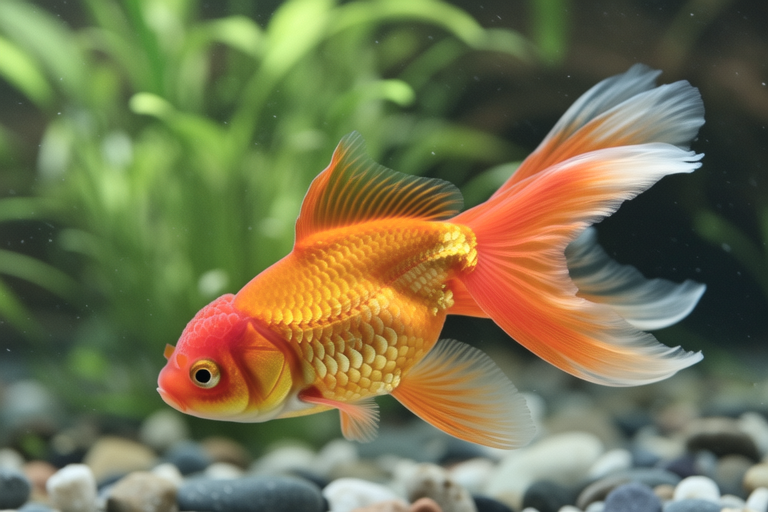
Goldfish Lifespan: Tips to Extend Your Pet’s Life
Welcome to your comprehensive guide on extending the lifespan of your beloved goldfish! Goldfish are popular pets known for their vibrant colors and playful nature. However, many people underestimate the longevity these fish can achieve with proper care. The average lifespan of a goldfish is around 10 years, but with optimal conditions, some can live up to 20 years or more. This article will explore various aspects of goldfish care, from setting up the perfect tank environment to maintaining water quality and providing a balanced diet. We’ll also cover common health issues and signs of illness to watch out for, all aimed at ensuring your goldfish enjoys a long and healthy life.
Understanding Goldfish Lifespan
The lifespan of a goldfish can vary significantly depending on several factors, including genetics, diet, living conditions, and overall care. While genetics play a role, much of a goldfish’s lifespan is within your control as an owner. Providing a stimulating and healthy environment is crucial for maximizing your pet’s longevity. Factors such as water quality, tank size, diet, and regular care all contribute to the health and happiness of your goldfish. By understanding these elements and implementing best practices, you can extend your goldfish’s life considerably.
Optimal Tank Setup
Creating the right tank environment is the first step towards ensuring your goldfish lives a long and healthy life. A well-designed aquarium provides a safe and stimulating space that mimics the natural habitat of your fish. Here are some key considerations for setting up an optimal tank:
- Tank Size: Larger tanks offer more space for swimming and better water quality. A general rule is to provide at least 20 gallons of water per goldfish. Bigger tanks also allow for more effective filtration systems, which are essential for maintaining clean water.
- Filtration System: An efficient filtration system is vital for removing waste and maintaining water clarity. Choose a filter that matches the volume of your tank and regularly clean it to prevent clogs.
- Heating and Lighting: Goldfish are cold-water fish, so they don’t require a heater unless the ambient temperature in your home drops below 68°F (20°C). However, consistent temperatures help reduce stress. Proper lighting is important for simulating day-night cycles and promoting plant growth if you have live plants.
- Decorations and Hiding Places: Adding rocks, caves, and plants creates a more natural environment and provides hiding spots that reduce stress. Be mindful of sharp edges that could harm your fish.
Water Quality Maintenance
Maintaining high water quality is one of the most critical aspects of goldfish care. Poor water quality can lead to stress, disease, and a shortened lifespan. Here are some tips for keeping your goldfish’s water pristine:
- Regular Water Changes: Perform partial water changes weekly or bi-weekly, replacing about 10-20% of the tank water each time. This helps remove accumulated toxins and keeps the water fresh.
- Water Parameters: Test your water regularly for ammonia, nitrite, and pH levels. Ammonia and nitrite should be undetectable, while pH levels should stay between 6.5 and 8.0. Adjusting these parameters as needed ensures a stable environment.
- Aeration: Good oxygenation is essential for your goldfish’s health. Ensure that your tank has adequate surface agitation to promote gas exchange. Air stones and filters with strong flow rates can help maintain sufficient oxygen levels.
- Prevent Algae Growth: Excessive algae can indicate poor water quality or too much light. Use algae-eating snails, limit exposure to direct sunlight, and keep lights on for no more than 8-10 hours daily.
Appropriate Diet
Feeding your goldfish a balanced and nutritious diet is crucial for their health and longevity. Overfeeding can lead to obesity, swim bladder disorders, and poor water quality. Conversely, underfeeding can result in malnutrition and weakened immunity. Here are some guidelines for feeding your goldfish:
- Types of Food: High-quality flake food, pellets, and occasional live or frozen foods like brine shrimp, bloodworms, and daphnia provide a balanced diet. Avoid over-relying on one type of food and rotate different options for variety.
- Portion Control: Feed your goldfish small amounts of food two to three times daily. They should consume all food within a few minutes. Uneaten food can decompose and degrade water quality.
- Variety: Incorporate vegetables into their diet once or twice a week. Blanched zucchini, peas, and spinach offer valuable nutrients and fiber. Remove any uneaten vegetable matter after 24 hours.
- Supplements: Consider adding vitamin supplements to their food to ensure they receive all necessary nutrients. Some commercial foods already contain vitamins, so check the labels before supplementing.
Common Health Issues to Avoid
Despite your best efforts, goldfish can still encounter health problems. Recognizing and addressing these issues promptly is essential for maintaining your fish’s health. Here are some common health issues and how to prevent them:
- Swim Bladder Disorder: This condition affects a goldfish’s ability to swim properly. It can be caused by overeating, constipation, or infections. Prevent it by feeding appropriate portions and including fiber-rich vegetables in their diet.
- Fungal Infections: Fungal infections often occur when fish are stressed or injured. Keep water quality high and avoid overcrowding to minimize stress. Treat infections with antifungal medications as recommended by a veterinarian.
- Bacterial Infections: Bacteria thrive in dirty water, so maintaining excellent water quality is crucial. Symptoms include lethargy, loss of appetite, and visible sores. Seek veterinary advice if you suspect a bacterial infection.
- Parasites: Parasites can cause itching and irritation. Quarantine new fish before introducing them to your main tank to prevent the spread of parasites. Regular water changes and good hygiene practices can also help.
Regular Care and Monitoring Signs of Illness
Proactive care and regular monitoring are key to catching potential health issues early. Early intervention can prevent minor problems from escalating into serious illnesses. Here are some tips for ongoing care:
- Daily Observations: Spend a few minutes each day observing your goldfish. Look for changes in behavior, appearance, or appetite. Healthy goldfish are active, eat well, and have clear eyes and fins.
- Water Testing: Regularly test the water for ammonia, nitrite, nitrate, pH, and hardness. Any significant changes may indicate underlying issues that need attention.
- Cleaning Schedule: Establish a cleaning schedule for your tank. This includes vacuuming the substrate, cleaning filters, and performing water changes. Consistency is key to maintaining a healthy environment.
- Consult Professionals: If you notice unusual symptoms or suspect a health issue, consult with a veterinarian specializing in aquatic animals. They can provide expert advice and treatment options.
In conclusion, extending your goldfish’s lifespan requires dedication to creating a nurturing and healthy environment. From setting up an optimal tank to maintaining water quality, providing a balanced diet, and monitoring for signs of illness, every aspect of care plays a role in ensuring your goldfish enjoys a long and happy life. With the right knowledge and commitment, you can give your goldfish the best chance at reaching its full potential. Happy fishkeeping!
