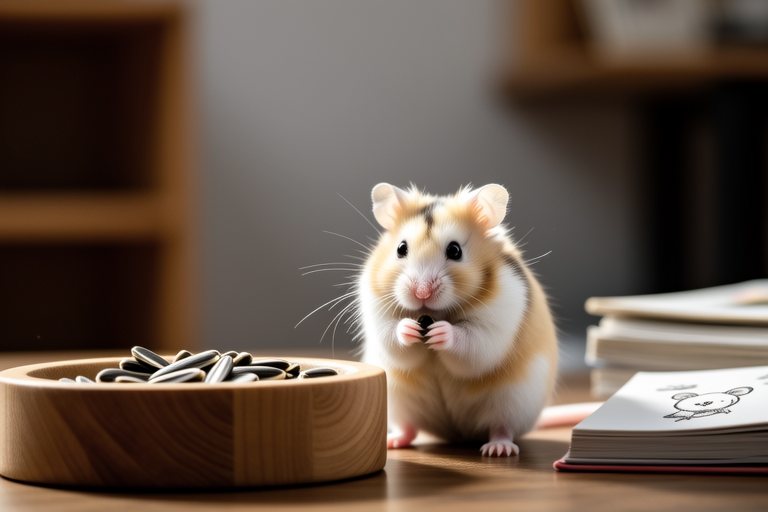
5 Surprising Facts About Hamsters Every Owner Should Know
Hamsters, often seen as simple pets, have a fascinating array of behaviors and biological traits that can surprise even the most seasoned owners. From their unique sleeping patterns to their complex social structures, these small rodents offer more than meets the eye. Here are five surprising facts every hamster owner should know, offering both insight and inspiration for better care and understanding.
1. Hamsters Hibernate in the Wild
One of the lesser-known aspects of hamster biology is their ability to hibernate in the wild. Unlike domesticated hamsters, which are kept at stable temperatures, their wild counterparts in Syria experience extreme seasonal changes. When temperatures drop and food becomes scarce, these creatures enter a state of torpor, reducing their metabolic rate significantly to conserve energy. This adaptation allows them to survive harsh winters, a trait that has been observed in other small mammals but is particularly intriguing in hamsters due to their generally active nature. Understanding this aspect of their biology can help owners appreciate the evolutionary background of their pets and recognize signs of stress or malnutrition.
2. They Have a Remarkable Sense of Smell
Did you know that hamsters possess an extraordinary sense of smell? Their olfactory system is highly developed, allowing them to detect scents from considerable distances. This keen sense is vital for navigation, finding food, and recognizing other hamsters. Interestingly, hamsters use scent marking to communicate with others, leaving chemical signals that can indicate their presence, territory, or reproductive status. Owners can take advantage of this by keeping their hamster’s environment clean and introducing new smells gradually to avoid overwhelming their pet. This heightened sensitivity also means that strong odors, like perfumes or cleaning products, can cause distress, making it important to choose mild, non-toxic alternatives for maintaining hygiene.
3. Hamsters Have Complex Social Structures
Contrary to popular belief, hamsters are not entirely solitary animals. In the wild, they exhibit intricate social behaviors that include forming groups for protection and resource sharing. However, this does not mean that all hamsters get along in captivity. Syrian hamsters, especially, are known to be territorial and aggressive towards each other once they reach adulthood. Understanding these social dynamics can prevent conflicts among cagemates and improve the well-being of your pet. It’s crucial for owners to provide ample space and resources for multiple hamsters, ensuring that each one has its own area to retreat to if necessary. Observing and respecting these natural tendencies can lead to a healthier and happier living environment for your hamster.
4. They Are Nocturnal Creatures
Hamsters are primarily nocturnal animals, meaning they are most active during the night and sleep during the day. This behavior is an adaptation to their natural habitat, where they can avoid predators and the hottest parts of the day. Owners should be aware of this schedule when interacting with their hamsters, as disturbing them during their sleep can cause stress and affect their health. Providing a quiet, darkened area for them to rest during the day can help mimic their natural environment and ensure they get the rest they need. Understanding and respecting their circadian rhythms will contribute to a more harmonious relationship between the pet and its owner.
5. Hamsters Use Their Pouches for More Than Just Food Storage
One of the most iconic features of hamsters is their cheek pouches, used for storing food. However, these pouches serve additional purposes that are less commonly discussed. Besides carrying food back to their nests, hamsters use their pouches to transport bedding material and nesting items. This behavior demonstrates their resourcefulness and adaptability, as they prepare their living spaces with the same diligence as they do for food storage. Additionally, some species use their pouches as a defense mechanism, inflating them to appear larger and potentially deter predators. Recognizing these versatile uses can deepen an owner’s appreciation for their pet’s ingenuity and survival instincts.
Understanding these surprising facts about hamsters can enrich the bond between pet and owner, offering a deeper connection through knowledge and empathy. By recognizing their unique needs and behaviors, owners can provide a more fulfilling and stimulating environment for their pets. For those interested in learning more about hamster care, there are numerous resources available, including books, articles, and community forums dedicated to the care and well-being of these delightful creatures. Further exploration can lead to even more discoveries and a greater appreciation for these fascinating animals.
