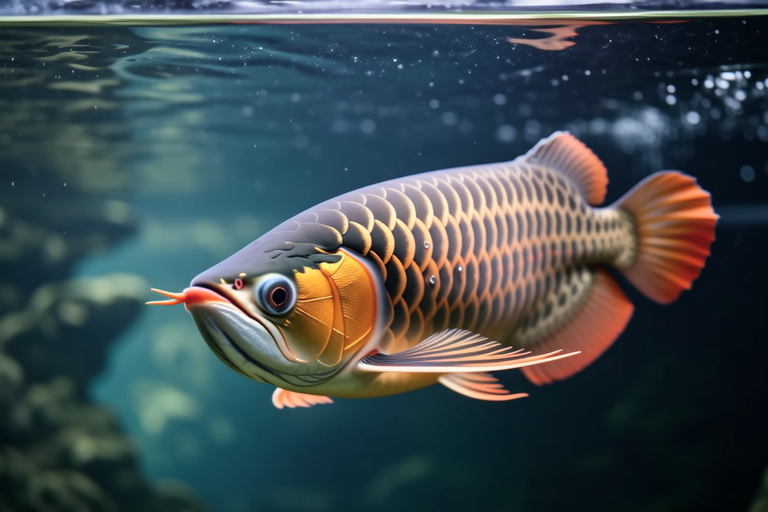
Arowana Enthusiast’s Dream: Top 10 Myths Busted!
As an arowana enthusiast, you’ve likely come across various myths and misconceptions about these majestic creatures. From their care requirements to their supposed mystical properties, it’s easy to get lost in misinformation. This article aims to clarify some of the most common myths surrounding arowana fish, offering scientific explanations, real-life examples, and practical advice for both novice and experienced aquarists.
Myth 1: Arowanas Require Saltwater
One of the most prevalent myths is that arowanas need saltwater to thrive. In reality, arowanas are freshwater fish native to Southeast Asia, primarily found in rivers and lakes. They are highly adapted to life in freshwater environments, and introducing salt can be harmful. The misconception may stem from the fact that some aquariums use small amounts of salt as a general tonic for fish health, but this is not necessary for arowanas.
Scientifically, arowanas are osmoregulators, meaning they regulate their internal water balance independently of their environment. Adding salt could disrupt this delicate balance, leading to stress or even death. Always ensure your arowana’s tank is equipped with clean, dechlorinated freshwater, and avoid adding any unnecessary substances.
Myth 2: Arowanas Are Aggressive Predators
Many people believe that arowanas are aggressive predators that will attack anything in their path. While it’s true that arowanas are powerful swimmers and formidable hunters, they are generally peaceful and prefer to live harmoniously with other fish. However, they are known to be territorial, especially during breeding seasons.
In real-life scenarios, arowanas are more likely to coexist peacefully with other large, robust species such as catfish or plecos. Avoid keeping them with smaller, timid fish that might become prey. It’s crucial to provide ample space and hiding spots for all inhabitants in the tank to reduce stress and promote harmony.
Myth 3: Arowanas Can Predict Earthquakes
The belief that arowanas can predict earthquakes is widespread, especially in regions like Malaysia and Singapore. This myth has been perpetuated by anecdotal evidence rather than scientific proof. There’s no substantial evidence to support the idea that fish, including arowanas, can sense seismic activity before humans can.
Instead, changes in arowana behavior, such as increased swimming or jumping, might be attributed to environmental factors like temperature fluctuations, changes in water quality, or stress from overcrowding. Regular monitoring of your tank’s conditions can help you identify and address these issues promptly.
Myth 4: Arowanas Need Large Tanks
While it’s true that arowanas require spacious tanks, the notion that they need excessively large ones is exaggerated. The size of the tank depends on the species and age of the arowana. For example, juvenile arowanas can thrive in a 100-gallon tank, while adults might require a 250-gallon tank or larger.
It’s essential to consider the growth rate and eventual size of your arowana when selecting a tank. Providing adequate space ensures that your pet can swim comfortably and maintain its physical and mental well-being. Remember, overcrowding can lead to stress, disease, and poor water quality.
Myth 5: Arowanas Only Eat Live Food
Another common myth is that arowanas exclusively eat live food. While they do have a preference for live prey, they can also adapt to a diet of frozen or prepared foods. Offering a varied diet is crucial for their health and nutrition.
Real-life examples show that many arowana owners successfully feed their pets a combination of live, frozen, and prepared foods. Including high-quality pellets and flakes alongside live or frozen shrimp, worms, and feeder fish can provide a balanced diet rich in essential nutrients. Always ensure that the food you offer is appropriate for your arowana’s size and nutritional needs.
Myth 6: Arowanas Require Special Water Conditions
Some aquarists believe that arowanas need specific water conditions, such as a particular pH level or temperature range. While maintaining optimal water conditions is crucial for any fish, arowanas are quite adaptable to a range of parameters within reason.
Scientifically, arowanas thrive in slightly acidic to neutral water (pH 6.5-7.5) with a temperature between 78-82°F (25.5-27.8°C). Regular water testing and maintenance, along with proper filtration and aeration, are key to ensuring a healthy environment for your arowana. It’s important to monitor and adjust these conditions as needed to prevent stress and disease.
Myth 7: Arowanas Cannot Be Kept in Community Tanks
The myth that arowanas cannot be kept in community tanks stems from their reputation as solitary and territorial fish. While it’s true that arowanas can be aggressive towards other fish, they can coexist peacefully in a well-planned community tank.
Practical advice includes selecting tank mates carefully based on size, temperament, and compatibility. Species that can hold their own against arowanas, such as oscars, green terrors, and large cichlids, make suitable companions. Providing plenty of space and hiding spots for all fish can help reduce stress and promote harmony.
Myth 8: Arowanas Are Unpredictable Swimmers
Some aquarists believe that arowanas are unpredictable swimmers, which can be dangerous for both the fish and the tank’s decor. In reality, arowanas are graceful and efficient swimmers. Their unique ability to jump out of the water allows them to catch flying insects and other aerial prey.
To ensure safety, it’s advisable to cover your tank with a secure lid. Additionally, provide ample swimming space and consider placing decorations and plants in areas that won’t obstruct their natural movements. Understanding and respecting their swimming habits can enhance their well-being and prevent accidents.
Myth 9: Arowanas Are Too Expensive to Maintain
The cost of purchasing and maintaining arowanas can be a deterrent for some potential owners. While it’s true that arowanas can be expensive, especially for rare species, they are not prohibitively costly if you plan and budget accordingly.
Investing in a high-quality tank, filtration system, and regular maintenance can help keep costs manageable. Additionally, choosing locally available species and breeders can reduce expenses. By doing your research and planning ahead, you can enjoy the beauty and charm of arowanas without breaking the bank.
Myth 10: Arowanas Have Mystical Properties
Finally, the myth that arowanas possess mystical properties is deeply rooted in cultural beliefs. While these beliefs add to the allure of arowanas, they lack scientific backing. Some cultures associate arowanas with good luck and fortune, and certain superstitions suggest that keeping arowanas can bring prosperity.
From a scientific perspective, there is no evidence to support these claims. Instead, focus on the joy and satisfaction of caring for these magnificent creatures. By providing proper care and attention, you can ensure that your arowana thrives and brings happiness to your home.
In conclusion, busting these myths can help you better understand and care for your arowana. Proper tank setup, diet, and health maintenance are essential for these unique pets. By dispelling these misconceptions, you can create a thriving environment for your arowana and enjoy the rewarding experience of owning one of nature’s most fascinating creatures.
