Unraveling the Unique Traits of the Norwegian Forest Cat
The Norwegian Forest Cat is a captivating breed that has captured the hearts of many cat lovers around the world. This majestic feline, often referred to as the ‘Wegie,’ is a testament to nature’s ingenuity, combining beauty, intelligence, and an endearing personality. Let’s delve into the rich history, unique traits, and fascinating aspects of this breed.
A Historical Journey
The Norwegian Forest Cat has a storied past that dates back over a thousand years. Legends tell of these cats sailing alongside Vikings, protecting their ships from rodents and earning their place in Norse mythology. Historically, they were prized for their hunting prowess and companionship. Their thick, water-resistant coat was well-suited to the harsh Scandinavian winters, making them ideal for outdoor life. It wasn’t until the 1930s that the breed gained official recognition, and today, they are cherished pets in many households.
Physical Characteristics
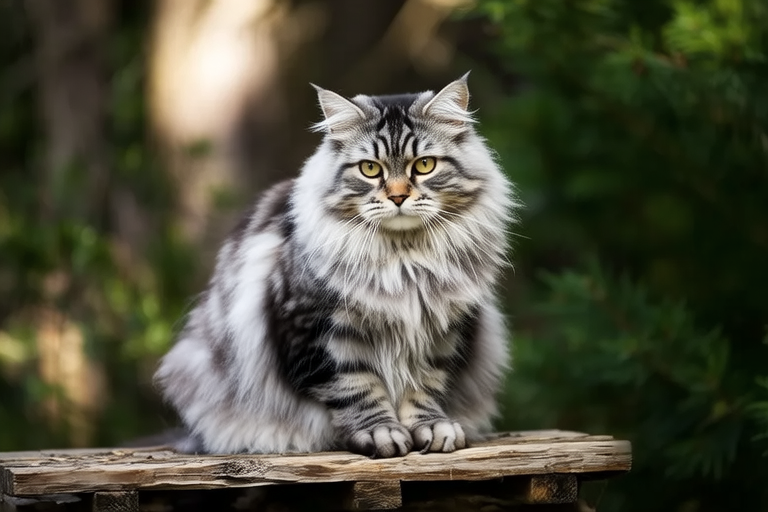
One glance at the Norwegian Forest Cat reveals its striking appearance. They are medium to large-sized cats with robust bodies and strong legs. Their most notable feature is their lush, semi-longhair coat, which is dense and water-repellent. This coat is designed to protect them from the cold, making it perfect for snowy climates. The head is triangular with a straight profile, and their eyes are almond-shaped, typically green or gold. Their tails are long and bushy, adding to their elegant silhouette. Compared to breeds like the Maine Coon, which shares some similarities due to its size and coat, the Norwegian Forest Cat has a more compact build and a slightly shorter, denser coat.
Temperament and Personality
Despite their wild appearance, Norwegian Forest Cats are known for their gentle and affectionate nature. They are highly intelligent and enjoy interactive play, making them excellent companions for families and individuals alike. Unlike some breeds that may be more aloof, the Wegie thrives on human interaction and can form strong bonds with their owners. They are also adaptable, thriving both indoors and outdoors if provided with safe spaces. This adaptability makes them suitable for various living environments, from bustling city apartments to serene countryside homes.
Grooming Needs
Maintaining the Norwegian Forest Cat’s luxurious coat requires regular grooming. Weekly brushing helps prevent matting and keeps their fur healthy. During shedding seasons, particularly in spring and fall, daily brushing may be necessary. Their coat is naturally resilient, so baths are rarely needed unless absolutely required. Their grooming needs are less intensive than those of the Persian, which requires almost daily brushing due to its extremely long, silky coat. Regular nail trimming and dental care are also essential for overall health.
Health Issues
Like all breeds, the Norwegian Forest Cat is prone to certain health issues. Hip dysplasia, heart murmurs, and glycogen storage disease IV are conditions that have been identified in the breed. Early detection through regular veterinary check-ups is crucial. Their robust health and longevity make them a reliable choice for many pet owners. Proper diet and exercise contribute significantly to maintaining their health, ensuring they lead active and fulfilling lives.
Popular Myths Surrounding the Breed
Several myths surround the Norwegian Forest Cat, adding to the mystique of this breed. One common myth is that they are completely independent and require minimal attention. While they are self-sufficient, they still crave companionship and interaction. Another misconception is that their thick coats make them unsuitable for warmer climates. In reality, their adaptable nature allows them to adjust to various temperatures, although they may need extra care in extreme heat. It’s important for potential owners to dispel these myths and understand the true nature of the breed.
Comparison with Similar Breeds
When compared to other breeds, the Norwegian Forest Cat stands out in several ways. Unlike the Siberian, which has a similar appearance but originates from a different region, the Wegie is uniquely adapted to Scandinavian conditions. They share some characteristics with the Maine Coon, such as their large size and water-resistant coats, but the Wegie is generally more compact and has a denser, shorter coat. The Siamese, while known for its vocal nature and sleek physique, lacks the robustness and adaptability of the Norwegian Forest Cat. These comparisons highlight the unique qualities that set the Norwegian Forest Cat apart.
Adaptability and Compatibility
The Norwegian Forest Cat’s adaptability makes it a versatile companion. They are comfortable in various living environments, from small apartments to spacious houses. Their calm demeanor and affectionate nature make them suitable for families with children and other pets. However, they require mental stimulation and physical activity to thrive, especially in indoor settings. Providing toys and climbing structures can help meet their needs. With proper care and attention, the Norwegian Forest Cat can become a beloved member of any household.
Conclusion
The Norwegian Forest Cat is a breed rich in history, unique in appearance, and remarkable in temperament. From their origins in Viking times to their status as cherished pets today, these cats continue to captivate hearts worldwide. Their adaptability, combined with their loving and intelligent nature, makes them an excellent choice for many families. By understanding their specific needs and dispelling common myths, potential owners can ensure a happy and healthy life for their new furry friend. Whether you’re a seasoned cat enthusiast or considering adopting your first cat, the Norwegian Forest Cat offers a rewarding and enriching experience.
