Exploring Siberian Huskies: History, Characteristics, and Misconceptions
Siberian Huskies are among the most recognizable dog breeds, known for their striking appearance and spirited demeanor. These dogs have a rich history that dates back centuries, and they possess unique physical and behavioral traits that make them stand out from other breeds. This article delves into the origins, history, physical attributes, and common misconceptions about Siberian Huskies, providing valuable insights for both seasoned dog enthusiasts and prospective owners.
The Origins and Role of Siberian Huskies
Siberian Huskies trace their roots back to Siberia, where they were bred by the Chukchi people, an indigenous group from northeastern Asia. These dogs were originally developed as working dogs, specifically for pulling sleds across vast snowy terrains. The Chukchi relied on these hardy animals for transportation, hunting, and protection. Over time, Siberian Huskies became renowned for their endurance, strength, and adaptability to harsh climates.
The breed’s journey to North America began in the early 20th century when they were brought to Alaska to participate in sled dog races. In 1908, a team of Siberian Huskies won the All-Alaska Sweepstakes, a prestigious sled dog race. Their success brought attention to the breed, leading to increased popularity and recognition. In 1930, the American Kennel Club officially recognized the Siberian Husky, solidifying its place in the world of purebred dogs.
Adaptation to Extreme Climates
Siberian Huskies are exceptionally well-adapted to cold environments. Their thick double coat, consisting of a soft undercoat and a coarser outer layer, provides excellent insulation against freezing temperatures. Additionally, their large paws with webbed toes help them navigate snow-covered terrain efficiently. This adaptation allowed them to thrive in the challenging conditions of Siberia and later in other cold regions around the world.
Despite their cold-weather adaptations, Siberian Huskies can also tolerate warmer climates if given proper care. However, it is crucial for owners living in hot areas to provide ample shade, water, and ventilation to prevent overheating. Regular grooming is essential to keep their coats healthy and free from mats, especially during shedding seasons.
Physical Traits and Behavioral Patterns
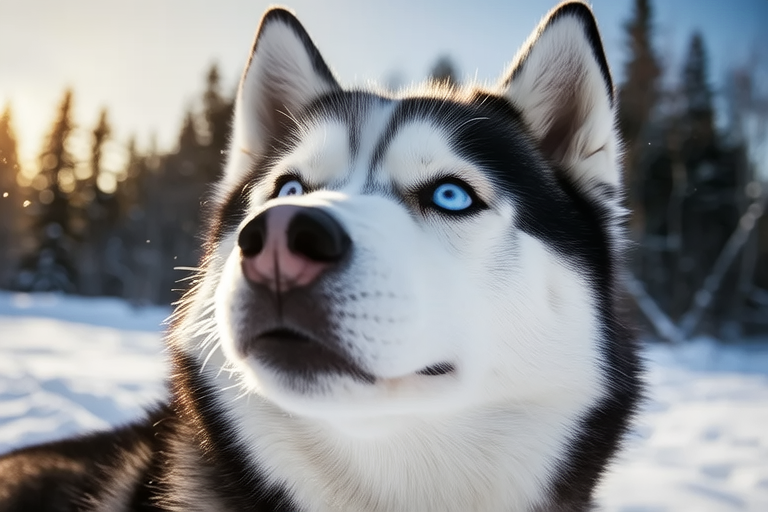
Siberian Huskies are medium-sized dogs, typically weighing between 35 to 60 pounds and standing approximately 20 to 24 inches tall at the shoulder. They have a wolf-like appearance, with a broad head, erect ears, and piercing blue or multi-colored eyes. Their expressive faces often give them a mischievous or playful look, contributing to their charm.
Beyond their striking appearance, Siberian Huskies are known for their high energy levels and independent nature. These dogs require plenty of exercise to stay physically and mentally stimulated. Without adequate activity, they may become restless or destructive. Owners should plan for daily walks, runs, or play sessions to meet their exercise needs.
Intelligence Levels and Training Requirements
Siberian Huskies are intelligent dogs, capable of learning commands and tricks quickly. However, their strong-willed and independent personalities can sometimes make training challenging. Consistency, patience, and positive reinforcement are key to successful training. Early socialization and obedience training are particularly important to ensure that these dogs develop good manners and respond appropriately to commands.
It is essential for owners to establish themselves as leaders and maintain a consistent approach to training. Siberian Huskies thrive in structured environments where they understand their role within the family hierarchy. Engaging in activities that challenge their minds, such as puzzle toys or agility courses, can also help channel their intelligence and energy in productive ways.
Health Issues and Lifespan
Like all dog breeds, Siberian Huskies are prone to certain health issues. Common problems include hip dysplasia, progressive retinal atrophy (PRA), and hypothyroidism. Responsible breeding practices and regular veterinary check-ups can help minimize the risk of these conditions. Providing a balanced diet, appropriate exercise, and routine medical care are crucial for maintaining their overall health.
On average, Siberian Huskies live between 12 to 14 years. Proper nutrition, regular exercise, and preventive healthcare can contribute to a longer, healthier life. Potential owners should be prepared for the commitment involved in caring for a Siberian Husky, including financial and time investments.
Social Behavior and Compatibility
Siberian Huskies are generally friendly and sociable dogs, but they tend to be more reserved with strangers. They form strong bonds with their families and enjoy spending time with their human companions. However, their independent nature means they may not always seek constant attention or affection. They can coexist peacefully with other pets if introduced gradually and supervised carefully.
Children and Siberian Huskies can have a positive relationship, provided that interactions are supervised and respectful. Teaching children how to handle and interact with the dog properly is essential. Early socialization with various people, animals, and environments helps foster well-rounded and confident dogs.
Misconceptions About Siberian Huskies
One common misconception about Siberian Huskies is that they are hyperactive and uncontrollable. While they do have high energy levels, this does not mean they are unmanageable. With proper exercise and mental stimulation, these dogs can be calm and well-behaved in the home environment. Another myth is that they are aggressive or dangerous. In reality, Siberian Huskies are generally gentle and friendly, making them poor guard dogs due to their welcoming demeanor towards strangers.
Another misconception is that Siberian Huskies are low-maintenance pets. Due to their thick coats and active nature, they require regular grooming and sufficient exercise. Owners must be prepared to invest time and effort into keeping their dogs happy and healthy.
Practical Advice for Potential Owners
Before adopting a Siberian Husky, it is crucial to consider the breed’s specific needs and lifestyle requirements. Prospective owners should ensure they have the time, space, and resources to provide the necessary care. Researching reputable breeders and understanding the breed standard can help in finding a healthy and well-socialized puppy.
Owners should also be prepared for the challenges associated with training and managing an independent dog. Patience, consistency, and positive reinforcement are key to successful training. Creating a stimulating environment that meets their physical and mental needs is equally important.
Conclusion
Siberian Huskies are remarkable dogs with a rich history and unique characteristics. From their origins as sled dogs in Siberia to their modern-day roles as beloved pets, these dogs have captured the hearts of many. By understanding their physical traits, behavioral patterns, and specific needs, potential owners can provide the care and attention these dogs deserve. While some misconceptions persist, Siberian Huskies are loyal, intelligent, and energetic companions that bring joy and adventure to the lives of those who welcome them into their homes.
