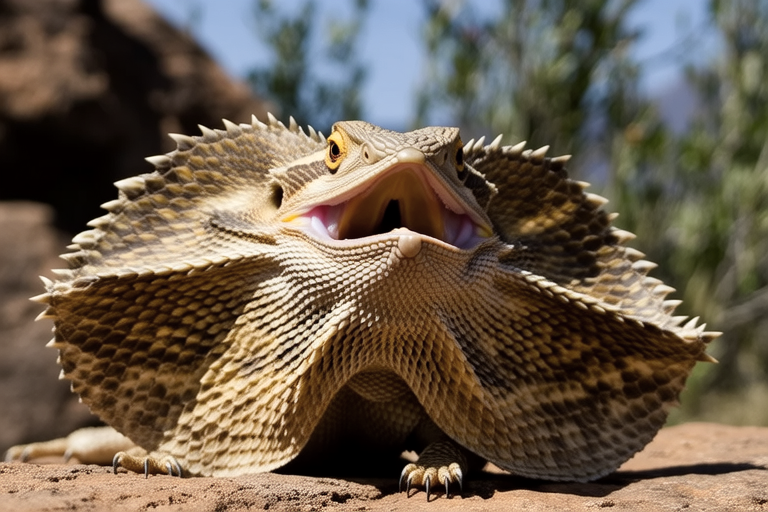
Unraveling the Mystery of Bearded Dragon Communication
Bearded dragons have captured the hearts of reptile enthusiasts worldwide with their unique appearance and intriguing behavior. These captivating creatures, native to Australia, have become increasingly popular as pets due to their docile nature and relatively low maintenance requirements. Their popularity stems from their distinctive features, such as their spiky scales, broad flattened bodies, and, most notably, their beard – a flap of skin under their chin that can expand and darken when the dragon feels threatened or excited.
The Significance of Bearded Dragons Among Reptile Enthusiasts
For reptile enthusiasts, bearded dragons offer an unparalleled opportunity to connect with these ancient creatures. They are not only fascinating to watch but also relatively easy to care for, making them ideal pets for beginners and experts alike. Their docility and intelligence make them particularly appealing. Owners often marvel at the bond they can form with their bearded dragons, creating a unique relationship that goes beyond mere pet ownership.
Methods of Communication: Body Language and Beyond
Bearded dragons have a rich repertoire of communication methods, primarily relying on body language, color changes, and physical displays. Understanding these signals is crucial for anyone who wishes to foster a strong bond with their bearded dragon.
Body Language
One of the most striking aspects of bearded dragon communication is their use of body language. Puffing out their beards is one of the most recognizable behaviors. When a bearded dragon puffs out its beard, it’s usually a sign of stress, aggression, or excitement. This action is often accompanied by darkening of the beard, which can range from a slight darkening to a near-black hue. Another common display is the flattening of the body, which serves to appear larger and more intimidating to potential threats.
Posture is another vital aspect of bearded dragon communication. A relaxed dragon will typically sit upright, while a stressed or threatened dragon may lower itself closer to the ground, often with its legs tucked underneath. Tail movements can also convey different messages. A swaying tail might indicate a calm, relaxed state, while a still or stiff tail could signal agitation or anxiety.
Color Changes
Bearded dragons are masters of color change, using this ability to communicate their emotional states. Color changes can occur gradually over time or happen suddenly in response to stimuli. Typically, darker colors like black, gray, or brown signify stress, fear, or aggression. Conversely, brighter colors, especially in males during breeding season, can indicate excitement or readiness to mate.
One of the most mesmerizing color changes occurs when a bearded dragon becomes stressed or excited. The dragon’s entire body can turn a deep, dark color, almost black, with the beard becoming particularly dark. This dramatic shift in color is an unmistakable signal that something is amiss, and it’s essential for owners to take note and address any potential issues promptly.
Vocalizations
While bearded dragons are generally silent creatures, there are instances where they may produce sounds. These vocalizations are rare but significant. A hissing sound is the most common vocalization and usually indicates fear, discomfort, or aggression. It’s important to recognize that hissing is not always a sign of anger; sometimes, it’s simply a way for the dragon to express its unease.
Interpreting Signals: A Guide for Owners
Understanding your bearded dragon’s signals is key to providing the best care possible. Here are some tips to help you interpret your dragon’s communication:
- Puffing Out the Beard: If your bearded dragon puffs out its beard, it could be feeling threatened, excited, or even showing off for a potential mate. In such cases, it’s wise to provide a safe environment and avoid handling the dragon until it calms down.
- Color Changes: Pay attention to any changes in your dragon’s coloration. Darker hues typically mean your dragon is stressed, while brighter colors might indicate excitement or healthiness. Adjust the environment accordingly to ensure your dragon feels comfortable.
- Tail Movements: A swaying tail usually means your dragon is relaxed, while a still or stiff tail could indicate tension or anxiety. Encourage relaxation by maintaining a calm atmosphere and ensuring the enclosure meets all environmental needs.
Fostering Positive Communication
To foster positive communication between you and your bearded dragon, it’s essential to establish trust and respect. Patience is key when building this bond. Take time to observe your dragon’s behavior and learn what triggers certain responses. Gradually introduce handling sessions, starting with brief periods and increasing the duration as your dragon becomes more comfortable.
Creating a stimulating and enriching environment is also crucial. Provide hiding spots, climbing structures, and opportunities for basking. Regular interaction and consistent routines will help your dragon feel secure and encourage positive communication.
Conclusion
Bearded dragons are fascinating creatures with a complex system of communication that includes body language, color changes, and occasional vocalizations. By understanding these signals, owners can better meet their dragon’s needs and create a strong, positive bond. Remember, patience and observation are the keys to unlocking the mystery of bearded dragon communication. With time and effort, you’ll find yourself better equipped to understand and respond to your dragon’s signals, ensuring a rewarding and fulfilling relationship.
