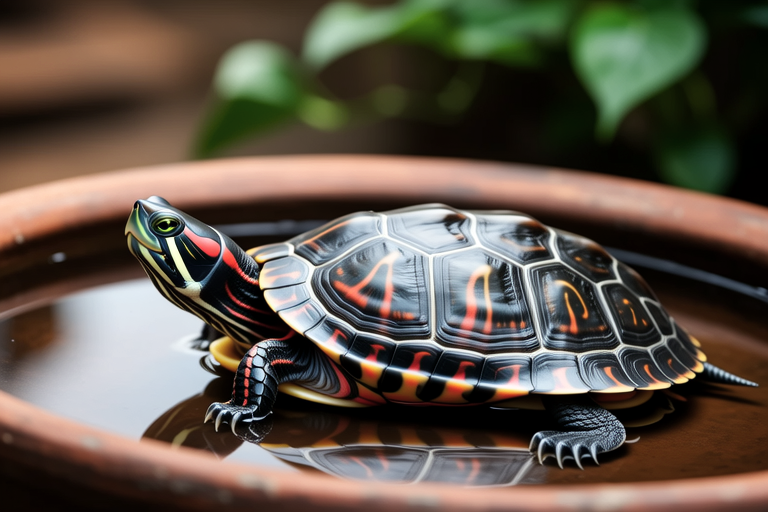
How to Care for Your Red-Eared Slider
Welcome to your comprehensive guide on how to care for your red-eared slider. This guide will cover all the essentials of keeping these delightful aquatic turtles healthy and happy. We’ll go through habitat setup, diet and nutrition, health monitoring, common diseases, handling tips, and advice on creating a safe environment.
Habitat Setup
The first step in caring for your red-eared slider is setting up its habitat correctly. Proper habitat setup ensures that your turtle remains healthy and comfortable.
Tank Size
Your red-eared slider requires a spacious tank. A general rule is to provide 10 gallons of water per inch of shell length. For a fully grown adult, this translates to approximately 40-60 gallons. Remember, larger tanks are always better as they allow more space for swimming and reduce stress.
Water Quality
Maintaining good water quality is crucial. Use dechlorinated water, either by letting it sit for 24 hours or using a water conditioner. Regularly check the water temperature with a thermometer, ensuring it stays between 75°F and 80°F. Invest in a reliable aquarium heater to maintain this temperature range.
Filtration
Invest in a high-quality filter to keep the water clean. Red-eared sliders produce waste, so filtration helps to remove debris and harmful bacteria. Choose a filter that provides at least four to six times the volume of the tank in turnover per hour. For example, if you have a 40-gallon tank, look for a filter capable of processing 160-240 gallons per hour.
Basking Area
Your red-eared slider needs a dry area to bask under UVB lighting. This area should be large enough for your turtle to stretch out completely. Provide a secure platform with a ramp for easy access to and from the water. Use a reptile-safe heat lamp with a UVB bulb to mimic natural sunlight, which is vital for calcium absorption and overall health.
Diet and Nutrition
A balanced diet is key to maintaining your red-eared slider’s health. These omnivorous creatures require a mix of animal protein, vegetables, and fruits.
Protein Sources
Incorporate high-quality commercial turtle pellets, earthworms, crickets, and occasional feeder fish into their diet. Feed young turtles daily, while adults can eat every other day. Always avoid feeding wild-caught insects, as they may carry parasites or toxins.
Vegetables and Fruits
Offer a variety of leafy greens such as romaine lettuce, dandelion greens, and collard greens. Occasionally include carrots, squash, and berries. Ensure that vegetables and fruits make up around 25% of their diet.
Vitamins and Minerals
Supplement your turtle’s diet with calcium and vitamin D3 to prevent metabolic bone disease. Dust their food with a calcium supplement twice a week and ensure they receive adequate UVB light exposure.
Health Monitoring
Regular health checks help catch potential issues early. Look for signs of illness such as lethargy, loss of appetite, swollen eyes, or abnormal behavior.
Shell Health
The shell should be smooth and free from cracks. Inspect it regularly for any changes in color or texture. Clean the shell gently with warm water if necessary.
Eye Health
Healthy eyes are clear and bright. Swollen or cloudy eyes can indicate infection or other health problems. Consult a veterinarian if you notice any issues.
Behavioral Changes
Sudden changes in activity levels or eating habits could signal underlying health concerns. Monitor your turtle’s behavior closely and seek veterinary advice if you notice any deviations from normal behavior.
Common Diseases
Understanding common diseases can help you identify and address potential health issues promptly.
Metabolic Bone Disease (MBD)
MBD results from insufficient calcium intake and inadequate UVB exposure. Symptoms include soft or misshapen shells, weak limbs, and difficulty moving. Prevention involves proper diet and lighting.
Respiratory Infections
Caused by poor water quality or low temperatures, symptoms include labored breathing, nasal discharge, and swollen eyes. Maintain clean water and appropriate temperatures to prevent infections.
Parasites
External parasites like leeches or mites can cause irritation and discomfort. Internal parasites can lead to weight loss and diarrhea. Regular veterinary check-ups can help detect and treat parasitic infestations.
Handling Tips
Handling your red-eared slider carefully minimizes stress and injury.
Hygiene
Always wash your hands before and after handling your turtle to prevent the spread of germs. Avoid handling your turtle too frequently, as excessive handling can cause stress.
Gentle Handling
Pick up your turtle gently, supporting its body and legs. Never lift your turtle by its tail, as this can cause serious injury. If your turtle resists being handled, give it time to adjust.
Creating a Safe Environment
Ensuring your turtle’s safety involves several considerations.
Secure Tank
Make sure the tank has a secure lid to prevent escapes. Turtles are curious and can climb surprisingly well, especially when young.
Safe Substrate
Avoid using gravel or small stones as substrate, as they can be accidentally ingested. Instead, opt for sand or a bare-bottom tank.
Toxin-Free Environment
Avoid using cleaning products that leave residues harmful to your turtle. Clean the tank regularly and use non-toxic cleaning agents.
Caring for a red-eared slider is a rewarding experience. By following these guidelines, you can ensure that your turtle lives a long and healthy life. Remember, each turtle is unique, so pay close attention to your pet’s individual needs and consult with veterinarians specializing in exotic pets for personalized advice.
