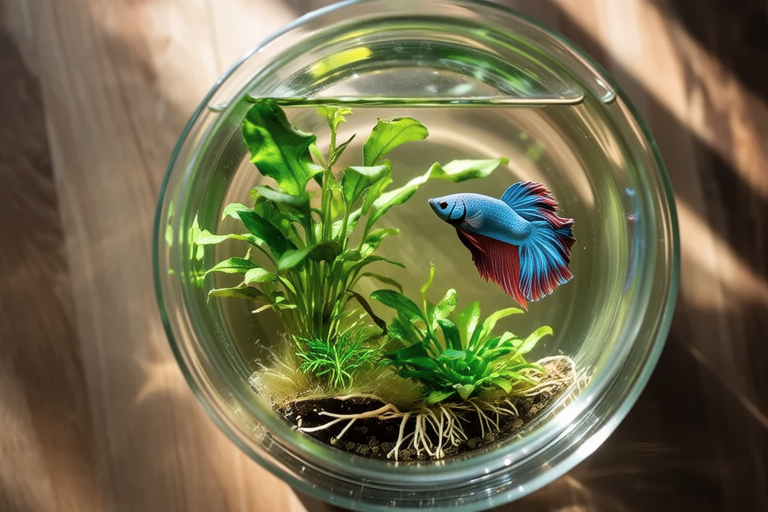
Top 10 Plants That Will Thrive With Your Betta
Welcome to the fascinating world of betta fish! These vibrant, colorful creatures are not only captivating to watch but also thrive in environments that mimic their natural habitats. Adding live plants to your betta’s aquarium can significantly enhance its well-being, offering numerous benefits. Plants provide essential hiding spots, improve water quality, and reduce stress by mimicking the lush vegetation found in the wild. This guide will introduce you to the top 10 plants that will thrive alongside your betta, ensuring a healthy and vibrant aquatic ecosystem.
Benefits of Adding Plants to a Betta Tank
Live plants offer more than just aesthetic appeal; they play a crucial role in maintaining a balanced and thriving environment for your betta. Here are some key benefits:
- Stress Reduction: Providing hiding spots helps bettas feel secure and less stressed.
- Water Quality Improvement: Plants absorb harmful chemicals and excess nutrients, promoting cleaner water.
- Natural Behavior Encouragement: Mimicking the betta’s natural habitat encourages more natural behaviors, including swimming and exploring.
- Decorative Appeal: Enhances the visual beauty of the tank, creating a serene and inviting atmosphere.
1. Java Fern
Name: Microsorum pteropus
Appearance: Java Fern features dark green, leathery leaves that grow in a fern-like pattern.
Care Requirements: Java Fern thrives in moderate lighting and prefers temperatures between 72-82°F (22-28°C). It can be attached to driftwood or rocks without needing substrate.
Specific Benefits: Provides excellent hiding spots and shelters for bettas, encouraging exploration and reducing stress. Its robust nature makes it ideal for beginners.
2. Amazon Sword Plant
Name: Echinodorus grisebachii var. lilifolius
Appearance: The Amazon Sword has broad, sword-shaped leaves that can reach up to 12 inches in length.
Care Requirements: This plant requires medium to high lighting and prefers temperatures between 72-82°F (22-28°C). It thrives in nutrient-rich soil.
Specific Benefits: Offers large, sturdy leaves that create ample space for bettas to swim around and explore. Additionally, it contributes to improved water quality by absorbing excess nutrients.
3. Anubias Nana
Name: Anubias nana
Appearance: Small, heart-shaped leaves that grow densely, forming a compact bush.
Care Requirements: Anubias Nana thrives in low to moderate lighting and prefers temperatures between 72-82°F (22-28°C). It can be attached to driftwood or rocks without needing substrate.
Specific Benefits: Provides excellent hiding spots and shelters for bettas, encouraging exploration and reducing stress. Its slow growth rate ensures it won’t overcrowd the tank.
4. Cryptocoryne Wendtii
Name: Cryptocoryne wendtii
Appearance: This plant features lanceolate leaves that can vary in color from dark green to reddish-brown.
Care Requirements: Cryptocoryne Wendtii prefers low to moderate lighting and temperatures between 72-82°F (22-28°C). It thrives in nutrient-rich soil.
Specific Benefits: Creates dense foliage that provides hiding spots and shelters for bettas, enhancing their sense of security. It also contributes to improved water quality.
5. Dwarf Baby Tears
Name: Hemianthus callitrichoides ‘Cuba’
Appearance: Tiny, round leaves form a dense carpet at the bottom of the tank.
Care Requirements: Dwarf Baby Tears require moderate to high lighting and prefer temperatures between 72-82°F (22-28°C). It thrives in nutrient-rich soil.
Specific Benefits: Forms a lush carpet at the bottom of the tank, creating a serene and natural-looking environment. It also helps stabilize the substrate, preventing it from being disturbed by betta’s activity.
6. Water Wisteria
Name: Hygrophila difformis
Appearance: Delicate, light green leaves that grow in a bushy fashion.
Care Requirements: Water Wisteria prefers moderate to high lighting and temperatures between 72-82°F (22-28°C). It thrives in nutrient-rich soil.
Specific Benefits: Provides dense foliage that creates hiding spots and shelters for bettas, encouraging exploration and reducing stress. It also contributes to improved water quality.
7. Marimo Moss Ball
Name: Aegagropila linnaei
Appearance: Spherical, bright green algae balls that float gently in the water.
Care Requirements: Marimo Moss Balls require low to moderate lighting and prefer temperatures between 68-77°F (20-25°C). They need to be rolled occasionally to prevent flattening.
Specific Benefits: Provides a unique addition to the tank with its spherical shape, offering a visually appealing element. It also helps improve water quality by absorbing nutrients.
8. Hornwort
Name: Ceratophyllum demersum
Appearance: Fine, feathery leaves that grow in a bushy manner.
Care Requirements: Hornwort can thrive in low to high lighting conditions and prefers temperatures between 68-86°F (20-30°C). It can be left floating or anchored.
Specific Benefits: Provides dense foliage that creates hiding spots and shelters for bettas, encouraging exploration and reducing stress. It also helps improve water quality by absorbing nutrients.
9. Water Lettuce
Name: Pistia stratiotes
Appearance: Broad, light green leaves that resemble lettuce.
Care Requirements: Water Lettuce prefers moderate to high lighting and temperatures between 72-82°F (22-28°C). It floats on the surface of the water.
Specific Benefits: Provides a floating layer on the water’s surface, creating shade and reducing algae growth. It also offers a resting spot for bettas and helps improve water quality.
10. Java Moss
Name: Taxiphyllum barbieri
Appearance: Fine, delicate moss that grows in clumps.
Care Requirements: Java Moss thrives in low to moderate lighting and prefers temperatures between 72-82°F (22-28°C). It can be attached to driftwood or rocks.
Specific Benefits: Provides excellent hiding spots and shelters for bettas, encouraging exploration and reducing stress. It also helps improve water quality by absorbing nutrients.
Maintaining a Healthy Aquatic Garden
Creating and maintaining a thriving aquatic garden alongside your betta requires careful attention to several factors:
- Proper Lighting: Ensure the plants receive adequate lighting based on their specific needs. Most aquarium plants thrive under fluorescent or LED lights.
- Regular Maintenance: Trim any overgrown plants to maintain balance and aesthetics within the tank. Remove dead or decaying leaves to prevent the buildup of harmful substances.
- Water Quality: Regularly test the water parameters, including pH, ammonia, nitrite, and nitrate levels. Perform partial water changes every week or two to keep the water clean and stable.
- Feeding: Provide a balanced diet for your betta, consisting of high-quality flakes or pellets. Avoid overfeeding to prevent excess waste and poor water quality.
- Monitoring Temperature: Maintain a consistent temperature range suitable for both your betta and the plants. Use a heater if necessary to keep the water warm enough.
By following these guidelines and incorporating the top 10 plants mentioned above, you’ll create a beautiful and healthy aquatic environment that enhances your betta’s well-being. Enjoy watching your betta explore and thrive in its lush, natural habitat!
