Three-Striped Box Turtles: A Comprehensive Guide
The three-striped box turtle (Amblyrhynchus cristatus) is a fascinating creature that captivates the hearts of nature enthusiasts and reptile lovers alike. Known for its distinct appearance and unique behavior, this species offers a window into the intricate world of turtles. With a striking three-striped pattern on its head and a domed shell that can close tightly for protection, the three-striped box turtle is a true marvel of evolution. This article delves into the various aspects of this remarkable species, from its habitat and diet to its challenges in the wild and the joys of keeping it as a pet.
Introduction: A Unique Appearance and Habitat
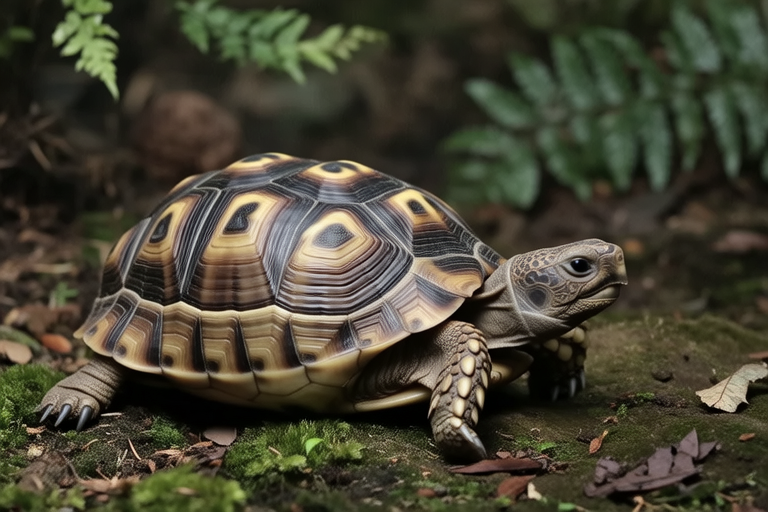
The three-striped box turtle is easily identifiable by its vibrant three stripes that run down the sides of its head. These stripes, along with its high-domed shell, give it a distinctive look. The shell itself is usually brown or black, often adorned with yellow or orange markings. This turtle is native to parts of North America, particularly in areas with temperate climates. It thrives in environments that offer a mix of open fields, woodlands, and wetlands. These habitats provide ample opportunities for the turtle to bask in the sun, hunt for food, and find shelter when needed. Their adaptability to different terrains makes them a versatile species.
Diet: Omnivorous Delights
One of the most interesting aspects of the three-striped box turtle is its diet. As omnivores, these turtles enjoy a varied menu that includes insects, fruits, vegetables, and even small vertebrates. In the wild, they forage for food, consuming earthworms, slugs, berries, and leaves. Pet owners must replicate this diverse diet to ensure their turtles remain healthy. Commercial turtle food, supplemented with fresh produce and occasional treats like mealworms or crickets, can help meet their nutritional needs. Proper nutrition is crucial for maintaining their energy levels and supporting their growth and overall well-being.
Lifespan: Longevity in the Wild and Captivity
Three-striped box turtles have a relatively long lifespan, which can exceed 30 years in the wild. In captivity, with proper care, they can live even longer. Factors such as diet, environment, and healthcare play a significant role in determining their longevity. Ensuring a balanced diet, a clean habitat, and regular veterinary check-ups are essential for keeping these turtles healthy and happy. Their impressive lifespan makes them a rewarding choice for those willing to commit to long-term care.
Common Behaviors: Basking and Hibernation
These turtles exhibit several intriguing behaviors that make them fascinating to observe. One of the most notable is their habit of basking in the sun. They often seek out warm, sunny spots to soak up the rays, which helps regulate their body temperature and promotes digestion. Another significant behavior is hibernation. During colder months, they retreat into burrows or under leaf litter, slowing their metabolism to conserve energy. Understanding these behaviors can enhance the experience of keeping these turtles as pets, allowing owners to provide appropriate environments and schedules.
Challenges in the Wild: Threats and Conservation Efforts
Despite their resilience, three-striped box turtles face numerous threats in the wild. Habitat destruction, pollution, and climate change are among the major challenges they encounter. Additionally, they are sometimes targeted by poachers for the pet trade, further endangering their populations. Conservation efforts are underway to protect these turtles. Organizations work to establish protected areas, educate the public about the importance of preserving natural habitats, and implement breeding programs to bolster their numbers. These initiatives aim to ensure the survival of this species for future generations.
Pet Care: Requirements and Legal Considerations
For those considering a three-striped box turtle as a pet, there are several important factors to consider. First and foremost, it’s essential to understand the legalities surrounding turtle ownership. Many regions have strict regulations regarding the keeping of turtles, especially those native to the area. Prospective owners should research local laws to ensure compliance. Additionally, providing the right living conditions is paramount. A spacious enclosure that mimics their natural habitat, complete with UV lighting, a water dish, and hiding spots, is necessary for their well-being. Regular cleaning and maintenance of the enclosure are also vital to prevent health issues. Patience and commitment are key, as these turtles require consistent care and attention.
Conclusion: Why Three-Striped Box Turtles Are Fascinating
Three-striped box turtles are captivating creatures that offer a wealth of interest for both nature enthusiasts and pet owners. Their unique appearance, combined with their intriguing behaviors and long lifespan, make them a subject of fascination. Whether observed in the wild or cared for at home, these turtles provide a window into the wonders of the natural world. By learning about their needs and challenges, we can better appreciate and protect these remarkable animals. Whether you’re drawn to their striking appearance or their resilient spirit, three-striped box turtles are sure to leave a lasting impression.
