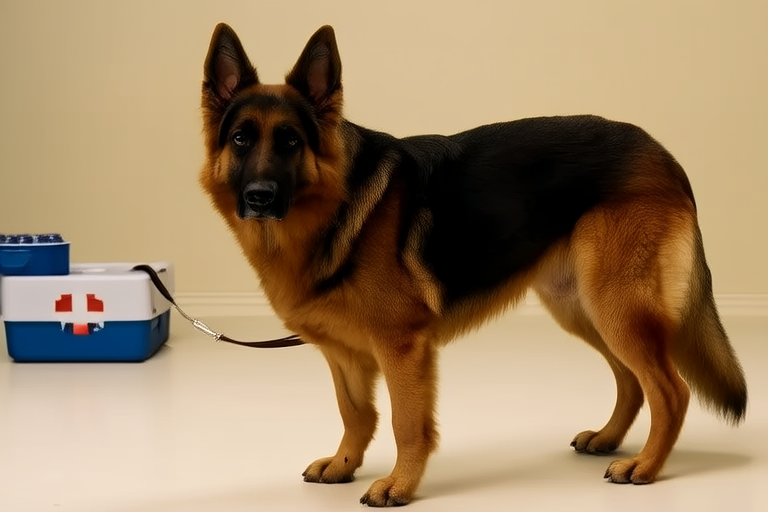
Essential Health Care Tips Every German Shepherd Owner Should Know
German Shepherds are among the most popular dog breeds in the world due to their intelligence, loyalty, and versatility. However, these traits come with a responsibility to ensure that your German Shepherd remains healthy and happy throughout its life. This article will provide you with essential health care tips every German Shepherd owner should know, covering diet and nutrition, exercise recommendations, common health issues and preventive measures, grooming tips, and signs of illness.
Diet and Nutrition Tailored for German Shepherds
A well-balanced diet is crucial for maintaining your German Shepherd’s overall health. Their dietary needs can vary based on age, activity level, and any specific health conditions. Generally, adult German Shepherds require approximately 2 to 3 cups of high-quality dry food per day, divided into two meals. Puppies, on the other hand, need more frequent feedings and a higher calorie intake to support their rapid growth.
When choosing food for your German Shepherd, look for ingredients like chicken, fish, or lamb as primary protein sources. These meats are rich in amino acids necessary for muscle development. Avoid foods containing corn, wheat, soy, and artificial preservatives, which can cause allergies and digestive problems. Consult with your veterinarian to determine the best type of food for your dog based on its individual needs.
Ensure your German Shepherd has access to fresh water at all times. Dehydration can lead to serious health issues, especially during hot weather or after vigorous exercise. Additionally, consider adding supplements such as omega-3 fatty acids to promote skin and coat health, glucosamine for joint support, and probiotics for digestive health.
Exercise Recommendations to Maintain Their Health
German Shepherds are energetic dogs that require regular physical activity to stay fit and prevent obesity. Obesity can lead to various health problems, including joint issues, diabetes, and heart disease. Aim to provide at least one hour of exercise daily, broken down into shorter sessions if needed. This could include brisk walks, jogging, playing fetch, or engaging in agility training.
In addition to physical activities, mental stimulation is also important for German Shepherds. They are intelligent dogs that enjoy solving puzzles and learning new tricks. Incorporating obedience training, scent work, and interactive toys into their routine can help keep their minds sharp while providing additional physical activity.
Always monitor your dog’s energy levels and adjust the intensity of exercises accordingly. Over-exercising can lead to injuries, particularly in young dogs whose bones are still developing. It’s also essential to introduce proper warm-up and cool-down periods before and after intense activities to prevent strain on muscles and joints.
Common Health Issues They Face and Preventive Measures
German Shepherds are prone to certain hereditary conditions, but many of these can be managed through early detection and proper care. Hip dysplasia, elbow dysplasia, and degenerative myelopathy are some of the most common issues faced by this breed.
Hip dysplasia occurs when there is abnormal development of the hip joint, leading to pain and reduced mobility. Elbow dysplasia similarly affects the elbow joint. Both conditions can be diagnosed via x-rays and treated surgically or medically depending on severity. Degenerative myelopathy, another neurological disorder, causes progressive weakness in the hind legs and can eventually lead to paralysis. Genetic testing can identify carriers of these conditions, helping breeders make informed decisions about breeding pairs.
To prevent these issues, it’s recommended to purchase from reputable breeders who conduct health screenings on their dogs. Maintaining a healthy weight, providing appropriate nutrition, and ensuring regular veterinary check-ups are also vital steps in preventing these conditions.
Grooming Tips
German Shepherds have a double coat that requires regular grooming to keep them looking their best and prevent matting. Brush your dog at least twice a week, increasing frequency during shedding seasons (spring and fall). Use a slicker brush or pin brush to remove dead hair and distribute natural oils throughout the coat.
Bathing should be done only when necessary, typically every 6 to 8 weeks, using a mild shampoo formulated for dogs. Excessive bathing can strip away essential oils from the skin, leading to dryness and irritation. After bathing, thoroughly dry your German Shepherd to prevent chills and discomfort.
Regular dental care is equally important. Brush your dog’s teeth at least three times a week using a toothbrush and toothpaste designed specifically for dogs. This helps remove plaque buildup, prevents bad breath, and reduces the risk of gum disease. Consider providing chew toys and treats that promote oral hygiene.
Signs of Illness Owners Should Watch For
Early detection of potential health issues is key to effective treatment. Familiarize yourself with common signs of illness in German Shepherds so you can act promptly if something seems off. Some warning signs include:
- Changes in appetite: A sudden loss of interest in food may indicate underlying health problems such as gastrointestinal disorders or systemic infections.
- Lethargy: If your usually active German Shepherd becomes unusually tired or slow, it might be a sign of anemia, hypothyroidism, or other systemic diseases.
- Vomiting and diarrhea: These symptoms can point towards dietary indiscretions, parasites, or more severe gastrointestinal diseases.
- Difficulty breathing: Labored breathing could signal respiratory infections, heartworm disease, or other cardiovascular issues.
- Lameness: Any changes in gait or reluctance to move can suggest musculoskeletal problems like arthritis or injuries.
If you notice any of these signs, consult your veterinarian immediately for proper diagnosis and treatment. Regular visits to the vet for wellness checks, vaccinations, and parasite prevention are also crucial in maintaining your German Shepherd’s health.
In conclusion, owning a German Shepherd is a rewarding experience filled with joy and companionship. By following these essential health care tips—paying attention to diet and nutrition, providing adequate exercise, being aware of common health issues, keeping up with grooming, and monitoring for signs of illness—you can ensure your beloved pet enjoys a long, healthy, and happy life.
