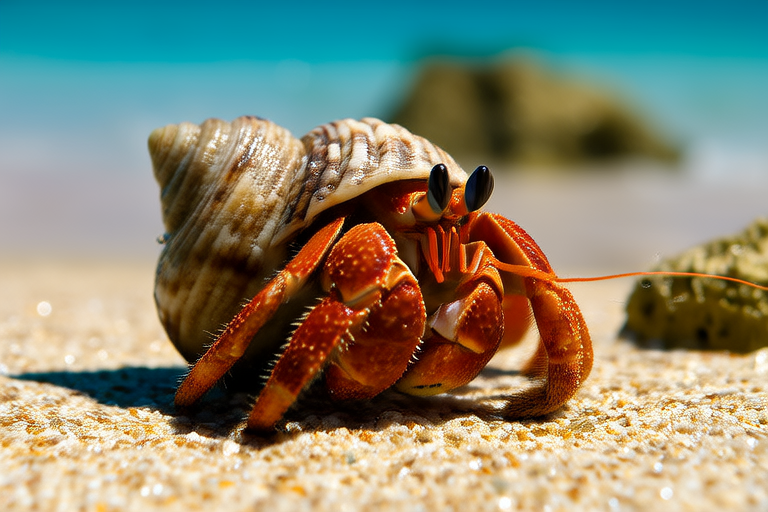
How to Create an Ideal Habitat for Your Tiny Hermit Crab Friend
Welcome to the wonderful world of hermit crabs! These fascinating creatures have unique needs that must be met to ensure their health and happiness. In this article, we will guide you through creating an ideal habitat for your tiny hermit crab friend. We’ll cover everything from tank size and substrate options to temperature and humidity requirements, necessary decorations and hiding spots, water dish setup, and dietary needs. Additionally, we’ll emphasize the importance of regular maintenance and habitat enrichment for the crab’s well-being and provide tips on observing behavioral cues to ensure the crab is comfortable and healthy in its environment.
Tank Size
The first step in creating a suitable habitat for your hermit crab is selecting an appropriate tank size. While hermit crabs are small, they need enough space to move around comfortably. A general rule of thumb is to provide at least one gallon of tank space per hermit crab. However, larger tanks offer more room for exploration and activity, which can contribute to the overall well-being of your pet.
Substrate Options
The substrate, or bedding material, is crucial for your hermit crab’s comfort and health. It provides a place for them to dig, burrow, and hide. Suitable substrates include coconut fiber, crushed coral, play sand, and calcium sand. Ensure that the substrate is free of harmful chemicals and large enough particles to prevent ingestion by the crabs. A mix of different substrates can also be beneficial, as it mimics the natural environment of hermit crabs found in the wild.
Temperature and Humidity Requirements
Hermit crabs are tropical animals and require specific temperature and humidity levels to thrive. Maintain the tank temperature between 75°F and 85°F (24°C and 29°C) using a heat source such as a heat mat placed under one side of the tank. This allows for a temperature gradient within the enclosure, giving your hermit crab the option to move to cooler areas if needed. To achieve optimal humidity levels, aim for 70% to 80%. You can use a hygrometer to monitor the humidity and adjust as necessary. Mist the tank daily to maintain the correct moisture level, but avoid over-saturating the substrate, which can lead to mold growth.
Necessary Decorations and Hiding Spots
Your hermit crab needs a variety of decorations and hiding spots to feel secure and stimulated. Provide plenty of caves, tunnels, and other structures made from safe materials such as cork bark, driftwood, and rocks. Ensure that any decorations are securely anchored to prevent collapses that could harm your pet. Additionally, include various sizes of shells for your hermit crab to explore and potentially switch out as they grow. Offer a mix of textures and surfaces, such as smooth stones and rough wood, to create an interesting and engaging environment.
Water Dish Setup
Hermit crabs require access to both fresh and saltwater. Set up two shallow dishes in the tank, one filled with dechlorinated freshwater and the other with a saltwater solution. The saltwater should be prepared using marine aquarium salt mixed with distilled or dechlorinated water. Avoid using table salt, as it contains additives that can be harmful to your hermit crab. Place the dishes in easily accessible locations and clean them regularly to prevent bacterial growth.
Dietary Needs
A balanced diet is essential for the health and longevity of your hermit crab. Feed them a variety of foods, including fruits, vegetables, and protein sources. Suitable fruits and vegetables include apples, bananas, carrots, and leafy greens. Protein sources can include boiled eggs, cooked meats, and insects. Offer these foods in small amounts and remove any uneaten portions after a few hours to prevent spoilage. Additionally, provide calcium supplements, such as cuttlebone or calcium blocks, to help support proper shell development.
Regular Maintenance and Habitat Enrichment
To keep your hermit crab’s habitat clean and inviting, perform regular maintenance tasks. This includes cleaning the tank, replacing substrate, and refreshing water dishes. Inspect the tank weekly for signs of wear and tear or potential hazards. Rotate decorations periodically to provide new stimuli and prevent boredom. Introduce new items gradually to allow your hermit crab time to acclimate. Regularly check the temperature and humidity levels to ensure they remain within the desired range.
Observing Behavioral Cues
Closely observe your hermit crab’s behavior to gauge its comfort and health. Healthy hermit crabs are active, curious, and exhibit normal feeding behaviors. If you notice any changes in activity levels, appetite, or appearance, investigate potential causes and address them promptly. Signs of stress or discomfort may include lethargy, loss of appetite, or abnormal shell swapping. Consult a veterinarian specializing in exotic pets if you suspect your hermit crab is ill or injured.
Creating an ideal habitat for your tiny hermit crab friend requires attention to detail and commitment to maintaining a stimulating and supportive environment. By following the guidelines outlined in this article, you can provide your pet with the best possible care and ensure its long-term well-being. Remember that each hermit crab is unique, so take the time to understand your pet’s individual preferences and adjust its habitat accordingly. With proper care and attention, your hermit crab can thrive and bring joy to your home for many years to come.
