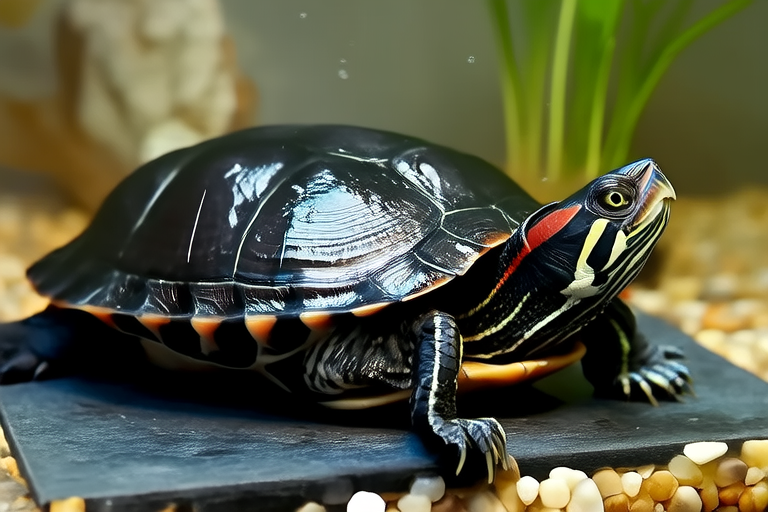
How to Care for a Red-eared Slider: A Beginner’s Guide
Welcome to your comprehensive guide on how to care for a red-eared slider. This article is designed to help new owners understand the essentials of keeping these fascinating reptiles healthy and happy. We will cover everything from setting up the perfect habitat to feeding and socializing your pet. Let’s dive into the details!
Habitat Setup
Tank Size
The first step in caring for your red-eared slider is creating an appropriate habitat. For a single adult slider, you need at least a 40-gallon tank. The rule of thumb is 10 gallons per inch of shell length. However, larger tanks are always better as they provide more space for swimming and basking.
Lighting
Your slider needs specific lighting conditions to thrive. UVB lighting is crucial for calcium absorption and overall health. Choose a high-quality UVB bulb that covers at least 75% of the tank’s surface. Position the light so it directly reaches the basking area. Replace the bulbs every six months or as recommended by the manufacturer.
Temperature
Maintaining the correct water and air temperatures is vital. Water should be kept between 75°F and 80°F (24°C to 27°C) while the basking spot should reach around 90°F (32°C). Use a reliable aquarium heater and a thermometer to monitor these temperatures accurately. Always ensure the heater is safely secured to prevent accidents.
Filtration
Effective filtration is necessary to keep the water clean and clear. Choose a filter that provides adequate water flow and mechanical, biological, and chemical filtration. Regularly clean the filter and perform partial water changes to maintain optimal water quality.
Diet and Feeding Habits
Red-eared sliders are omnivores with a diet consisting of both plant matter and animal protein. Young sliders require more protein than adults. Feed juveniles daily and adults every other day. Provide a balanced diet including commercial turtle pellets, fresh vegetables like leafy greens and carrots, and occasional treats such as mealworms or earthworms.
Health Care Tips
Regular health checks can prevent issues before they become serious. Monitor your slider’s appetite, activity level, and physical appearance. Cleanliness of the habitat also plays a significant role in preventing illnesses. Quarantine new sliders for several weeks to avoid introducing diseases to your established tank.
Handling and Socialization
Handle your slider gently but frequently to encourage bonding. Be cautious as they can bite if scared. Introduce new turtles slowly and carefully to avoid stress. While red-eared sliders are generally solitary creatures, some may enjoy the company of others. Ensure there is enough space and resources for all inhabitants.
Common Diseases to Watch For
Respiratory infections, shell rot, and vitamin deficiencies are common among red-eared sliders. Signs include lethargy, loss of appetite, swollen eyes, or abnormal skin or shell conditions. If you notice any symptoms, consult a veterinarian specializing in reptiles immediately.
Advice on Choosing the Right Equipment
Selecting appropriate equipment is crucial for your slider’s well-being. Invest in quality products from reputable brands. Look for features like durability, ease of maintenance, and compatibility with your tank size. Research thoroughly before making purchases to ensure you get the best value for your money.
In conclusion, taking care of a red-eared slider requires dedication and attention to detail. By following this guide, you’ll be well on your way to providing your pet with a healthy and enjoyable environment. Remember, each turtle is unique, so adapt your care routine accordingly. Enjoy your time with your new friend!
