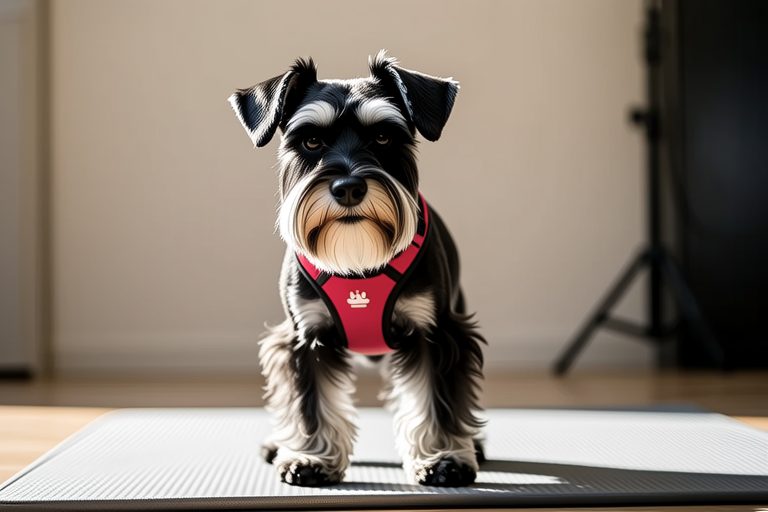
Training Tips Every Schnauzer Owner Should Know
Welcome to the world of Schnauzer ownership! These charming, intelligent dogs can be delightful companions, but they also come with their unique set of challenges. Proper training is crucial to ensure your Schnauzer becomes a well-behaved, happy member of your family. This guide will provide you with essential training methods, address common behavioral issues, and offer advice on exercise, diet, and socialization.
Essential Training Methods Tailored for Schnauzers
Schnauzers are known for their intelligence and stubbornness. They require consistent and patient training techniques that engage their minds while reinforcing desired behaviors. Positive reinforcement is key; rewarding good behavior with treats, praise, or playtime can encourage your dog to repeat those actions.
- Basic Commands: Start with basic commands such as sit, stay, come, and down. Use short, clear commands and reward your Schnauzer immediately after following the command.
- Leash Training: Leashes are essential for walking and controlling your Schnauzer. Begin by letting your dog get used to wearing a collar and leash around the house before taking them outside.
- Problem Solving: Schnauzers love solving puzzles. Incorporate interactive toys and games into training sessions to keep them mentally stimulated.
Common Behavioral Issues and Solutions
Like any breed, Schnauzers may exhibit certain behavioral issues. Understanding these problems and addressing them early can prevent more serious issues later.
- Aggression: Aggression towards other animals or humans can stem from fear, dominance, or frustration. Early socialization and obedience training are vital. Consult a professional trainer if aggression persists.
- Barking: Schnauzers are alert and vocal dogs. Teach your Schnauzer a ‘quiet’ command by rewarding them when they stop barking on cue. Avoid yelling at them, as this might increase their excitement.
- Destructive Behavior: Boredom or anxiety can lead to chewing or digging. Provide plenty of toys and mental stimulation to redirect their energy.
The Importance of Consistency and Positive Reinforcement in Training
Consistency is crucial in training Schnauzers. Using the same commands and rewards every time ensures your dog understands what is expected. Positive reinforcement, such as treats or praise, motivates your Schnauzer to follow commands and reinforces good behavior.
Avoid negative reinforcement or punishment, as it can cause fear or aggression. Instead, focus on rewarding desired behaviors and ignoring unwanted ones.
Exercise Needs
Schnauzers are energetic and require regular exercise to maintain their physical and mental health. Daily walks, runs, or play sessions are necessary. Mental stimulation through puzzle toys and games can also help tire them out.
Be mindful of the weather and adjust exercise routines accordingly. Schnauzers have thick coats, making them susceptible to heatstroke. Short bursts of activity during hot days are preferable to long walks.
Dietary Considerations Affecting Behavior
Your Schnauzer’s diet can significantly impact their behavior. High-quality, balanced food supports their overall health and energy levels. Avoid feeding table scraps or high-fat treats, as they can lead to obesity and behavioral issues like hyperactivity.
Consult your veterinarian about appropriate food options and portion sizes based on your Schnauzer’s age, weight, and activity level. Regular check-ups can help monitor your dog’s health and address any dietary concerns.
Advice on Socializing Schnauzers Effectively
Socialization is critical for developing a well-adjusted Schnauzer. Expose your puppy to various environments, people, and animals from an early age. This helps them become comfortable in different situations and reduces the likelihood of fear-based aggression.
- Gradual Exposure: Introduce your Schnauzer to new experiences gradually. Start with familiar people and pets before moving on to strangers and unfamiliar settings.
- Positive Interactions: Ensure all interactions are positive. Reward your Schnauzer for calm, friendly behavior around others.
- Patience: Some Schnauzers may take longer to adapt to new situations. Be patient and persistent with socialization efforts.
Additional Tips for Schnauzer Owners
Here are some extra tips to help you raise a well-trained and happy Schnauzer:
- Grooming: Schnauzers have a wiry coat that requires regular grooming. Brush them weekly and schedule professional grooming sessions every few months.
- Healthcare: Regular veterinary care is essential for your Schnauzer’s health. Keep up with vaccinations, heartworm prevention, and dental care.
- Training Classes: Enroll in obedience classes to enhance your training skills and meet other dog owners. Group classes can also help socialize your Schnauzer.
Conclusion
Training your Schnauzer takes time, patience, and dedication. By understanding their unique needs and employing effective training methods, you can build a strong bond with your furry friend. Remember, consistency, positive reinforcement, and socialization are key components of successful training. With these tools, you’ll be well on your way to raising a well-behaved, happy Schnauzer.
