Adorable and Compact: All About Dutch Dwarf Rabbits
Welcome to the delightful world of Dutch Dwarf Rabbits! These charming creatures have captured the hearts of many pet lovers with their adorable appearance, compact size, and friendly demeanor. Whether you’re a seasoned rabbit owner or considering adopting your first bunny, this guide will provide all the information you need to understand and care for these wonderful pets.
A Brief History of Dutch Dwarf Rabbits
The Dutch Dwarf Rabbit originated in the Netherlands during the early 20th century. Breeders sought to create a smaller version of the popular Dutch Rabbit by crossing it with other dwarf breeds. The result was the Dutch Dwarf Rabbit, a breed recognized for its compact size and endearing appearance. In 1967, the National Parent Club of the American Rabbit Breeders Association (ARBA) officially recognized the Dutch Dwarf Rabbit.
An Adorable Appearance
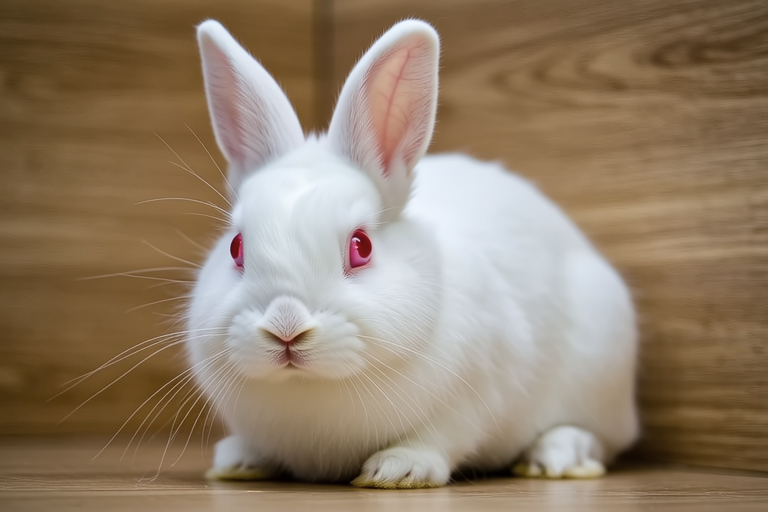
Dutch Dwarfs are known for their distinctive markings, which include a white blaze on the face, a white body, and contrasting colored ears, nose, and feet. Their eyes are typically red, adding to their charming appearance. With their short, dense fur and rounded bodies, Dutch Dwarfs look like living teddy bears. They come in various colors, such as black, chocolate, blue, and lilac, making each individual unique.
Temperament and Personality
One of the most appealing aspects of Dutch Dwarf Rabbits is their friendly and sociable nature. They are generally gentle, playful, and enjoy interacting with their human companions. Unlike some larger rabbit breeds, Dutch Dwarfs are less likely to be skittish around children and strangers. Their calm demeanor makes them ideal pets for families with young children, as they can tolerate handling well. However, it’s important to teach children how to handle rabbits gently to avoid accidents.
Care Requirements
Proper care is essential for ensuring the health and happiness of your Dutch Dwarf Rabbit. Providing a clean, comfortable living environment is key. A spacious cage that allows for movement and exploration is necessary. The cage should have a solid floor to prevent injuries from wire flooring. Adding a litter box with soft bedding, such as hay or paper-based pellets, helps maintain cleanliness. Regular cleaning of the cage and changing the bedding are crucial for hygiene.
Dutch Dwarfs require daily interaction and playtime outside their cage. This helps prevent boredom and promotes mental stimulation. Providing toys, tunnels, and chew items encourages physical activity and keeps them entertained. Additionally, rabbits are social animals and thrive when given companionship. If possible, consider adopting two Dutch Dwarfs to keep each other company.
Dietary Needs
A balanced diet is vital for the health of your Dutch Dwarf Rabbit. Their primary food source should be high-quality hay, such as timothy or orchard grass. Hay provides essential fiber, aids digestion, and supports dental health. Fresh vegetables, such as leafy greens, carrots, and bell peppers, should be offered daily. Fruits can be given occasionally as treats but should not make up a significant portion of their diet due to their sugar content.
Rabbit-specific pellets can be provided in moderation to supplement their nutritional needs. It’s important to choose pellets formulated for small breeds, as Dutch Dwarfs have specific dietary requirements. Always consult with a veterinarian to determine the appropriate amount of pellets for your rabbit’s age and weight. Clean, fresh water should be available at all times, either through a water bottle or a sturdy dish.
Exercise Recommendations
Despite their small size, Dutch Dwarfs need ample space to stretch and exercise. Providing a safe area for supervised playtime outside the cage is recommended. A rabbit-proofed room or a designated playpen allows them to explore, hop, and burn off energy. Interactive toys, tunnels, and platforms can enhance their play experience and stimulate their natural instincts.
Outdoor playtime can also be enjoyable for Dutch Dwarfs, but it requires careful supervision. Ensure the area is secure, free from predators, and protected from extreme weather conditions. Introduce your rabbit gradually to outdoor environments to acclimate them to new surroundings.
Common Health Issues
Like all animals, Dutch Dwarfs are susceptible to certain health issues. Dental problems are common in rabbits due to their constantly growing teeth. Providing plenty of hay and chew toys helps wear down their teeth naturally. Signs of dental issues include difficulty eating, drooling, or swollen cheeks. Regular veterinary check-ups can help detect and address any dental concerns early.
Another common issue is gastrointestinal stasis, where the digestive system slows down or stops functioning properly. This can be caused by stress, lack of fiber, or dehydration. Ensuring a proper diet, providing adequate exercise, and maintaining a stress-free environment can help prevent this condition. Prompt veterinary attention is crucial if you suspect your rabbit is experiencing gastrointestinal stasis.
Respiratory infections can also occur in rabbits, especially in unsanitary environments. Keeping the cage clean, providing good ventilation, and avoiding drafts are essential preventive measures. Signs of respiratory issues include sneezing, runny nose, or labored breathing. Consulting a veterinarian promptly is important for diagnosis and treatment.
Ideal Pets for Small Spaces
One of the reasons Dutch Dwarfs are so popular among pet owners is their suitability for small living spaces. Their compact size makes them manageable in apartments or homes with limited space. However, it’s important to remember that even small rabbits still need adequate room to move and play. Providing a spacious cage and regular playtime ensures they can lead a happy and healthy life in smaller environments.
For those who live in apartments or homes without yards, Dutch Dwarfs can be a great choice. Their indoor-friendly nature and ability to adapt to different environments make them versatile pets. Just ensure they have enough space and stimulation to thrive.
Tips for First-Time Rabbit Owners
If you’re new to rabbit ownership, here are some valuable tips to get you started:
- Research extensively: Before bringing home a Dutch Dwarf Rabbit, familiarize yourself with their specific needs and behaviors. Understanding their care requirements will help you provide the best possible environment.
- Choose the right cage: Invest in a spacious, well-ventilated cage with a solid floor. This provides comfort and prevents injuries. Adding soft bedding and a litter box enhances hygiene.
- Provide enrichment: Toys, tunnels, and platforms stimulate mental and physical activity. Rotate toys periodically to keep things interesting for your rabbit.
- Handle with care: Rabbits are delicate creatures, so always support their back and bottom when holding them. Teach children gentle handling techniques to avoid accidents.
- Monitor their diet: Offer a balanced diet of hay, fresh vegetables, and rabbit-specific pellets. Monitor their weight and adjust feeding accordingly.
- Seek professional advice: Consult with a veterinarian experienced in rabbit care. They can provide guidance on vaccinations, grooming, and addressing any health concerns.
Unique Characteristics of Dutch Dwarf Rabbits
Dutch Dwarfs possess several unique traits that set them apart from other rabbit breeds:
- Distinctive markings: Their white blaze, contrasting colored ears, nose, and feet make them instantly recognizable.
- Compact size: Weighing between 1.8 to 2.3 kg (4 to 5 pounds), they are perfect for small spaces.
- Sociable nature: Their friendly and playful demeanor makes them excellent companions for families and individuals alike.
- Short lifespan: Dutch Dwarfs typically live between 7 to 10 years, so they offer a relatively long companionship.
- High intelligence: They are quick learners and can be trained to perform simple tricks or respond to commands.
In conclusion, Dutch Dwarf Rabbits are charming, compact, and friendly pets that bring joy to many households. Their unique appearance, gentle temperament, and adaptability make them ideal companions for small spaces. By understanding their care requirements, providing proper nutrition, and ensuring regular exercise, you can ensure a happy and healthy life for your Dutch Dwarf Rabbit. With the right attention and love, these adorable creatures will become cherished members of your family.
