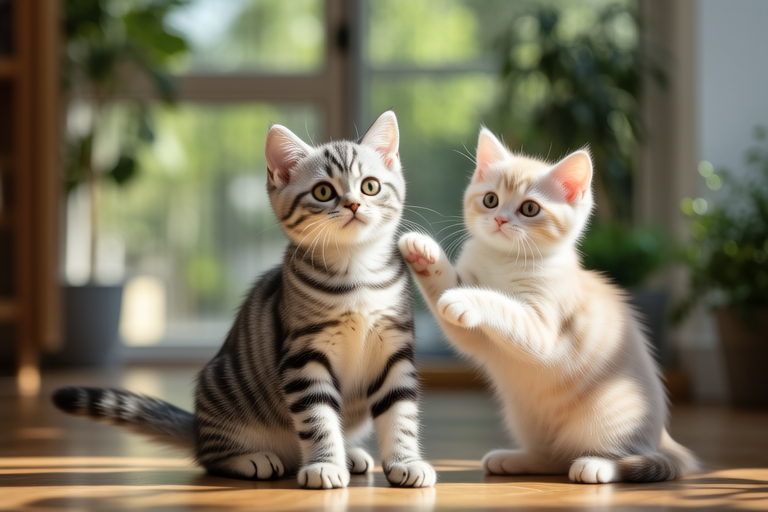
Adorable Munchkins: The Cats with Tiny Tires
Welcome to the enchanting world of Munchkin cats, often referred to as the cats with tiny tires. These endearing creatures have captured the hearts of cat enthusiasts worldwide with their unique physical attributes, playful personalities, and affectionate nature. This article aims to provide an engaging and informative overview of the Munchkin breed, highlighting their distinct features, health considerations, popular myths, and essential care tips for prospective owners.
The Unique Physical Characteristics of Munchkin Cats
Munchkin cats are most recognizable by their unusually short legs, a genetic mutation that gives them a distinct appearance. Their front legs are typically shorter than their hind legs, resulting in a slightly arched back when they walk or run. Despite their diminutive stature, Munchkin cats are surprisingly agile and can move with surprising speed and grace. Their small size does not hinder their ability to jump; many Munchkins can leap onto high surfaces with ease.
These cats come in a wide variety of coat colors and patterns, including tabby, calico, and tortoiseshell. Their coats can be either long-haired or short-haired, adding to their diversity. Regardless of their coat type, Munchkins generally have soft, plush fur that requires minimal grooming. Their large, expressive eyes and petite faces contribute to their irresistibly cute appearance.
Playful and Affectionate Nature
Munchkin cats are renowned for their playful and sociable demeanor. They are highly interactive and enjoy engaging with their human companions through games and play. Whether it’s chasing a laser pointer or batting at a toy mouse, Munchkins are always up for a game. Their curiosity and inquisitive nature make them excellent companions for families with children, as they tend to adapt well to household activities.
Despite their playful side, Munchkin cats also possess a loving and affectionate nature. They are known to be very attached to their owners and enjoy being close to them. Munchkins often seek out attention and are happy to sit on laps or curl up next to their humans for snuggles. Their gentle and docile temperament makes them ideal pets for individuals looking for a lap cat that provides constant companionship.
Common Health Concerns
While Munchkin cats are generally healthy, their unique physique can lead to certain health issues. One of the most significant concerns is spinal problems, particularly lordosis and pectus excavatum. Lordosis refers to an abnormal curvature of the spine, while pectus excavatum is a condition where the sternum is sunken. These conditions can cause discomfort and may require veterinary intervention.
To minimize the risk of spinal issues, it’s crucial to provide Munchkin cats with a safe and comfortable living environment. Avoid placing heavy objects or furniture near where your Munchkin likes to jump, and ensure that their living space is free from sharp edges or other potential hazards. Regular exercise and maintaining a healthy weight can also help prevent joint problems associated with their short legs.
Another common health concern for Munchkin cats is obesity. Due to their limited mobility, Munchkins can become overweight if not provided with adequate exercise and a balanced diet. To promote a healthy lifestyle, engage your Munchkin in regular play sessions and offer nutritious, portion-controlled meals. Consult with your veterinarian to determine the appropriate diet and exercise regimen for your cat.
Popular Myths Surrounding the Breed
Despite their popularity, Munchkin cats have been subject to several misconceptions and myths. One prevalent myth is that all Munchkin cats suffer from severe health issues due to their short legs. While it is true that some Munchkins may experience spinal problems, the majority of these cats live healthy, active lives. Responsible breeding practices and careful selection of breeding pairs have significantly reduced the prevalence of serious health issues in the breed.
Another misconception is that Munchkin cats are prone to respiratory problems because of their short legs. There is no scientific evidence to support this claim. Respiratory issues are more commonly associated with brachycephalic breeds, such as Persians and Himalayans, which have flattened faces and shorter nasal passages.
It is important to dispel these myths and focus on the positive aspects of the Munchkin breed. By understanding the true nature of these delightful cats, we can appreciate their unique qualities and provide them with the love and care they deserve.
Tips for Potential Owners
If you’re considering adopting a Munchkin cat, there are several factors to keep in mind to ensure their happiness and well-being. First and foremost, it’s essential to find a reputable breeder who prioritizes the health and welfare of their cats. A responsible breeder will provide documentation of health clearances and conduct thorough health screenings for breeding pairs.
When bringing a Munchkin home, create a welcoming environment that accommodates their unique needs. Provide comfortable resting spots, such as soft blankets or cozy beds, and ensure that their living area is free from hazards. Munchkin cats thrive in environments that stimulate their minds and bodies, so consider investing in interactive toys and climbing structures to encourage physical activity.
Regular veterinary check-ups are crucial for maintaining the health of your Munchkin cat. Schedule routine visits with your veterinarian to monitor their overall health and address any potential issues early on. Additionally, keep your Munchkin up-to-date on vaccinations and preventive care measures, such as flea and tick treatments.
Lastly, be prepared for the emotional bond that develops between you and your Munchkin. These affectionate cats form strong attachments to their owners and provide endless companionship. By providing them with love, care, and attention, you’ll ensure a fulfilling and joyful relationship with your new feline friend.
Conclusion
Munchkin cats are truly one-of-a-kind creatures, combining charm, playfulness, and affection in a package that is hard to resist. Their unique physical characteristics, coupled with their lovable personalities, make them standout pets for those seeking a special companion. While they may face some health challenges, responsible ownership and proper care can help mitigate these risks and ensure a long, happy life for your Munchkin.
By embracing the uniqueness of Munchkin cats and addressing common misconceptions, we can celebrate the breed’s many positive attributes. With the right care and attention, Munchkin cats can bring immense joy and companionship to their human families. So, if you’re ready to welcome a Munchkin into your home, prepare yourself for a lifetime of cuddles, playtime, and unforgettable moments with your tiny-tired feline friend.
