Devon Rex Cats – The Ultimate Guide for Pet Enthusiasts
Welcome to the world of Devon Rex cats, one of the most unique and captivating breeds in the feline kingdom. Known for their distinctive curly coats and playful personalities, Devon Rex cats have captured the hearts of many pet enthusiasts around the globe. This guide aims to provide you with all the essential information about Devon Rex cats, from their origins and physical traits to their care requirements and social behavior.
Origins and History
The Devon Rex breed originated in England in the 1960s. A feral tomcat named Kirlee, with an unusual curly coat, was the progenitor of this breed. Kirlee’s offspring, when bred with domestic cats, produced kittens that inherited his unique coat. These cats were then selectively bred to enhance their distinct characteristics, leading to the development of the Devon Rex breed as we know it today. Their name comes from their place of origin, Devon, and the word “Rex,” which is used to denote animals with a distinctive coat.
Physical Traits
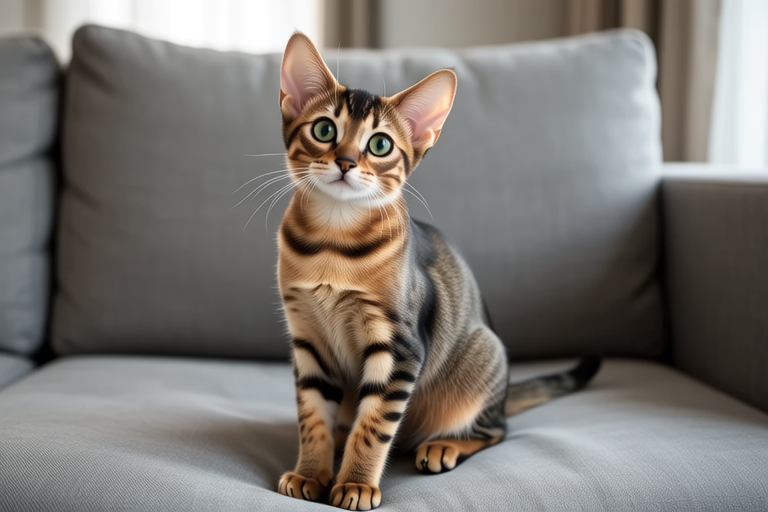
Devon Rex cats are known for their striking appearance. They have large, bat-like ears, wide-set eyes, and a slender, muscular body. Their most notable feature is their short, fine, and wavy coat, which can be found in various colors and patterns. Unlike some other breeds, Devon Rex cats do not have an undercoat, making them hypoallergenic for people who are allergic to cat dander.
Grooming Needs
Despite their short fur, Devon Rex cats require regular grooming to maintain their coat’s condition. Brushing them weekly helps remove loose hair and prevents matting. Bathing is generally unnecessary unless the cat gets particularly dirty or has skin issues. It’s important to note that Devon Rex cats should not be bathed too frequently as it can strip their skin of natural oils.
Health Considerations
Like all breeds, Devon Rex cats are prone to certain genetic conditions. Hypertrophic cardiomyopathy (HCM), a heart disease, is one such condition. Regular veterinary check-ups, including heart screenings, are recommended to monitor their health. Additionally, Devon Rex cats may be susceptible to patellar luxation, a knee joint disorder. Early detection and treatment can help manage these conditions effectively.
Dietary Recommendations
A balanced diet is crucial for maintaining a Devon Rex cat’s health. High-quality commercial cat food, tailored to their age, size, and activity level, is ideal. Consult your veterinarian to determine the appropriate amount and type of food for your cat. Fresh water should always be available, and it’s beneficial to include occasional treats in moderation to keep them engaged and happy.
Training Tips
Devon Rex cats are highly intelligent and can be trained to perform tricks or respond to commands. Positive reinforcement techniques, such as rewarding good behavior with treats or praise, are effective. Training sessions should be short and fun to keep the cat interested and motivated. Consistency is key in establishing routines and reinforcing desired behaviors.
Creating a Stimulating Environment
Providing a stimulating environment is essential for a Devon Rex cat’s well-being. Interactive toys, scratching posts, and climbing structures encourage exercise and mental stimulation. Rotate toys regularly to prevent boredom and keep their interest piqued. Cat-proof your home by securing small objects and ensuring that electrical cords are out of reach.
Social Behavior
Devon Rex cats are sociable and enjoy human companionship. They thrive in households where they receive plenty of attention and affection. They often follow their owners around the house, seeking interaction and involvement in daily activities. Their playful nature makes them excellent companions for families and individuals alike.
Compatibility with Children and Other Pets
Devon Rex cats are generally compatible with children and other pets. However, supervision is recommended during initial interactions to ensure everyone adjusts well. Their playful and gentle demeanor makes them a great choice for homes with children, provided that the children are taught to handle them gently and respect their boundaries.
Common Misconceptions
One common misconception about Devon Rex cats is that they don’t need much grooming due to their short fur. While their coat is low-maintenance compared to some other breeds, regular brushing is still necessary to keep it healthy. Another myth is that all Devon Rex cats are hypoallergenic. While many people find them less allergenic, individual reactions can vary, so it’s best to spend time with the cat before adopting.
Conclusion
Devon Rex cats are truly special companions, offering a unique blend of intelligence, playfulness, and affection. By understanding their origins, physical traits, care requirements, and social behavior, you can provide them with a loving and enriching environment. Whether you’re a seasoned cat owner or considering adding a Devon Rex to your family, this guide will help you make informed decisions and ensure a fulfilling relationship with these charming creatures.
