The Best Diet Tips to Make Your Bearded Dragon Thrive
Bearded dragons are beloved pets that can live up to 10 years with proper care. One of the most crucial aspects of their well-being is their diet. A balanced and nutritious diet ensures they grow, thrive, and maintain vibrant coloration. This article will provide a comprehensive guide on the best diet tips for your bearded dragon, covering everything from the importance of a balanced diet to common feeding mistakes to avoid.
The Importance of a Balanced Diet
A balanced diet is key to ensuring your bearded dragon’s overall health. It provides them with the necessary nutrients to support their immune system, energy levels, and digestive health. A varied diet also helps prevent nutritional deficiencies that can lead to serious health issues.
Recommended Frequency and Quantity of Feeding
The frequency and quantity of food you offer depend on your bearded dragon’s age. Juvenile bearded dragons require more frequent meals, often three times a day, while adults typically need to eat once or twice daily. Always adjust the portion size according to your pet’s age and size, offering just enough food that they can consume in about 15 minutes. Overfeeding can lead to obesity and other health problems.
Types of Vegetables and Fruits Beneficial for Their Nutrition
Vegetables and fruits form a significant part of your bearded dragon’s diet. Dark leafy greens like collard greens, mustard greens, and dandelion greens are rich in vitamins and minerals. Avoid feeding iceberg lettuce as it has little nutritional value. Other vegetables such as squash, bell peppers, and carrots provide essential vitamins A and C. Fruits like mangoes, papayas, and berries should be given sparingly due to their high sugar content.
Appropriate Protein Sources
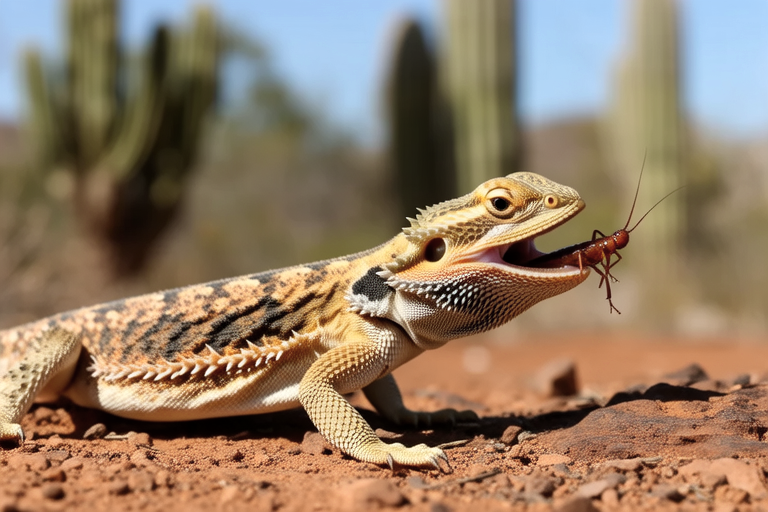
Protein is vital for growth and muscle development. Young bearded dragons should have a higher protein intake than adults. Acceptable protein sources include crickets, dubia roaches, and superworms. Dust these insects with calcium and vitamin D3 supplements before feeding to ensure they get the right nutrients. Avoid mealworms as they are hard to digest and can cause impaction.
Calcium and Vitamin D3 Supplementation
Calcium and vitamin D3 are crucial for bone health. Lack of calcium can lead to metabolic bone disease (MBD), which weakens bones and causes deformities. Provide a calcium supplement specifically designed for reptiles. Dust their food with calcium powder every other day and offer a small amount of vitamin D3 weekly. Exposure to UVB lighting is also essential for vitamin D3 synthesis.
Hydration Tips
Bearded dragons obtain most of their moisture from the foods they eat. However, providing a shallow water dish allows them to hydrate when needed. Change the water daily to prevent bacterial growth. Misting their enclosure occasionally can also help maintain humidity levels, which aids in shedding.
Common Feeding Mistakes to Avoid
Some common feeding mistakes include overfeeding, feeding inappropriate foods, and not providing a varied diet. Overfeeding can lead to obesity and other health issues. Feeding inappropriate foods, such as iceberg lettuce or too many high-sugar fruits, can cause nutritional imbalances. Not providing a varied diet can lead to deficiencies. Always research and consult with a veterinarian if unsure about what to feed your bearded dragon.
How Diet Impacts Growth, Coloration, and Overall Vitality
A healthy diet directly affects your bearded dragon’s growth, coloration, and overall vitality. Proper nutrition supports rapid growth in juveniles and maintains muscle tone and skin condition in adults. A balanced diet also promotes vibrant coloration and prevents dull or faded scales. Regular check-ups with a reptile veterinarian can help monitor your bearded dragon’s health and address any potential issues early.
Conclusion
Providing a balanced and nutritious diet is essential for your bearded dragon’s health and longevity. By following the guidelines outlined in this article, you can ensure your pet receives the nutrients it needs to thrive. Remember, a varied diet is key to preventing nutritional deficiencies and promoting optimal health. Consult with a veterinarian if you have any concerns about your bearded dragon’s diet or health.
