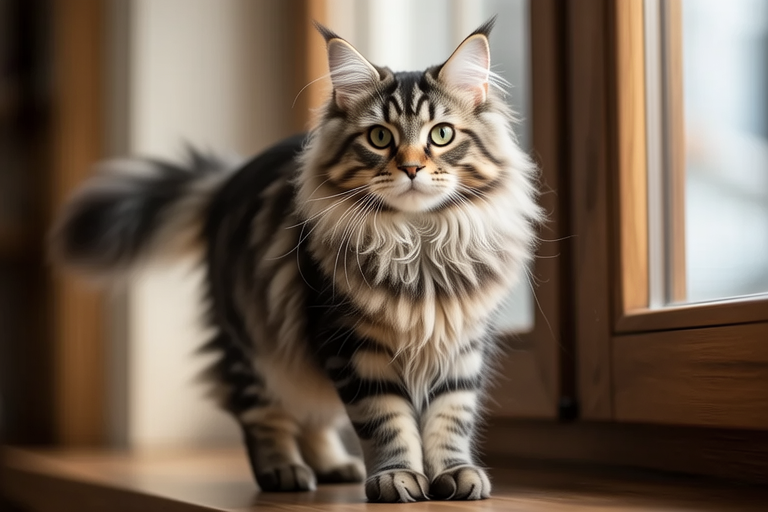
Maine Coon Cats: A Comprehensive Guide for New and Furry Lovers
Welcome to your ultimate guide to the majestic and beloved Maine Coon cats. These large, gentle giants have captured the hearts of many cat lovers worldwide. Known for their striking appearance, playful nature, and friendly demeanor, Maine Coons are among the most popular cat breeds today. Whether you’re a seasoned cat owner or a first-time pet parent, this guide will provide all the essential information to help you understand and care for your Maine Coon.
Introduction: The Popularity and Unique Characteristics of Maine Coon Cats
Maine Coon cats are famous for their distinctive appearance, which includes a thick, water-resistant coat, tufted ears, and a long, bushy tail. Their size, intelligence, and adaptability make them a favorite among families. With a history that dates back centuries, these cats have become a symbol of loyalty and companionship. They are often described as ‘dogs in cat’s clothing’ due to their love for play, affection, and interaction with humans.
The Origin of Maine Coon Cats
The exact origins of the Maine Coon are shrouded in mystery, but several theories exist. One popular legend suggests that the breed originated from matings between semi-wild domestic cats and raccoons, giving rise to their name. However, genetic studies have debunked this myth, showing no relation between raccoons and Maine Coons. Another theory posits that the breed developed through natural selection, adapting to harsh New England winters. Regardless of their true origin, Maine Coons are one of the oldest natural breeds in North America.
Physical Traits of Maine Coon Cats
Maine Coons are known for their robust build and impressive size. Males typically weigh between 13 to 18 pounds, while females range from 9 to 12 pounds. They can reach lengths of up to 40 inches from nose to tail tip. Their coats come in various colors and patterns, including tabby, tortoiseshell, and solid colors like black, white, and red. Their fur is long and shaggy, especially around the neck, resembling a lion’s mane. This thick coat provides insulation against cold weather, making them well-suited for outdoor life.
Temperament of Maine Coon Cats
Maine Coons are renowned for their friendly and sociable nature. They are highly intelligent and enjoy interactive play, making them excellent companions for families and individuals alike. Despite their large size, they are gentle and patient, often tolerating handling by children and other pets. Maine Coons are also known for their vocalizations; they communicate with soft chirps and trills rather than loud meows. Their curiosity and love for exploration make them engaging and entertaining pets.
Care Tips for Maine Coon Cats
Dietary Needs
Maine Coons require a balanced diet rich in proteins and fats to maintain their muscle mass and energy levels. High-quality commercial cat foods designed for large breeds are ideal. Fresh water should always be available, and it’s important to avoid overfeeding to prevent obesity. Consult your veterinarian for specific dietary recommendations based on your cat’s age, weight, and activity level.
Grooming Requirements
Due to their long, dense fur, Maine Coons need regular grooming to prevent matting and hairballs. Brush them at least twice a week, more frequently during shedding seasons. Bathing may be necessary occasionally, but aim to keep it minimal to avoid stripping their natural oils. Regular nail trimming and ear cleaning are also essential to maintain their hygiene.
Health Issues Specific to the Breed
Like any breed, Maine Coons are prone to certain health issues. Hypertrophic cardiomyopathy (HCM), a form of heart disease, is common in the breed. Regular veterinary check-ups, including cardiac screenings, can help detect and manage this condition. Hip dysplasia and spinal arthritis are other potential concerns. Genetic testing can identify carriers of these conditions, allowing informed breeding decisions.
Exercise Needs
Maine Coons are active and enjoy playing, especially with toys that stimulate their hunting instincts. Interactive play sessions using laser pointers, feather wands, or puzzle feeders can keep them entertained and physically fit. Providing scratching posts, climbing trees, and window perches can also encourage natural behaviors and exercise.
Socializing and Training Maine Coon Cats
Early socialization is crucial for developing a well-rounded and confident Maine Coon. Expose them to different environments, people, and animals from a young age. Positive reinforcement techniques, such as clicker training, can teach basic commands and tricks. Reward-based training methods work best, as Maine Coons respond well to praise and treats. Patience and consistency are key when teaching your cat new behaviors.
The Bond Between Maine Coon Cats and Their Owners
The deep bond between Maine Coons and their owners is one of the reasons why they are so cherished. These cats form strong attachments to their human families, providing comfort, companionship, and joy. Their loyalty and affectionate nature make them ideal pets for those seeking a close relationship with their feline friend. Owning a Maine Coon is not just about having a pet; it’s about welcoming a member of the family into your home.
In conclusion, Maine Coon cats are truly remarkable creatures, combining beauty, intelligence, and affection. By understanding their unique needs and providing proper care, you can ensure a long and happy life together. Whether you’re a seasoned cat lover or new to the world of felines, a Maine Coon will undoubtedly enrich your life with their presence. Embrace the journey of sharing your home with one of these magnificent cats, and prepare yourself for a lifetime of love and adventure.
