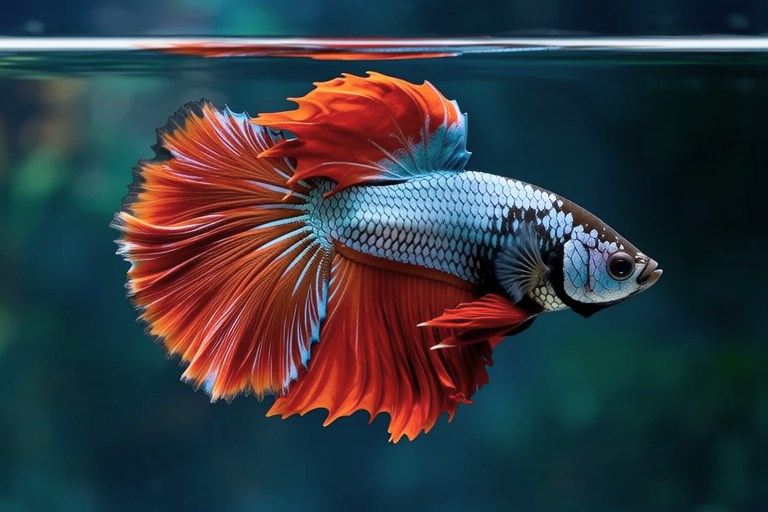
Betta Beauty: Showstopping Tail Designs You Need to See
Welcome to the vibrant world of betta fish, where each tail design tells a story of evolution, artistry, and dedication. From the classic Veil Tail to the intricate Double Tail, bettas have captured the hearts of aquarium enthusiasts worldwide. This article delves into the mesmerizing variety of betta tail designs, their unique features, care requirements, and the colorful history behind them.
The Evolution of Betta Tail Designs
Betta fish, native to the rice paddies of Southeast Asia, have been selectively bred for centuries to enhance their natural beauty. The first recorded betta shows date back to the 1840s in Thailand, where local fishermen noticed the striking colors and elaborate fins of wild bettas. Over time, breeders began selecting for specific traits, such as longer tails and more vibrant hues, leading to the diverse array of tail designs we see today.
Classic Tail Designs
Veil Tail (VT)
The Veil Tail, often considered the standard among bettas, is characterized by its long, flowing fins that gracefully trail behind the fish. These tails can extend up to twice the length of the body, making them perfect for leisurely swimming. The Veil Tail’s simplicity in design makes it ideal for beginners, offering a gentle introduction to the world of betta tail aesthetics.
Danios
Danios, with their semi-long, flowing tails, are a step up from the Veil Tail in terms of fin length. They are known for their elegant movement and are relatively easy to care for. Danios come in a wide range of colors, making them a favorite among betta enthusiasts.
Intricate Tail Designs
Double Tail (DT)
The Double Tail, one of the most sought-after tail designs, features two distinct sections of the tail separated by a deep indentation. This split gives the impression of two separate tails, creating a visually stunning effect. Double Tails are known for their agility and are often seen performing acrobatic maneuvers in the water. However, they require careful handling due to their delicate nature.
Half Moon (HM)
A true showstopper, the Half Moon tail spreads out to form a perfect 180-degree semicircle when the fish is fully extended. This design demands precise breeding and care, as even slight deviations from the ideal angle can disqualify a betta in competitions. Half Moons are admired for their boldness and are often showcased at major events.
Rare and Lesser-Known Tail Varieties
Pineapple Tail
The Pineapple Tail, a less common but highly distinctive design, features a series of rounded lobes along the edges of the tail, resembling the segments of a pineapple. This tail type requires meticulous breeding and care, as any irregularities can detract from its unique appearance. Pineapple Tails are prized for their uniqueness and are a favorite among collectors.
Crowntail (CT)
Crowntail bettas are recognized by their spiky, comb-like tail and dorsal fins, which give them a regal, almost otherworldly appearance. The Crowntail tail design is particularly popular among enthusiasts who appreciate its striking elegance and rarity. Crowntails are also valued for their resilience and adaptability.
Popular Colorations
Betta fish come in a vast array of colors, from the traditional blues and reds to more exotic shades like purple and black. Many tail designs are available in multiple color variations, allowing for endless combinations. Some popular colorations include:
- Red Veil Tail: A fiery display of color that commands attention.
- Blue Crowntail: A serene, almost ethereal presence in the tank.
- Black Half Moon: An enigmatic and mysterious look that captivates viewers.
Maintaining Health and Beauty
Proper care is essential for keeping your betta fish healthy and beautiful. Here are some tips for maintaining the health and beauty of bettas with different tail types:
- Water Quality: Regular water changes and proper filtration are crucial for all bettas, but especially those with long, delicate tails. Poor water quality can lead to fin rot, a condition that damages the tail and reduces its aesthetic appeal.
- Diet: A balanced diet rich in nutrients helps maintain vibrant colors and promotes healthy growth. Consider incorporating high-quality flake food, live or frozen foods, and occasional treats like bloodworms.
- Handling: Be gentle when moving or cleaning your betta’s tank, as rough handling can damage delicate tails. Use a soft net or cup to minimize stress.
The Community Around Betta Fish
The betta fish community is a passionate and supportive group of individuals who share a love for these magnificent creatures. Whether you’re a beginner or an experienced breeder, there’s always something new to learn and explore. Joining online forums, attending local meetups, or participating in shows can help you connect with others who share your passion for betta fish.
Competitions and showcases are great opportunities to admire the latest trends in betta tail designs and learn from experts in the field. These events celebrate the beauty and diversity of betta fish, encouraging responsible breeding practices and promoting the well-being of these beloved pets.
Conclusion
Betta fish, with their incredible variety of tail designs, offer a fascinating glimpse into the world of selective breeding and aquatic artistry. From the classic Veil Tail to the intricate Half Moon, each tail design has its own unique charm and care requirements. By understanding the history and evolution of these designs, as well as the importance of proper care, you can ensure that your betta fish remains healthy and beautiful for years to come.
Join the vibrant community of betta enthusiasts and discover the joy of owning these magnificent fish. Whether you’re a seasoned breeder or a curious beginner, there’s always something new to learn and admire in the captivating world of betta tail designs.
