Clownfish Behavior: A Dive Into Their Natural Habitat and Aquarium Settings
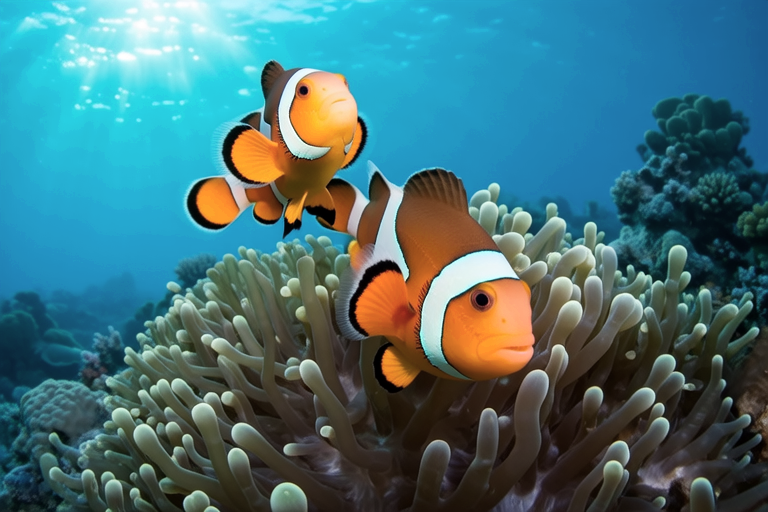
Clownfish, also known as anemonefish, are one of the most recognizable fish species due to their vibrant colors and close relationship with sea anemones. These small, yet fascinating creatures exhibit a range of behaviors and social structures that are both captivating and essential for their survival. This article delves into the daily activities and behaviors of clownfish in their natural habitat and aquarium settings, highlighting their social structures, feeding habits, interactions within the anemone, and how they navigate challenges like territoriality and threats from predators.
Social Structures
In their natural habitat, clownfish live in groups consisting of a breeding pair and up to four non-breeding individuals. The breeding pair is the dominant couple, and they maintain a strict hierarchy within the group. The largest female is the alpha female, followed by the largest male. The remaining individuals are typically younger fish that have not yet reached sexual maturity. In aquarium settings, the social structure can vary depending on the number of clownfish present. If only a single pair is kept, they will often form a monogamous relationship, but if more than two are introduced, a hierarchy may still develop.
Feeding Habits
Clownfish are omnivorous, meaning they consume both plant and animal matter. In the wild, they primarily feed on algae, zooplankton, and small invertebrates such as copepods and amphipods. They also scavenge for leftovers from their host anemone, including bits of food that the anemone has captured. In aquariums, clownfish are usually fed a diet of high-quality flake or pellet foods designed for omnivorous fish. However, it is important to provide a variety of foods to ensure they receive all necessary nutrients. Some aquarists also supplement their diet with occasional live foods like brine shrimp or blackworms.
Interactions Within the Anemone
The relationship between clownfish and their host anemone is symbiotic, meaning both parties benefit from the association. Clownfish gain protection from predators by living among the tentacles of the anemone, which are armed with stinging cells called nematocysts. In return, the clownfish help to clean the anemone by removing debris and dead tissue, and they may also attract prey for the anemone. Additionally, some studies suggest that clownfish may enhance the anemone’s ability to capture prey by increasing water flow around the anemone with their movements.
Navigating Challenges: Territoriality and Predators
Clownfish are highly territorial and will aggressively defend their anemone from other clownfish or potential threats. When a new individual enters the territory, the resident clownfish will perform a series of displays, including darting back and forth, extending their fins, and making rapid movements. If the intruder persists, physical confrontations may occur, involving biting and chasing. In terms of predator avoidance, clownfish rely heavily on their host anemone for protection. However, they also have several behavioral adaptations that help them avoid predation. For example, they often swim in tight circles near the base of the anemone, making it difficult for larger fish to approach. Additionally, they may hide within the anemone’s tentacles when sensing danger.
Unique Swimming Patterns and Communication Methods
Clownfish have a distinctive swimming pattern characterized by rapid, darting movements. This behavior serves multiple purposes, including maintaining their position within the anemone and communicating with other members of their group. They also use body language and sounds to communicate. For instance, they may produce clicking or popping sounds when agitated or during courtship. Visual cues, such as changes in coloration or specific fin movements, are also used to convey information about their mood or intentions.
Interesting Adaptations
One of the most remarkable adaptations of clownfish is their ability to withstand the potent toxins produced by their host anemone. This adaptation allows them to live safely among the tentacles without being harmed by the nematocysts. Another interesting adaptation is their ability to change sex. All clownfish are born as males, and if the dominant female dies, the largest male will undergo a transformation and become the new female. This ensures that the group remains stable and capable of reproduction.
Comparison Between Wild and Captive Behaviors
While many aspects of clownfish behavior remain consistent whether they are in the wild or in captivity, there are some notable differences. In the wild, clownfish have access to a much wider variety of foods and are exposed to a greater diversity of environmental stimuli. This can lead to more complex social interactions and a broader range of behaviors. In contrast, captive clownfish may exhibit less variability in their behavior due to the controlled environment of an aquarium. However, this does not necessarily mean that they are less active or engaged; rather, their behavior is simply shaped by different factors.
Reflections on Understanding Clownfish Behavior for Marine Conservation Efforts
Understanding the behavior of clownfish is crucial for marine conservation efforts. By studying these fish in their natural habitat, we can gain valuable insights into the delicate balance of coral reef ecosystems. This knowledge can inform conservation strategies aimed at protecting not only clownfish but also the entire reef community. Additionally, understanding the specific needs and behaviors of clownfish in captivity can improve the success of breeding programs and contribute to the sustainability of the aquarium trade. Ultimately, a deeper understanding of clownfish behavior can help us protect these remarkable creatures and the diverse ecosystems they inhabit.
