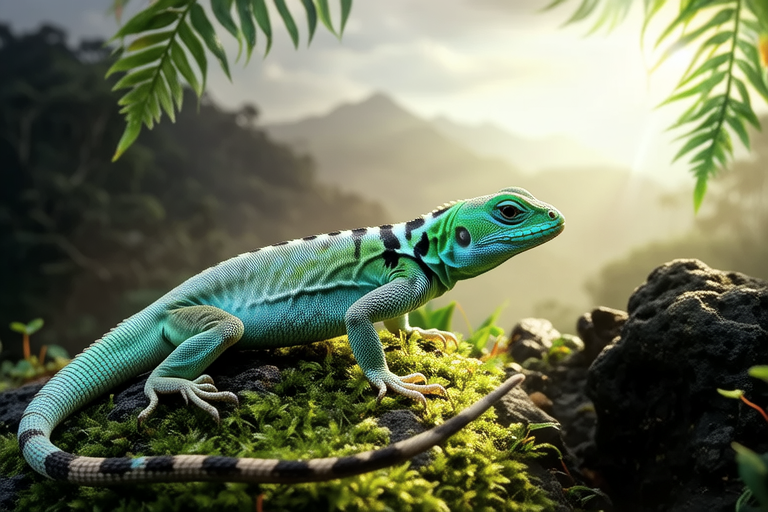
Splendid Japalure: The Unique Pet That Will Steal Your Heart
Welcome to the fascinating world of Japalures! These unique creatures have been captivating hearts worldwide with their distinct charm, making them an increasingly popular choice among pet enthusiasts. Unlike traditional pets such as dogs or cats, Japalures offer a fresh and intriguing alternative. Their vibrant personalities, coupled with their exotic appearance, make them a delightful addition to any home.
In this article, we will delve into the various aspects of owning a Japalure, from understanding their physical characteristics and temperament to learning about their dietary needs and housing requirements. We’ll also explore ways to interact with your Japalure and share heartwarming stories from owners who have fallen in love with these remarkable pets.
Physical Characteristics
Japalures are small, feathered creatures known for their striking appearance. They typically grow to be around 8 inches tall, making them manageable and easy to handle. Their feathers come in a wide array of colors, ranging from bright reds and oranges to deep blues and greens, creating a visually stunning effect. Each Japalure has its own unique pattern, ensuring that no two look exactly alike.
One of the most distinctive features of Japalures is their long tail, which they often use for balance and communication. Their eyes are large and expressive, giving them an endearing and intelligent look. Japalures also have strong legs, designed for quick movement and agility, which allows them to leap and climb with ease.
Temperament
Japalures are social animals that thrive on interaction and companionship. They are generally friendly and affectionate, forming strong bonds with their owners. However, each Japalure has its own personality, so it’s important to spend time getting to know your pet. Some may be more outgoing and playful, while others might prefer quieter moments.
These birds are highly intelligent and can learn tricks and commands, making them enjoyable to train. They are also known for their curious nature, always eager to explore new environments and objects. This curiosity can sometimes lead to mischief, but it also makes them entertaining and fun to watch.
Care Requirements
Diet
A well-balanced diet is essential for keeping your Japalure healthy and happy. Their diet should consist of a variety of fruits, vegetables, seeds, and pellets specifically formulated for Japalures. It’s important to provide a mix of nutrients to ensure they receive all the vitamins and minerals necessary for their growth and well-being.
Offer fresh water daily, and consider providing a shallow dish of water for bathing. Japalures enjoy splashing and playing in water, which can help keep them clean and entertained. Avoid feeding them foods high in sugar or salt, as these can be harmful to their health.
Housing Needs
Japalures require spacious living environments where they can move freely and engage in natural behaviors. A large cage or aviary is recommended, providing ample room for climbing, perching, and flying. Ensure the enclosure is secure, with bars spaced closely enough to prevent escape but wide enough for your Japalure to comfortably move through.
The interior of the cage should include perches of varying diameters to exercise their feet and claws. Adding toys and accessories such as swings, ladders, and chewable items will stimulate their minds and bodies, preventing boredom. Regular cleaning of the enclosure is crucial to maintain hygiene and prevent the buildup of bacteria or parasites.
Common Health Issues
Like all pets, Japalures can be susceptible to certain health problems. Regular veterinary check-ups are vital to monitor their overall health and address any issues early. Some common health concerns include respiratory infections, skin conditions, and nutritional deficiencies.
To help prevent illness, maintain a clean living environment, provide a balanced diet, and ensure they receive proper exercise and mental stimulation. Signs of illness in Japalures may include lethargy, loss of appetite, abnormal droppings, or changes in behavior. If you notice any of these symptoms, consult a veterinarian immediately.
Training Tips
Training your Japalure can be a rewarding experience for both you and your pet. Start by establishing a routine and using positive reinforcement techniques such as treats and praise. Consistency is key when teaching commands or tricks.
Begin with basic commands like ‘step up’ and ‘come.’ Once your Japalure masters these, you can introduce more advanced tricks. Training sessions should be short and frequent, lasting only a few minutes at a time, to keep your pet engaged and interested.
Interactive activities can also enhance the bond between you and your Japalure. Engage in playtime with toys, puzzles, or games that challenge their mind and body. These activities not only provide entertainment but also promote mental and physical fitness.
Bonding with Your Japalure
Building a strong relationship with your Japalure takes time and effort. Spend quality time together every day, engaging in activities that both of you enjoy. Whether it’s playing, talking, or simply sitting together, these moments will strengthen the bond between you.
Respect your Japalure’s boundaries and personal space. While they enjoy attention and interaction, some may need quiet time to rest or recharge. Pay attention to their body language and respond accordingly.
By providing love, care, and attention, you’ll create a loving and supportive environment that fosters a deep connection with your Japalure.
Testimonials and Stories
“From the moment I brought my Japalure home, she has been nothing short of amazing. Her vibrant colors and playful nature have brought so much joy to our household. She loves to perch on my shoulder and follow me around the house, and her intelligence makes training her a breeze.”
“I was initially hesitant about getting a Japalure due to their reputation for being high-maintenance, but I couldn’t be happier with my decision. They are incredibly affectionate and always seem to know when I’m feeling down. My Japalure has become my constant companion and source of comfort.”
“What I love most about my Japalure is how unique and special he is. No two Japalures are alike, and his personality truly sets him apart. He has taught me patience, and in return, I’ve learned how to better connect with him through training and play.”
