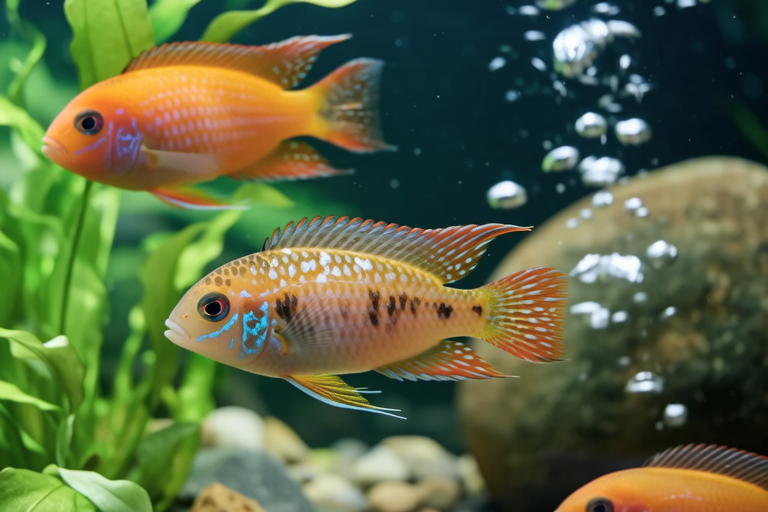
Aquarium Enthusiasts Reveal: Secrets to Thriving Parrot Fish in Your Tank
Parrot fish, known for their striking colors and robust personalities, have become a favorite among aquarium enthusiasts. These fish bring a splash of vibrancy and life to any home aquarium, but they come with specific care requirements that ensure their well-being and longevity. This guide, packed with expert tips from seasoned aquarists, will walk you through everything you need to know about setting up the perfect tank, maintaining optimal water conditions, providing a balanced diet, and selecting compatible tank mates.
The Ideal Tank Setup for Parrot Fish
Creating the right habitat is crucial for the health and happiness of your parrot fish. A minimum tank size of 55 gallons is recommended for a single adult parrot fish, but if you’re planning on housing multiple parrot fish or adding other species, you’ll want to increase the capacity accordingly. Parrot fish can grow quite large, reaching lengths of up to 12 inches, so ample swimming space is essential.
Substrate choice is another important factor. Many aquarists prefer smooth, rounded gravel or sand to prevent injury to the delicate mouthparts of these fish. Decorations such as caves, driftwood, and live plants can provide hiding spots and enhance the overall aesthetic of the tank. However, avoid sharp or jagged decorations that could harm your fish.
Water Parameters for Optimal Health
Maintaining stable and appropriate water parameters is key to the thriving of parrot fish. The pH level should be kept between 6.5 and 8.0, with a slightly higher preference for alkaline water. Ammonia and nitrite levels must be kept at zero, while nitrate levels should remain below 20 ppm. Regular testing and partial water changes (about 20% weekly) help achieve these conditions.
Water hardness should range from 8 to 12 dGH, and temperature should be maintained between 75°F and 82°F. A good quality heater and thermometer are essential tools for achieving and maintaining this temperature range. Additionally, a reliable filtration system that provides both mechanical and biological filtration is necessary to keep the water clean and free of toxins.
Dietary Needs of Parrot Fish
Parrot fish are omnivores, meaning they require a balanced diet of both plant-based and animal-based foods. Their diet should consist primarily of high-quality commercial flake food, pellets, and sinking wafers designed for cichlids or omnivorous fish. To ensure a complete nutritional profile, supplement their diet with fresh vegetables like spinach, zucchini, and peas, as well as occasional treats like brine shrimp or bloodworms.
It’s important to note that overfeeding can lead to digestive issues and poor water quality. Feed your parrot fish small amounts two to three times daily, allowing them to consume the food within a few minutes. Over time, you’ll get to know how much your fish can eat without leaving excess food in the tank.
Selecting Compatible Tank Mates
Choosing the right tank mates for your parrot fish is crucial for maintaining harmony in your aquarium. Parrot fish are generally peaceful but can become territorial, especially when they reach adulthood. Therefore, it’s best to house them with similarly sized, non-aggressive species that won’t compete for food or space.
Good tank mates for parrot fish include other cichlids, medium-sized tetras, and catfish. Avoid aggressive or fin-nipping species like tiger barbs or serpae tetras. It’s also advisable to avoid keeping parrot fish with fish that have long, flowing fins, as parrot fish may nibble on them out of curiosity or aggression.
Common Health Issues and Prevention
Like all aquatic pets, parrot fish are susceptible to certain health issues. One of the most common problems is swim bladder disorder, which can cause buoyancy issues. This condition is often linked to overfeeding or poor water quality. Ensuring proper diet and maintaining excellent water conditions can help prevent this issue.
Another frequent problem is fin rot, which appears as frayed or discolored fins. Fin rot is typically caused by bacterial infections, often stemming from poor water quality. Regular water changes and keeping the tank clean can help prevent this. If you notice signs of fin rot, consult with a veterinarian who specializes in fish for appropriate treatment.
Maintaining Vibrant Coloration and Longevity
To keep your parrot fish looking their best, focus on providing a stress-free environment and a balanced diet. Stress can cause parrot fish to lose their vibrant colors, so minimizing stressors like overcrowding, poor water quality, and aggressive tank mates is vital. Additionally, offering a variety of nutritious foods helps maintain their health and coloration.
Longevity is another aspect of successful parrot fish care. With proper care, these fish can live for up to 10 years. Consistent maintenance of water quality, regular feeding, and careful monitoring of health indicators are key to promoting longevity.
Tips for Beginners and Seasoned Aquarists
For beginners, starting with a larger tank and ensuring you have all the necessary equipment before introducing your fish is highly recommended. Seasoned aquarists might consider breeding parrot fish, which can be rewarding but requires additional knowledge and resources.
Both groups should regularly monitor water parameters and maintain a consistent routine for feeding and cleaning. Engaging with local aquarium clubs or online forums can provide valuable support and advice from experienced hobbyists.
Conclusion
By following these expert tips, you can create a thriving environment for your parrot fish, ensuring they live long, healthy lives filled with vibrant color and activity. Whether you’re a beginner just starting your aquarium journey or a seasoned aquarist looking to refine your techniques, these guidelines will help you succeed in keeping parrot fish healthy and happy in your home aquarium.
