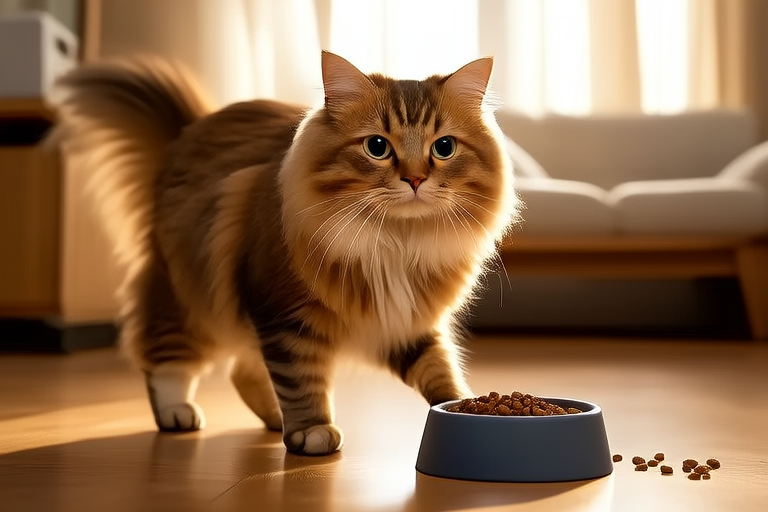
Living with an Abyssinian: Tips for First-Time Owners from Experts
Welcome to the world of Abyssinians! These cats have been captivating cat lovers for centuries with their striking appearance and unique personalities. If you’re a first-time owner, it’s important to understand that owning an Abyssinian is more than just having a pretty face around the house; it involves understanding their behavior, dietary needs, grooming requirements, common health issues, and providing them with a stimulating environment. This guide will provide you with expert advice to help you navigate the joys and challenges of living with an Abyssinian.
Understanding Abyssinian Behavior
Abyssinians are known for their high energy levels and playful nature. They are curious, intelligent, and love to explore. Dr. Emily Thompson, a feline behaviorist, explains, “Abyssinians are incredibly active cats that require plenty of mental and physical stimulation. They are known to be very interactive with their owners, often following them around the house, and they enjoy games that involve chasing and pouncing.”
One of the most delightful aspects of Abyssinians is their vocalization. “They are quite talkative,” notes Dr. Thompson. “While not as loud as Siamese cats, they will often chirp or make soft trilling sounds when they want attention or to communicate their feelings.”
Case Study: Sarah, a first-time Abyssinian owner, shares her experience. “My cat, Luna, follows me everywhere. She’s always underfoot, but I’ve learned that she just wants to be close to me. We play a lot with feather toys, and she loves chasing them around the room. It’s a great way to bond and keep her happy.”
Dietary Needs
Feeding your Abyssinian a balanced diet is crucial for their overall health and well-being. Abyssinians, like all cats, are obligate carnivores, which means their diet should primarily consist of animal-based proteins. Dr. Laura Green, a veterinary nutritionist, advises, “Choose high-quality cat food that lists meat as the primary ingredient. Look for options rich in taurine, an essential amino acid for cats, and avoid foods with fillers or excessive carbohydrates.”
It’s also important to monitor your Abyssinian’s weight. “Obesity can lead to serious health issues, including diabetes and arthritis,” warns Dr. Green. “Regular exercise and a proper diet are key to maintaining a healthy weight.”
Sarah’s tip: “I switched to a higher-protein diet after my vet suggested it. Luna has more energy now, and she’s lost some extra pounds.”
Grooming Requirements
Abyssinians have a short, ticked coat that requires regular grooming to keep it looking its best. Their coats have a unique texture, resembling a bottlebrush, and they shed moderately throughout the year. Dr. Jane Lee, a professional groomer, recommends, “Brush your Abyssinian at least once a week to remove loose hair and prevent matting. A soft-bristle brush works well, and a rubber grooming glove can help stimulate the skin and distribute natural oils.”
Bathing isn’t usually necessary unless your Abyssinian gets particularly dirty. “Cats are excellent self-groomers,” says Dr. Lee. “However, if your cat has sensitive skin or allergies, occasional baths may be beneficial. Always use a gentle, cat-specific shampoo.”
Case Study: Mark, another Abyssinian owner, recounts his experience. “I used to struggle with brushing my cat, but I found a trick that works. I started by gently petting him first to calm him down, then gradually introduced the brush. Now he enjoys it!”
Common Health Issues
Like any breed, Abyssinians are prone to certain health conditions. Regular check-ups with your veterinarian are essential to catch any potential issues early. Some common health concerns include dental disease, kidney problems, and a genetic disorder called pyruvate kinase deficiency (PKD).
Dr. Michael Brown, a specialist in feline internal medicine, emphasizes the importance of dental care. “Maintaining good oral hygiene is vital for your cat’s overall health. Brush your cat’s teeth regularly, and provide dental treats or toys to help reduce plaque buildup.”
Kidney problems are another concern. “Abyssinians are predisposed to chronic kidney disease, so monitoring water intake and urine output is important,” advises Dr. Brown. “If you notice changes in your cat’s drinking habits or litter box usage, consult your vet immediately.”
Sarah’s Tip: “I started giving my cat fresh water every day. It helps her stay hydrated and reduces the risk of kidney issues.”
Tips for Creating a Stimulating Environment
Abyssinians thrive in environments that offer mental and physical stimulation. Providing them with toys, scratching posts, and climbing structures can help keep them engaged and entertained. Dr. Thompson suggests, “Interactive toys that mimic prey, such as feather wands or laser pointers, are excellent for exercising your cat’s hunting instincts. Puzzle feeders can also challenge their minds while providing meals.”
Creating vertical spaces is another effective way to enrich your Abyssinian’s environment. “Cats naturally prefer elevated areas,” says Dr. Thompson. “Install cat trees, shelves, or window perches to give your cat access to high spots where they can observe their surroundings.”
Mark’s Tip: “I installed a tall cat tree in the corner of the living room. My Abyssinian spends hours up there, watching everything that goes on in the house.”
Addressing Challenges Specific to Abyssinians
Despite their many positive traits, Abyssinians can present some challenges for new owners. Their high energy levels can sometimes lead to destructive behavior if not properly channeled. “Redirecting their energy into appropriate activities is key,” advises Dr. Thompson. “Provide plenty of toys and interactive playtime to keep them occupied.”
Another challenge is their tendency to be vocal. “Some owners find their constant talking a bit overwhelming,” notes Dr. Thompson. “However, responding positively to their chirps and trills can help reinforce that communication is a two-way street.”
Sarah’s Tip: “I set aside specific times each day for play sessions. It helps tire her out and reduces her need to vocalize constantly.”
Conclusion
Owning an Abyssinian can be a rewarding experience, filled with companionship, playfulness, and endless entertainment. By understanding their behavior, meeting their dietary and grooming needs, being aware of common health issues, and providing a stimulating environment, you can ensure a long and happy life for your Abyssinian. Remember, every cat is unique, so take time to learn what makes your Abyssinian special and adjust your approach accordingly. With the right care and attention, you’ll both enjoy many years of companionship and joy.
