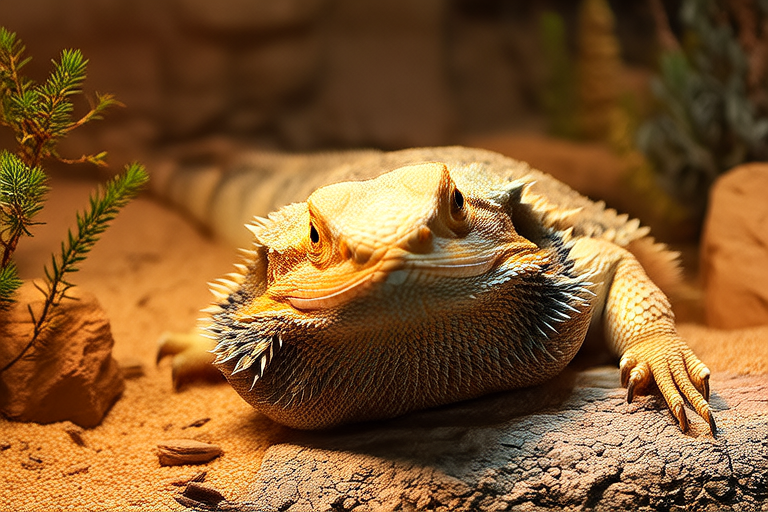
Creating the Ideal Habitat for Bearded Dragons
Bearded dragons are popular reptile pets known for their docile nature and ease of care. However, providing an ideal habitat is crucial for their health and happiness. This comprehensive guide will help you create a perfect environment that mimics their natural desert habitats, ensuring your bearded dragon thrives.
Appropriate Tank Size
The first step in creating the ideal habitat is choosing the right tank size. A 40-gallon breeder tank or larger is recommended for one adult bearded dragon. The length of the tank should be at least twice the length of the dragon, allowing ample space for movement and exercise. A larger tank also provides more surface area for basking and climbing.
Heating and Lighting Requirements
Proper heating and lighting are vital for bearded dragons. They require a temperature gradient within the enclosure, ranging from 75°F (24°C) on the cooler side to 100°F (38°C) on the warmer side. Use a high-quality thermostat to maintain these temperatures consistently. Place a basking spot under a heat lamp at one end of the tank, ensuring it reaches 95-110°F (35-43°C). A UVB light is essential for calcium absorption and overall health. Replace the bulb every six months to ensure effectiveness.
Substrate Options
Selecting the right substrate is crucial. Avoid sand, as it can cause impaction if ingested. Instead, opt for reptile carpet, paper towels, or tile. These materials are easy to clean and pose no risk of ingestion. If you prefer a more natural look, consider using a calcium sand or coconut fiber substrate, but monitor closely to prevent accidental ingestion.
Hiding Spots and Suitable Decorations
Bearded dragons need hiding spots to feel secure. Provide caves, cork bark, or commercially available reptile hide boxes. Position them on both the warm and cool sides of the tank. Adding branches, rocks, and other climbing structures encourages exercise and exploration. Ensure all items are securely anchored to prevent tipping or falling.
Humidity Levels and Ventilation
Bearded dragons thrive in low-humidity environments, typically between 30% and 40%. Excess moisture can lead to respiratory infections. Proper ventilation is essential for maintaining these conditions. Ensure the tank has adequate airflow without causing drafts. Consider using screen lids instead of glass tops to enhance air circulation.
Regular Cleaning Schedules
Maintaining a clean habitat is crucial for your bearded dragon’s health. Spot-clean daily by removing feces and uneaten food. Perform a deep clean weekly, including disinfecting the tank, replacing substrates, and cleaning accessories. Use a reptile-safe disinfectant and rinse thoroughly before returning items to the tank.
Selecting Safe Plants and Toys
Incorporating live plants can add aesthetic value and environmental enrichment. Choose non-toxic plants like hibiscus, pothos, or spider plants. Research thoroughly to ensure plant safety. When selecting toys, prioritize those made specifically for reptiles. Avoid anything with small parts that could be swallowed. Rotate toys periodically to keep your bearded dragon engaged and stimulated.
Mimicking Natural Environments
Mimicking natural environments is key to bearded dragon health and happiness. Their native Australian deserts offer vast open spaces, rocky outcrops, and sparse vegetation. By replicating these elements, you provide your pet with a stimulating and comfortable home. Regularly observe your bearded dragon’s behavior to ensure they are thriving in their habitat. Adjust lighting, temperature, and decorations as needed to meet their changing needs.
Specific Recommendations Based on Behavior and Needs
Bearded dragons exhibit various behaviors that indicate their comfort level. Basking indicates they’re enjoying the warmth, while digging suggests they’re seeking shelter. Offer a variety of climbing opportunities and hiding spots to cater to different preferences. Monitor feeding habits and adjust diet as necessary to maintain optimal health. Consult a veterinarian if you notice any unusual behavior or signs of illness.
Conclusion
Creating the ideal habitat for bearded dragons requires attention to detail and commitment to their well-being. By focusing on appropriate tank size, heating and lighting, substrate choices, hiding spots, and decorations, you can provide a healthy and enriching environment. Regular cleaning schedules, safe plant and toy selections, and mimicking natural environments further enhance their quality of life. With these guidelines, you’ll ensure your bearded dragon leads a long, happy, and healthy life.
