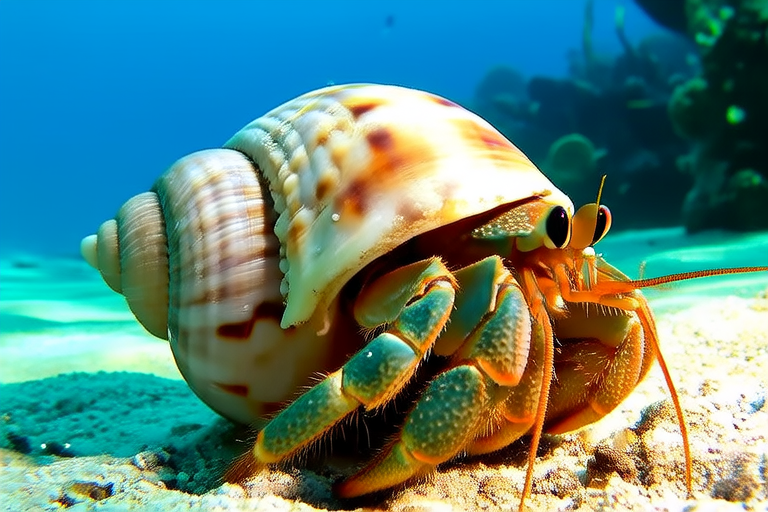
Shell Game: Unveiling the Mysteries of Hermit Crabs’ Favorite Shells
Hermit crabs, those fascinating little creatures, have captured the hearts of many with their peculiar lifestyle. Unlike other crustaceans, hermit crabs do not possess a hard exoskeleton that fully encases their soft bodies. Instead, they rely on second-hand shells for protection. This unique adaptation has led to a complex relationship between hermit crabs and the shells they inhabit.
The Biology Behind Their Need for Shells
Hermit crabs are born with a soft, vulnerable body that requires protection as they grow. Initially, they utilize the thin, flexible exoskeleton that they are born with, which hardens as they mature. However, this natural armor is not sufficient for their entire life cycle. As hermit crabs grow, they outgrow their current shells, necessitating the search for larger ones. This process, known as molting, occurs periodically throughout their lives.
Molting is a critical stage where hermit crabs shed their old exoskeleton and emerge softer and larger. During this time, they are particularly vulnerable to predators and environmental threats. Consequently, finding a new, fitting shell becomes paramount for their survival and continued growth.
Variety of Shells Preferred by Hermit Crabs
Hermit crabs exhibit a remarkable preference for specific types of shells, each offering different benefits. The most commonly sought-after shells belong to marine gastropods such as whelks, conchs, and periwinkles. These shells are prized for their robust structure and ample space, providing adequate protection and room for the crab to grow.
Among these, whelk shells are particularly favored due to their spiral shape and sturdy construction. They offer excellent protection against predators while allowing ample space for the crab to move freely. On the other hand, conch shells, with their large size and distinctive shape, are highly desirable but can be harder to find in nature. Periwinkle shells, though smaller, are abundant and provide a good balance between protection and mobility.
Not all shells are equally suitable for hermit crabs. The internal diameter of the shell must match the crab’s body size closely to ensure a snug fit. Additionally, the shell’s aperture (opening) must be wide enough for the crab to enter and exit easily. These factors contribute to the complexity of the shell selection process for hermit crabs.
The Shell Trade’s Impact on Hermit Crab Populations and Ecosystems
The demand for hermit crab shells extends beyond their natural habitats, fueling a thriving shell trade. This industry has significant implications for hermit crab populations and the ecosystems they inhabit. Overharvesting of shells from beaches and coastal areas can lead to a scarcity of suitable housing for hermit crabs, impacting their ability to survive and reproduce.
The removal of gastropod shells also disrupts the natural balance of marine ecosystems. Gastropods play vital roles in their environments, contributing to nutrient cycling and habitat creation. When their shells are harvested en masse, it can lead to ecological imbalances and reduced biodiversity.
Moreover, the shell trade raises ethical concerns regarding the treatment and welfare of hermit crabs. Many commercially available shells are sourced from wild-caught gastropods, potentially leading to overexploitation and habitat degradation. It is crucial for consumers to consider the origin and sustainability of the shells they purchase to minimize negative impacts on hermit crab populations and their ecosystems.
Tips for Hermit Crab Owners
For those who keep hermit crabs as pets, providing suitable shells is essential for their well-being. Ethical sourcing and care are paramount to ensuring a healthy and happy environment for your hermit crabs. Here are some tips to help you choose the right shells:
- Size and Fit: Ensure the shell’s internal diameter matches your hermit crab’s body size. A shell that is too small can restrict movement, while one that is too large may not provide adequate protection.
- Shape and Structure: Opt for shells with a sturdy structure and a wide aperture. This ensures easy access for the crab and provides better protection against predators.
- Ethical Sourcing: Choose shells from sustainable sources, such as those collected from beachcombing or purchased from reputable suppliers who prioritize ethical practices.
- Diversity: Offer a variety of shell sizes and shapes to cater to different hermit crabs within your tank. This promotes healthy competition and mimics their natural behavior.
By following these guidelines, you can create an enriching and safe environment for your hermit crabs, ensuring they thrive in captivity.
Conclusion
The intricate relationship between hermit crabs and their shells is a testament to the wonders of nature. From their unique biology to their complex shell preferences, hermit crabs have adapted to live in harmony with their surroundings. Understanding the importance of suitable shells for their protection and growth is key to appreciating these fascinating creatures.
As hermit crabs continue to captivate our imaginations, it is our responsibility to ensure their well-being both in the wild and in captivity. By supporting ethical practices and providing appropriate care, we can help preserve these remarkable animals and the ecosystems they inhabit.
