The Truth About Persian Cats: Glamour, Grooming, and Gentle Giants
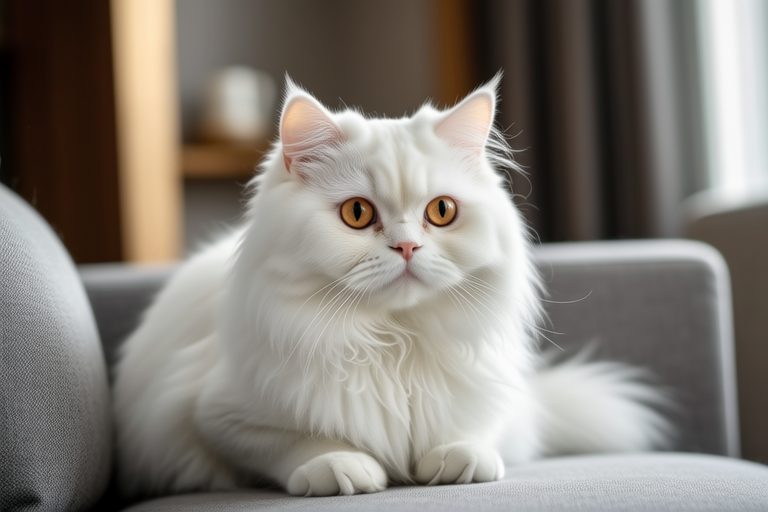
Imagine a cat with eyes like pools of liquid amber, a coat so plush it seems spun from moonlight, and a demeanor as serene as a quiet forest at dawn. This is the image that has captivated hearts for centuries—the Persian cat. With their regal bearing and timeless elegance, Persians have long been symbols of luxury in the feline world. Yet behind this glamorous exterior lies a truth many new owners discover too late: owning a Persian is not just about admiring beauty—it’s about embracing a deep commitment to care, patience, and love.
While they may look like royalty from a Victorian painting, Persians are far from aloof or indifferent. They are affectionate companions who thrive on gentle attention and consistent routines. But their stunning looks come with responsibilities—especially when it comes to grooming and health management. In this article, we’ll peel back the layers of myth and misconception to reveal the real story behind these gentle giants: what makes them so captivating, what it truly takes to care for them, and why so many people fall head over heels for them despite the effort.
The Glamour: A Legacy of Elegance and Expression
There’s no denying the visual impact of a Persian cat. Their appearance is nothing short of dramatic—a blend of soft curves, luxurious fur, and expressive features that seem designed to command attention. The hallmark of the breed is their long, thick coat, which flows like a waterfall of silk. This dense, double-layered fur requires careful maintenance but gives them an almost otherworldly presence, especially when bathed in golden sunlight.
But it’s not just the coat that defines the Persian. Their face is uniquely shaped—shortened, with a flat profile and a pushed-in nose, giving them a sweet, doll-like expression. This brachycephalic (flat-faced) structure contributes to their iconic look but also brings unique considerations for health and comfort. Their large, round eyes, often set wide apart, are one of their most striking features. Usually almond-shaped and deeply expressive, they can range in color from vivid blue to rich copper, adding to their mesmerizing appeal.
Historically, Persians trace their roots back to Persia (modern-day Iran), where they were revered by nobility. By the 17th century, they had made their way to Europe, becoming favorites among aristocrats and even appearing in royal portraits. The breed was officially recognized in the late 1800s, and since then, selective breeding has emphasized their distinctive features—though sometimes at the expense of natural function.
Today, the modern show-quality Persian is prized for its exaggerated traits: a compact body, a broad chest, and a coat so full it appears almost sculpted. While these features enhance their beauty, they also highlight a crucial point: the glamour of a Persian comes with trade-offs. Their facial structure, while beautiful, increases the risk of breathing difficulties and eye issues. Understanding this duality—beauty and biological compromise—is essential for anyone considering bringing a Persian into their home.
The Grooming: A Daily Ritual of Love and Dedication
Let’s be clear: owning a Persian cat is not a passive hobby. It demands time, consistency, and genuine devotion. Their luxurious coat is both a blessing and a burden. Without daily grooming, tangles and mats can form rapidly, leading to skin irritation, discomfort, and even infection. A single day without brushing can result in a tangled mess that takes hours to untangle.
Daily Brushing Is Non-Negotiable: Most experts recommend brushing your Persian at least once every day, preferably twice. Use a high-quality slicker brush to gently remove loose hair and prevent matting, followed by a wide-toothed comb to work through any stubborn knots. Start at the tail and move toward the head, always working in the direction of the fur. Be patient—Persians don’t enjoy being brushed if done too aggressively, so use gentle strokes and treat the session like a bonding ritual.
Eye Care: A Constant Responsibility: One of the most overlooked aspects of Persian care is their eyes. Due to their flattened faces, tear ducts often don’t drain properly, causing excessive tearing. This leads to staining around the eyes—brownish marks that can become permanent if left unattended. Daily cleaning with a damp cotton ball or a specialized eye wipe is essential. Gently wipe from the inner corner outward, using a fresh cotton ball for each eye. If you notice discharge, redness, or swelling, consult a veterinarian immediately—this could signal an infection or entropion (inward-turning eyelid).
Bathing: Not Just for Show: Despite their fluffy appearance, Persians don’t need to be bathed weekly. However, most owners bathe their cats every 4–6 weeks to keep the coat clean and reduce oil buildup. Use a cat-specific shampoo formulated for sensitive skin and lukewarm water. Avoid getting water in the ears or eyes. After bathing, dry thoroughly with a towel and a low-heat blow dryer—never let a wet Persian sit around, as damp fur invites mold and skin infections.
Other Grooming Challenges: Persians also require regular nail trimming (every 2–3 weeks), ear cleaning (check for wax buildup monthly), and dental care (brush teeth 2–3 times per week). Their short snouts make them prone to dental overcrowding and gum disease, so early prevention is key. Many owners find that professional grooming services help maintain consistency, especially during shedding seasons (spring and fall).
It’s worth noting that some Persians are bred with shorter coats—known as “Himalayans” or “Exotic Shorthairs”—which require less grooming. However, even these variants still need regular eye and ear care due to their facial structure.
The Gentle Giants: Affectionate Companions with Quiet Strength
Despite their regal appearance, Persians are anything but cold or distant. On the contrary, they are deeply affectionate, calm, and often described as “gentle giants” due to their large frame and mellow temperament. They thrive in quiet, stable environments and prefer routine over chaos. If you’re looking for a cat that enjoys lounging beside you on the couch or curling up in your lap during movie night, a Persian might be your perfect match.
Temperament and Social Needs: Persians are known for their quiet, dignified nature. They rarely meow excessively and are generally content with observing their surroundings rather than demanding constant attention. That said, they do form strong bonds with their humans and appreciate gentle interaction. They enjoy being petted, especially around the head and neck, and often follow their favorite person from room to room like a loyal shadow.
They adapt well to indoor living—indeed, they’re best suited for indoor homes. Their delicate respiratory systems make them vulnerable to outdoor hazards like traffic, predators, and extreme weather. Indoors, they can explore safe, enriched spaces with climbing structures, cozy beds, and interactive toys. Their calm nature means they’re unlikely to knock things over or engage in destructive behavior, making them excellent pets for apartments or homes with limited space.
Compatibility with Families and Other Pets: Persians are generally excellent with children and other pets when introduced properly. Their patient, easygoing nature allows them to tolerate the occasional loud noise or sudden movement—unlike more reactive breeds. However, young children should be taught how to handle the cat gently, avoiding pulling ears or tails. When introducing a Persian to other animals, allow time for gradual acclimation. Most Persians get along well with dogs and other cats, especially if raised together.
Health Considerations: Beyond the Beauty: As mentioned earlier, the very features that make Persians so beautiful also contribute to potential health issues. Brachycephalic syndrome—a group of respiratory problems caused by shortened nasal passages and compressed airways—is common in flat-faced breeds. Symptoms include noisy breathing, snoring, exercise intolerance, and difficulty regulating body temperature. Severe cases may require surgery to improve airflow.
Additionally, their facial structure increases the risk of corneal ulcers, dry eye, and tear duct obstruction. Regular vet checkups—ideally twice a year—are crucial to monitor these conditions. Genetic screening is recommended for breeders, and prospective owners should ask about a kitten’s lineage and health history.
Other concerns include polycystic kidney disease (PKD), a hereditary condition that affects many purebred cats, including Persians. Responsible breeders test for PKD before breeding, and owners should consider genetic testing if adopting from a breeder. Obesity is another risk due to their sedentary lifestyle; providing a balanced diet and encouraging playtime helps maintain a healthy weight.
Practical Tips for Prospective Owners
If you’re drawn to the charm of a Persian cat, here are some practical steps to prepare:
- Set Aside Time: Commit to at least 15–30 minutes daily for grooming. Treat it as part of your bond-building routine.
- Prepare Your Home: Create a quiet, warm, and secure indoor environment. Include scratching posts, elevated perches, and hiding spots.
- Choose a Reputable Source: Adopt from a breeder who prioritizes health over exaggerated features. Ask for health certifications and genetic testing results.
- Invest in Supplies: Stock up on a good slicker brush, comb, eye wipes, cat-safe shampoo, and dental tools. A travel carrier and litter box with low sides are also helpful.
- Build a Vet Relationship: Find a veterinarian experienced in treating brachycephalic breeds. Early intervention can prevent serious complications.
Addressing Misconceptions
One of the biggest myths about Persians is that they are aloof or high-maintenance to the point of being impractical. While they do require significant grooming, they are far from emotionally distant. In fact, many Persians are incredibly clingy and form deep attachments. Another misconception is that all Persians are sickly due to their facial structure. While they are predisposed to certain conditions, many live long, healthy lives with proper care and responsible breeding.
Some believe Persians aren’t suitable for families with kids or other pets. This isn’t true—when socialized early and treated with respect, they make wonderful family companions. And yes, they may not be the most active or playful cats, but their quiet presence brings a sense of peace and comfort that many find invaluable.
A Balanced Perspective: Why They Remain Beloved
The enduring popularity of Persian cats is no accident. There’s something profoundly soothing about their stillness, their soft gaze, and their gentle loyalty. They don’t demand constant entertainment—they simply want to be near you, wrapped in warmth and love. For those willing to invest time and care, the rewards are immeasurable: a lifelong companion whose quiet devotion becomes a source of daily joy.
Yes, Persians are high-maintenance—not because they’re difficult, but because they are cherished. Their beauty is not just skin-deep; it’s reflected in the depth of connection they foster with their humans. They teach us patience, responsibility, and the quiet art of loving someone who asks for little but gives everything in return.
So, is a Persian right for you? If you value tranquility, appreciate elegance, and are ready to meet their needs with compassion and consistency, then yes—this gentle giant might just be the perfect addition to your life. Just remember: the most beautiful thing about a Persian isn’t their coat or their eyes. It’s the love they offer—and the trust they place in you to care for them.
In a world that moves fast, the Persian cat reminds us that true beauty lies in stillness, in dedication, and in the quiet moments shared between two souls—one furry, one human—that choose to stay.
