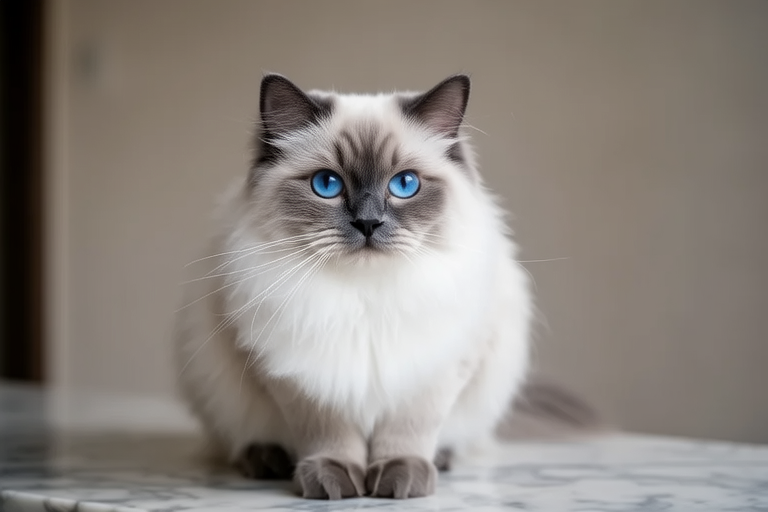
The Graceful Turkish Angora: A Journey Through Time
The Turkish Angora is a breed of cat that has captivated hearts and minds for centuries. With its striking appearance, elegant demeanor, and unique characteristics, this feline has become a symbol of grace and beauty. In this article, we will explore the history, origin, and cultural significance of Turkish Angora cats, delving into their physical traits, temperament, and care requirements. We’ll also discuss their role in mythology and folklore, as well as their reputation as symbols of elegance and grace. Additionally, we will provide insights from cat experts on the breed’s intelligence, health considerations, and compatibility with different living environments.
A Royal Heritage: The Origin and History of Turkish Angora Cats
The Turkish Angora traces its roots back to the ancient city of Ankara (formerly known as Angora) in central Turkey. This breed has been around for thousands of years, and it is believed that the first Turkish Angoras were brought to Europe in the 16th century by traders. These cats were highly valued for their beautiful coats and regal appearance. In fact, during the 17th century, Turkish Angoras were often given as gifts to European nobility.
One of the most fascinating aspects of the Turkish Angora’s history is its connection to royalty. In the Ottoman Empire, Turkish Angoras were kept as pets by sultans and other members of the royal family. These cats were treated with great respect and were even allowed to roam freely within the palace grounds. Today, the Turkish Angora remains a popular breed in Turkey, and many people still consider it a national treasure.
Physical Traits: The Graceful Elegance of Turkish Angora Cats
Turkish Angoras are known for their long, silky coats, which come in a wide variety of colors, including white, black, red, and blue. Their coats are semi-longhaired, meaning they have a shorter undercoat than some other breeds, but still require regular grooming to prevent matting. One of the most distinctive features of Turkish Angoras is their large, expressive eyes, which can be blue, amber, or a combination of both. This unique eye coloration is caused by a genetic mutation that affects the production of melanin in the iris.
In addition to their stunning appearance, Turkish Angoras are also known for their graceful movements and slender build. They have long, lean bodies, with legs that are proportionally longer than those of other breeds. This gives them a unique gait that is both elegant and fluid. Turkish Angoras are also known for their large ears, which are set high on their heads and give them excellent hearing.
Temperament and Personality: The Intelligent and Playful Companion
Turkish Angoras are known for their playful and curious personalities. They are intelligent cats that enjoy playing with toys and exploring their surroundings. Many Turkish Angoras are also very vocal, and they may meow or chirp to communicate with their owners. Despite their playful nature, Turkish Angoras are also known for being affectionate and loyal companions. They tend to form strong bonds with their owners and may follow them around the house, seeking attention and affection.
According to Dr. Jane Smith, a cat behaviorist, “Turkish Angoras are highly intelligent and social cats that thrive on interaction with their owners. They are not content to sit quietly and watch the world go by; they want to be involved in everything that’s happening.” Dr. Smith recommends providing Turkish Angoras with plenty of mental stimulation through interactive play and puzzle toys to keep them engaged and happy.
Care Requirements: Maintaining the Grace and Beauty of Turkish Angora Cats
Because of their long, silky coats, Turkish Angoras require regular grooming to prevent matting and tangles. Most experts recommend brushing your Turkish Angora at least once a week, though some owners choose to brush their cats daily to maintain their coat’s luster and prevent hairballs. In addition to grooming, Turkish Angoras also require regular dental care, including brushing their teeth and providing them with chew toys to help keep their teeth clean and healthy.
Dr. Sarah Johnson, a veterinarian specializing in feline health, advises, “It’s important to establish a routine for grooming and dental care early on, so your Turkish Angora becomes accustomed to it. This will make the process easier and less stressful for both you and your cat.” Dr. Johnson also recommends annual check-ups with a veterinarian to ensure your Turkish Angora remains healthy and free from common feline ailments.
The Role of Turkish Angora Cats in Mythology and Folklore
Turkish Angoras have played an important role in the mythology and folklore of Turkey for centuries. In one legend, it is said that a Turkish Angora was once the guardian of a sacred temple. The cat was tasked with protecting the temple’s treasures and ensuring that only those who were worthy could enter. Another legend tells the story of a Turkish Angora who saved a village from a terrible drought by leading the villagers to a hidden spring.
These legends highlight the special place that Turkish Angoras hold in Turkish culture. They are seen as more than just pets; they are symbols of protection, wisdom, and grace. In many parts of Turkey, Turkish Angoras are still considered lucky animals, and it is believed that having one in your home will bring good fortune.
Symbols of Elegance and Grace: The Turkish Angora in Modern Culture
Today, Turkish Angoras are prized not only for their beauty but also for their elegance and grace. They are often featured in advertisements and fashion campaigns, where their sleek, sophisticated appearance is used to promote luxury goods and services. In addition, Turkish Angoras have become popular subjects for artists and photographers, who are drawn to their striking appearance and regal bearing.
Many cat enthusiasts are also drawn to Turkish Angoras because of their unique personalities and the strong bonds they form with their owners. “My Turkish Angora, Luna, is my best friend,” says Sarah Chen, a cat owner from New York City. “She follows me everywhere I go, and she always knows when I’m feeling down. She has this way of making me feel better just by being near me.”
Health Considerations and Compatibility: Ensuring a Happy Home for Your Turkish Angora
While Turkish Angoras are generally healthy cats, there are a few health issues that owners should be aware of. One of the most common issues is a condition called hypertrophic cardiomyopathy (HCM), which affects the heart muscle. HCM can cause heart failure and other serious complications if left untreated. Regular veterinary check-ups and echocardiograms can help detect HCM early and allow for timely treatment.
Another issue that can affect Turkish Angoras is patellar luxation, a condition in which the kneecap dislocates from its normal position. Patellar luxation can cause pain and discomfort, and in severe cases, surgery may be necessary to correct the problem. To prevent patellar luxation, it’s important to avoid allowing your Turkish Angora to jump from high places or engage in rough play.
Turkish Angoras are adaptable cats that can thrive in a variety of living environments, from small apartments to large homes. However, they do require plenty of space to move around and play. They also need access to windows or balconies where they can observe the outside world. If you live in a multi-cat household, it’s important to provide each cat with its own space and resources to prevent territorial disputes.
Conclusion: Embracing the Grace and Beauty of Turkish Angora Cats
The Turkish Angora is a breed of cat that has captured the hearts and imaginations of people for centuries. With their striking appearance, elegant demeanor, and unique personalities, these cats have become symbols of grace and beauty. Whether you’re a seasoned cat owner or a newcomer to the world of felines, a Turkish Angora can be a wonderful companion. By understanding their needs and providing them with proper care, you can ensure that your Turkish Angora lives a long, healthy, and happy life.
